- This post contains affiliate links. Read more here.
- Not a substitute for professional veterinary help.
Hydration plays a key role in a lot of bodily functions, so it’s crucial that your dog drinks enough water. But exactly how much water a dog should drink each day varies according to factors like age, body weight, and activity level.
As a general rule, dogs should drink about one ounce of water per pound of body weight daily. Most dogs drink when they’re thirsty, so it’s best to provide unlimited access to clean water. You may even want to monitor how much water your dog drinks, as under- or overconsumption of water could indicate a developing health problem.

We spoke to Dr. Jamie Richardson, the Head of Veterinary Medicine at Small Door Vet, to get an expert’s advice on ensuring adequate hydration. We’ll review how much water your dog needs, how often they should be drinking, and what to do if their intake changes.
Daily Water Requirements by Weight
“Drinking small amounts of water throughout the day helps dogs stay consistently hydrated, which supports healthy organ function and body temperature regulation,” Dr. Richardson explains.
The first step to making sure your dog stays hydrated is figuring out a baseline of how much water they should be drinking. Then you’ll be better equipped to notice and react to unusual fluctuations in water intake.
Here’s a handy chart to show how much water a dog should drink each day based on their body weight:
| Body Weight (lbs) | Ounces Per Day | Cups Per Day |
| 10 | 10 | 1.25 |
| 20 | 20 | 2.5 |
| 30 | 30 | 3.75 |
| 40 | 40 | 5 |
| 50 | 50 | 6.25 |
| 60 | 60 | 7.5 |
| 70 | 70 | 8.75 |
| 80 | 80 | 10 |
| 90 | 90 | 11.25 |
| 100 | 100 | 12.5 |
| 110 | 110 | 13.75 |
| 120 | 120 | 15 |
| 130 | 130 | 16.25 |
| 140 | 140 | 17.5 |
| 150 | 150 | 18.75 |
For example, it would be reasonable to expect a Miniature Dachshund to drink about a cup and a half of water per day. A large breed like a Golden Retriever is likely to need 7 or 8 cups of water per day, and giant breeds like Great Danes and Mastiffs could need a gallon or more.
Reasons a dog might drink more
Dr. Richardson says it’s normal for a dog’s water intake to vary a little from day to day. For example, your dog might drink a little more water than usual due to normal factors like:
- Strenuous exercise
- Hot weather
- High humidity
- Low-moisture diet (dry food or kibble)
- Medication side effects
Reasons a dog might drink less
There are also some normal reasons a dog might naturally drink a little less water than usual or consume smaller volumes at a time:
- Switching to a high-moisture diet (wet food)
- More consistent access to fresh water
- Effective treatment of underlying health issues
- Reduction in exercise intensity or duration
- Healthy development from puppy to adulthood (puppies may drink more than adult dogs pound for pound)
-

iStock/Chalabala
How To Measure Water Consumption
If you’re concerned about your dog’s hydration or simply want to get a feel for their average water intake, there are several monitoring methods you can try.
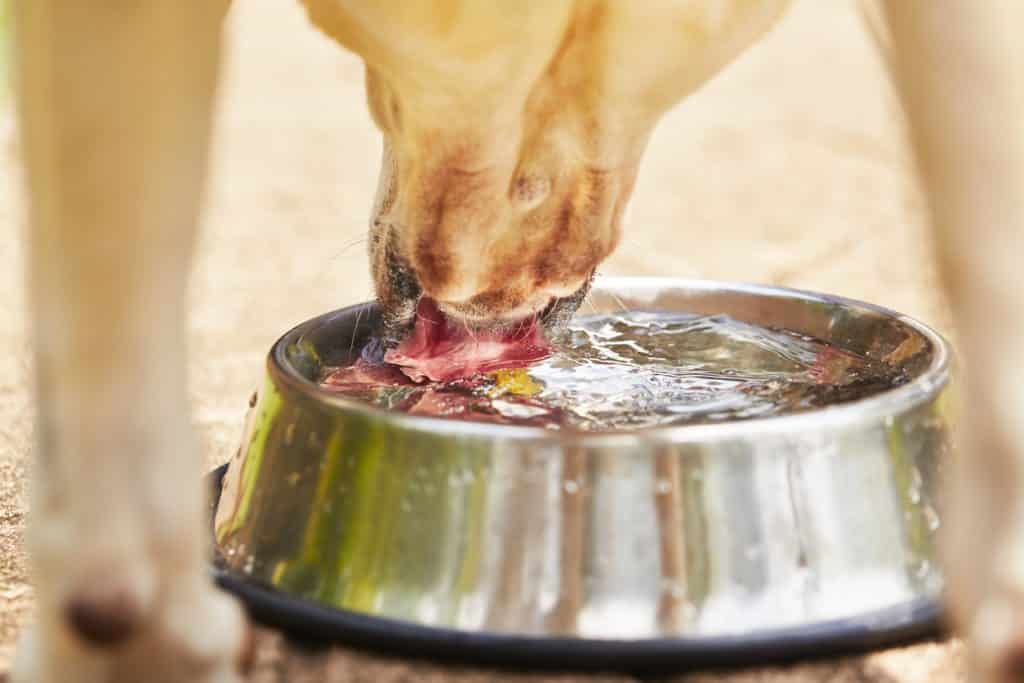
The simplest method is to fill the water bowl with a measured amount each morning and note how much is left at night.
If you want to track your dog’s water intake throughout the day, you can mark the inside of the bowl at measured increments. This method works for dog fountains and gravity-fed automatic waterers too. You can draw lines on the outside of the reservoir with a permanent marker and track your dog’s intake as the water level decreases throughout the day.
If you’re looking for a high-tech option, there are smart bowls available that enable you to check the weight of the contents at a glance. These bowls work best for solid food, but some models have adjustable settings to accommodate liquids.
What if you have multiple dogs?
If you have multiple dogs in your household, monitoring how much water any individual dog drinks each day can be tricky. “In households with pets that share bowls,” says Dr. Richardson, “a sudden change in one dog’s intake may go unnoticed unless you’re actively observing.” She recommends using separate bowls for each dog or offering water in shifts so you can track individual intake.
How often to change and wash the water bowl
Keeping your dog’s water bowl clean is crucial. Not only does it ensure they always have fresh water to drink, but it reduces their risk of exposure to potentially harmful bacteria and other pathogens. Wash your dog’s water bowl and refill it with clean water at least once a day.
What If My Dog Isn’t Drinking the Right Amount?
Though minor changes in water intake are natural, Dr. Richardson cautions that drastic fluctuations could be cause for concern.
Too much
“A dog that gulps a large volume [of water] is often trying to make up for earlier dehydration,” Dr. Richardson explains—for example, if they’re recovering after a bout of fever, vomiting, or diarrhea.
A sudden increase in the average amount of water your dog is drinking each day could indicate a number of underlying health problems, including:
- Liver disease
- Kidney disease
- Urinary health problems
- Diabetes mellitus
- Cushing’s disease
- Addison’s disease
If your dog suddenly starts drinking more water than usual, it’s a good idea to consult your vet—especially if they’re displaying other symptoms like lethargy, excessive panting, dry gums, or changes in behavior or appetite.
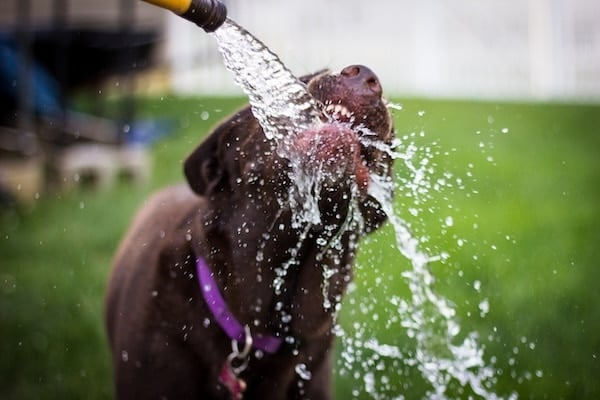
Sudden extreme water consumption can also cause problems in its own right. A dog who drinks a huge quantity of water quickly is at risk of water intoxication, a dangerous condition that requires an immediate trip to the emergency vet.
-

EyeEm Mobile GmbH via iStock
Too little
According to Dr. Richardson, “Decreased thirst is not normally a concern as long as your dog is eating normally and not showing any signs of illness.” However, suddenly drinking significantly less than usual or routinely drinking below the expected amount could indicate an underlying health problem, such as:
- Kidney disease
- Diabetes mellitus
- Inflammatory bowel disease (IBD)
- Bladder infection
- Urinary tract infection (UTI)
- Dental disease
- Certain cancers
- Hormonal imbalances
If your dog starts drinking too little, check for signs of dehydration and consider taking your pup to the emergency vet. If your dog is regularly drinking less than their healthy baseline, an appointment with your regular vet for a checkup is a good idea.
Tips To Ensure Adequate Hydration
You can lead a dog to water, but it’s not always easy to make sure they drink. Here are some tips to help you make sure your dog is getting the right amount.
Increase the moisture content of your dog’s diet
Drinking water isn’t the only thing that keeps your dog hydrated. Dr. Richardson recommends incorporating moisture into a dog’s diet via wet dog food or hydrating meal toppers and mixers. Even adding a little bone broth to your dog’s kibble can help.
Refill the bowl consistently to monitor intake
To make monitoring your dog’s water intake easier, get into the habit of cleaning and refilling the bowl around the same time each day. If you do it in the morning, your dog will have fresh water all day long. It also makes it easy to check their daily intake when you both head to bed.
Start using a dog fountain or automatic waterer
If your dog has little interest in drinking from a bowl, it may help to switch to a dog fountain or automatic waterer. These options help keep the water fresh and clean, making it more palatable for your pup.
Carry a dog water bottle on walks
Even if you’re just going for a short walk, your dog might get thirsty—especially on hot days. Carrying a dog water bottle or travel bowl with you ensures you can give your dog a drink when they need it. Stop for a water break every 15 to 20 minutes.
Offer more than one water bowl
Placing multiple water bowls throughout the house ensures your dog never has to go far to get a drink. Keep in mind that this strategy might make it tricky to track their intake—but if promoting hydration is your priority, this could be the way to go.
Should a dog always have access to water?
“Dogs should always have access to water during the day,” says Dr. Richardson, “even when potty training.” Instead of restricting your dog’s access to water, she recommends focusing on a consistent potty training schedule.
It’s safe to remove water an hour before bedtime for dogs of any age to reduce the risk of overnight accidents, but make sure your pup has a fresh bowl waiting for them in the morning. Your dog doesn’t necessarily even need cold water, but it’s best to place the bowl out of direct sunlight so it stays fairly cool.