My friend Catie grew up with a sheltie named Misty who she calls “the best dog in the world.” Misty was a bright, active dog, but when she was 14, she started slowing down. Catie’s family assumed this was normal for a dog Misty’s age. But then, Misty started having accidents in the house, peeing in places she had never peed before.
An initial visit to the vet led to the diagnosis of a thyroid condition, but after Misty started sneezing non-stop, they took a second look. Finally, they got an accurate diagnosis: Cushing’s disease.

What Is Cushing’s Disease?
Most of us don’t hear the phrase “Cushing’s disease” until it impacts our lives directly, but it’s actually one of the most common endocrine disorders in dogs, particularly seniors.
The canine endocrine system, just like the human one, consists of the glands that make and distribute hormones throughout the body. When the system is working well, a dog’s hormones are in balance. However, as explained by the Animal Endocrine Clinic, “Endocrine diseases stem from imbalances in hormone levels.” In other words, if something is “off” with one or more of your dog’s glands, it can impact all the others, and they can get sick fast.
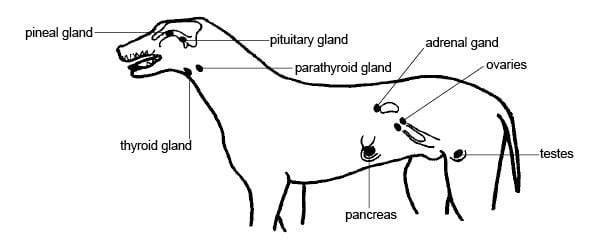
Canine endocrine system via wikimedia
Cushing’s disease, or hyperadrenocorticism, starts in either the pituitary or adrenal gland, and is caused by an excess of the hormone cortisol. Cortisol, also known as the “fight or flight” hormone, helps dogs regulate stress. It also helps to balance:
- Blood sugar levels
- Fat metabolism
- Kidney function
- Blood pressure
- Immune response
Cushing’s disease leads to an overflow of cortisol, throwing those delicate balances out of whack.
Causes of Cushing’s Disease
There are actually three major causes of Cushing’s disease in dogs:

- A tumor in the pituitary gland (85-95% of cases, according to VCA Hospitals). The pituitary gland sits at the base of the brain and produces a hormone called ACTH that impacts the adrenal gland’s cortisol production. A tumor can cause the pituitary gland to make too much ACTH, resulting in too much cortisol.
- A tumor in the adrenal glands (10-15% of cases) causes the adrenal glands themselves to overproduce cortisol.
- Long-term use of certain drugs and hormones used to treat immune disorders and inflammation can also cause Cushing’s syndrome or Cushing’s-like symptoms.
Older dogs are more likely to develop tumors than younger dogs, which explains why dogs age 6 and up are the most susceptible to Cushing’s disease.
Symptoms of Cushing’s Disease
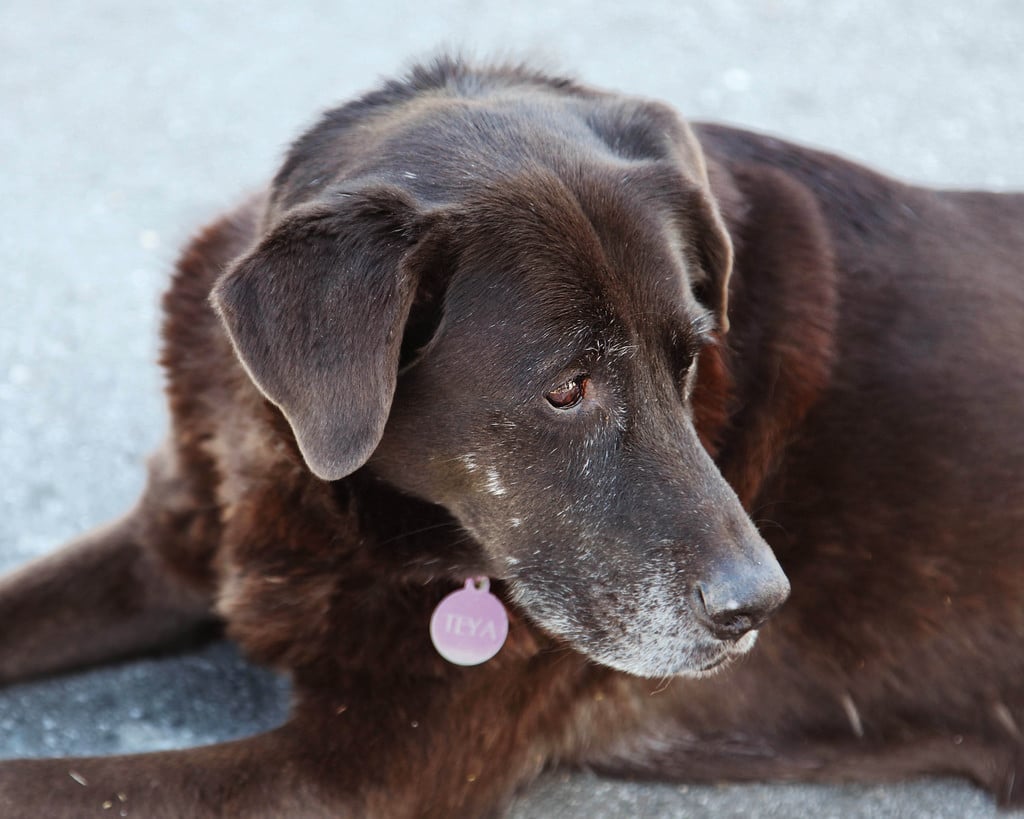
Cushing’s disease is most common in older dogs (picture via flickr/jitze1942)
Cushing’s can be tough to diagnose because its symptoms are similar to other ailments of older dogs, and other endocrine disorders, but there are some signs to watch out for.
The most common symptoms of Cushing’s disease in dogs are:
- Hair loss
- A pot-bellied appearance
- Increased appetite
- Increased thirst and urination
Additional, less-common symptoms can include weakness, panting, and an abnormal or stiff way of walking (source). If your dog starts drinking a lot of water, having accidents in the house, and any other mysterious physical ailments, it’s time for a vet visit!
Treatment and Prognosis
Treatment for Cushing’s disease in dogs depends on the type of the illness, but it’s usually a combination of:
- Surgery to remove a tumor
- Medication to help regulate hormone production
- Ongoing observation, testing, and follow-up appointments for the duration of the dog’s life
The good news is, when caught early enough, pituitary Cushing’s—the most common type—has an excellent prognosis. It’s primarily treated with medication, and according to VCA Hospitals, “if the activity of the adrenal gland can be controlled, many dogs with [the pituitary-based] form of Cushing’s disease can live normal lives for many years as long as they take their medication and stay under close medical supervision.”
Unfortunately, dogs with adrenal tumors face a more serious prognosis, as surgery is almost always necessary, and it’s more likely that the growth will impact other organs. In addition, about 15% of dogs with pituitary tumors can develop more serious symptoms and prognoses as the tumor grows. That’s sadly what happened to Misty; her sneezing was the first symptom of the growth spreading to her brain. After a short period of treatment, Catie’s family made the difficult, loving decision to end her pain.
Can Cushing’s Be Prevented?

via flickr/usagrc
Like a lot of dogs who develop Cushing’s disease, Misty lived a very long, happy life, and there’s nothing her family could have done to prevent her from developing the tumor that cause her Cushing’s.
There’s no surefire way to prevent Cushing’s disease, but that doesn’t mean you need to be afraid of it. Catching the signs of Cushing’s early on can be a lifesaver, so keep an eye on your older dog, and if you notice any of the common symptoms described above, ask your vet to test for endocrine and adrenal disorders.
In addition, preventative veterinary care is the best way to keep your dog in tip-top shape. Don’t skip those annual exams. As your dog enters her senior years, a wellness check is recommended every six months. No matter how old your dog is, the best thing you can do is ensure they have a good diet, plenty of exercise, and lots of love.
If you or a loved one has a dog diagnosed with Cushing’s disease, there are resources and forums online where you can find additional information and support. Visit k9cushings.com for helpful links, and best of all, conversations and support between pet guardians dealing with Cushing’s.
Diseases like Cushing’s can be scary when you don’t know much about them, but armed with the facts, you can help your dog have a long and love-filled life.