- Not a substitute for professional veterinary help.
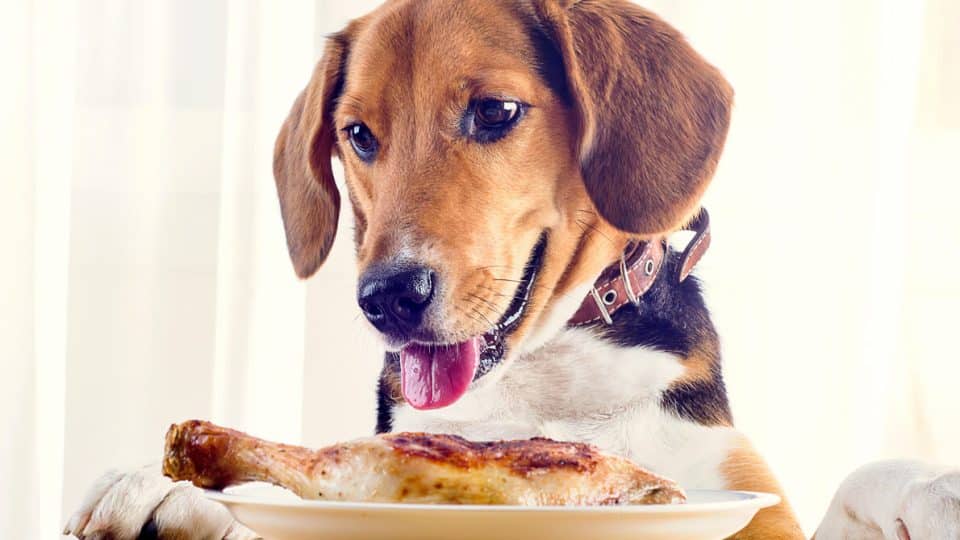
Turkey is a popular lean protein that many people enjoy, especially during the winter holiday season. It’s also one you can share with your dog! According to vets, dogs can eat turkey as long as you serve it in moderation, without any added ingredients, as part of a well-balanced diet.

Plain, cooked turkey can be a healthy treat for dogs, says Dr. Sarah Cortright, veterinarian and medical director at Underdog Community Project. The key is to remove bones and skin first for safety.
Read on to learn the benefits of turkey, the recommended serving size, and how to safely give your dog turkey.
Health Benefits of Turkey for Dogs
Turkey is a common ingredient in many commercial dog foods.
Turkey has less fat than beef or lamb and provides dogs with several essential nutrients, including amino acids, protein, B vitamins, and minerals like zinc and selenium. These help keep your dog’s muscles strong, provide energy, and support a healthy immune system.
Plain cooked turkey with no bones or skin can also make a healthy snack or meal topper for dogs. However, Dr. Cortright says the best way for dogs to get these benefits is from commercial dog foods labeled “complete and balanced” by AAFCO standards. These diets are carefully formulated to provide the right balance of protein, fats, carbohydrates, vitamins, and minerals.
How Much Turkey Can My Dog Eat?
Dr. Cortright recommends giving turkey only as a snack in addition to your dog’s regular meals.
Fresh turkey—in other words, turkey that’s not part of your dog’s kibble—should only make up 10%-15% of your dog’s total daily calories.
The following chart shares Dr. Cortright’s recommended serving size for plain, cooked, skinless turkey.
When adding a meal topper, you can slightly reduce the amount of food you give your dog at that meal to avoid overfeeding. But it’s best to do this only as an occasional treat.
| Dog size | Treat portion
|
Meal topper portion
|
| Small (under 20 lb) | 1–2 small strips or dehydrated pieces | 1–2 oz (about 2–3 tbsp) |
| Medium (20–50 lb) | 2–3 small strips | 2–3 oz (about ¼–⅓ cup) |
| Large (50+ lb) | 3–4 small strips | 3–4 oz (about ½ cup) |
Which Turkey Parts Are Safe for Dogs To Eat?
Boiled, baked, or roasted turkey is safest for dogs when it’s fully cooked and plain without added oils, butter, or seasonings, explains Dr. Nita Vasudevan, a veterinarian at Embrace Pet Insurance.
Jerky can also be safe, but only if it’s made specifically for dogs and doesn’t contain any added salt, garlic, or onion powder. It’s best to avoid store-bought turkey meant for people. These turkey products usually contain a lot of sodium and have seasonings that aren’t safe for dogs.

Safe parts of a turkey
Dogs can eat both white and dark turkey meat as long as you cook the meat first and don’t season it, Dr. Vasudevan explains.
Leaner white meat makes a better choice for dogs prone to obesity or pancreatitis. That said, most dogs can eat a small amount of dark meat, even though it has slightly more fat.
Unsafe parts of a turkey
According to Dr. Vasudevan, you should avoid feeding certain parts of turkey to dogs, including:
- Bones: Cooked bones in particular can splinter and cause choking or internal injury.
- Skin and fatty trimmings: These parts of turkey contain more fat and could lead to pancreatitis.
- Seasoned or stuffed meat: Seasoned meat may contain onions, garlic, butter, and salt, all of which can be harmful to dogs.
- Raw pieces: Raw turkey can pose a risk of bacterial infection.
- Turkey lunch meat: While not immediately dangerous, lunch meat is usually high in sodium and preservatives that aren’t good for dogs.
Safety Precautions for Feeding Dogs Turkey
Dr. Vasudevan shares a few important things to keep in mind when giving your dog turkey:
- Remove bones from the turkey and dispose of them right away. Avoid giving dogs raw or cooked bones.
- Always cook turkey thoroughly to reduce the risk of harmful bacteria.
- Trim skin and fat from turkey before giving it to your dog.
- Stick to plain meat only and avoid giving dogs turkey prepared with seasoning and spices, stuffing, or gravy.
Monitoring for health concerns
Some dogs may not tolerate turkey well, even when you prepare it carefully.
Dr. Vasudevan recommends paying attention to any signs of gastrointestinal upset the first few hours after giving your dog turkey. These signs might include:
More serious problems, including pancreatitis, bone obstructions, and toxin exposure, can also develop if your dog eats the wrong parts of turkey. These issues may take a few days to show up, and symptoms can include lethargy, pale gums, or changes in urination or stool.
If you notice any unusual changes in your dog’s behavior or concerning health symptoms, contact your vet right away. For dogs with conditions like pancreatitis or food sensitivities, you may want to avoid giving them turkey altogether.
Other Thanksgiving Foods for Dogs
Dogs can eat a few other Thanksgiving and seasonal foods besides turkey.
For example, dogs can safely eat pumpkin and green beans, as long as you serve these foods plain, without added sugar, butter, or spices. A small amount of plain bread is generally fine, too, but it doesn’t offer much nutritional value.
Take care to avoid pecans. Dogs have a hard time digesting pecans, and a large amount of pecans can also cause health problems for dogs.
Instead of giving your dog table scraps or a plate of seasoned food, set aside a few pieces of safe foods like plain turkey, pumpkin, or green beans. And of course, make sure to keep the portions small—no more than 10% of their daily calorie intake.