- Not a substitute for professional veterinary help.
Do you have a Border Collie that likes to keep everyone together or a Beagle that loves to sniff around? Different breeds have their own instinctual behaviors. And while each dog is unique, chances are that your pup positively responds to activities that tap into their breed’s instincts.
“Dogs were originally bred for very specific jobs. Even though most dogs today are family pets, those genetic instincts are still very much a part of them,” says certified professional dog trainer (CPDT-KA) Nicole Ellis.

Meeting these instinctual needs is important for both enrichment and behavior, Ellis explains. When pet parents give their pups breed-specific activities, these dogs are often more confident, fulfilled, and emotionally stable. By contrast, dogs who have to find outlets on their own may resort to barking, digging, chasing, destructive behavior, hyperactivity, or frustration.
Read on for a list of activities to meet your dog’s breed-specific needs, from beginner-friendly games to more advanced activities.
Not sure where to start? A professional trainer can help you better understand breed-specific needs. Find a dog trainer near you for a comprehensive training plan, from enrichment activities to foundational skills.
Activities for Working Breeds
Working breeds were bred to work closely with people to perform specific tasks, like protecting livestock and engaging in military service. They include breeds such as German Shepherds, Belgian Malinois, Rottweilers, and Doberman Pinschers. These dogs are incredibly smart and do well with mentally stimulating activities that challenge them to work in tandem with their handlers.
Beginner
- Hide-and-seek games around the house or in the yard
- Obedience training
- Tug games with clear rules around when to bite and drop
- Hiking and running
- Learning object names and retrieval tasks
Next level
- Search and rescue
- Nose work and detection sports
- Tracking
- Schutzhund: a dog sport with three phases—tracking, obedience, and protection
- Rally: dog and handler teams complete a course of different obedience skills
- Canicross: cross-country running where a dog pulls to increase the person’s speed
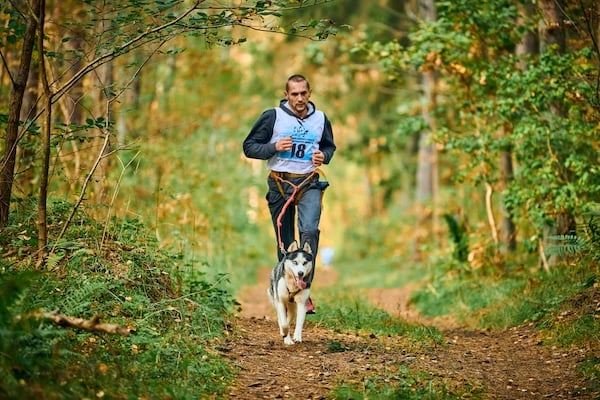
TRAVELARIUM via iStock
Activities for Herding Breeds
Herding breeds, like Australian Cattle Dogs and Border Collies, were developed to move livestock. As such, they’re strong-willed and athletic breeds with high stamina, sharp intelligence, and keen eyesight. Because of their independent nature and agility, they enjoy fast-moving activities and problem-solving.
Beginner
- Training with complex behavior chains (where the cues flow into a sequence, as with agility training)
- Herding-style games using large exercise balls
- Shaping games and clicker training (rewarding incremental steps until the goal is reached)
- Toy cleanup tasks (“put your toys away”)
- Pattern games and impulse-control exercises
- Frisbee and catch
- At-home obstacle or agility courses
Next level
- Sheepdog and herding trials
- Agility training and competitions
- Treibball: dogs drive oversized balls into a goal within a set timeframe
- Disc Dog: dogs compete to catch the flying discs thrown by their handlers
- Flyball: a dog relay race, which includes hurdles and releasing a ball
- Canine freestyle/dog dancing
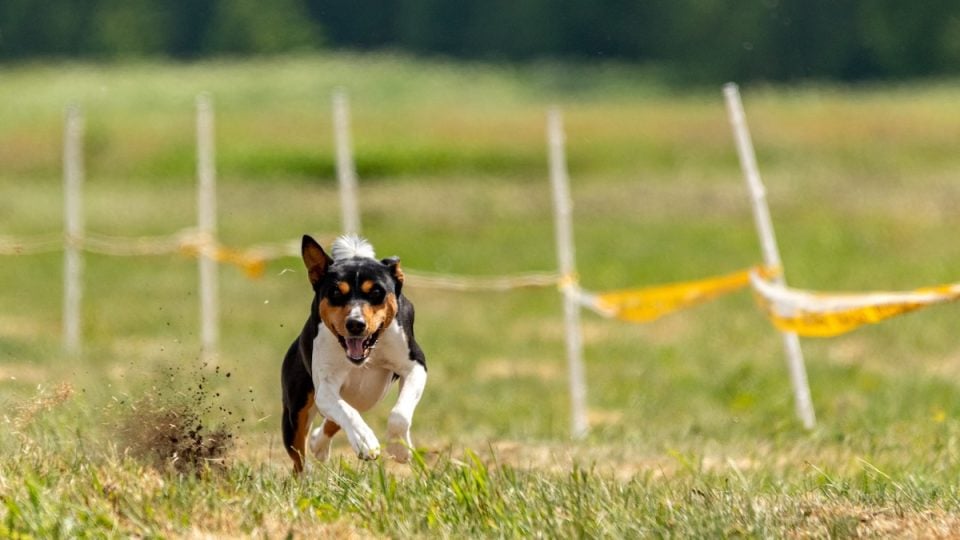
- Fast CAT: a timed dash where dogs chase a lure for 100 yards
Activities for Retrievers
Retrievers were bred and trained to work closely with people as sporting dogs to retrieve wild game for hunters. These days, with their willingness to please, sociability, and responsiveness to training, many Retrievers, like Golden Retrievers and Labrador Retrievers, make wonderful family pets.
Still, this intelligent group of dogs needs breed-specific enrichment to live fulfilled lives, particularly activities that work their noses, memory, and, of course, their retrieving abilities (bonus points if they take place in water!).
Beginner
- Fetch and retrieval games with toys or dog-safe household objects
- Scent games with treats
- Food puzzle toys
- Trick training
- Water play in kiddie pools or sprinklers
- Swimming
- Hiking and outdoor adventures
Next level
- Nosework
- Field work and hunt tests
- Retrieval sports
- Therapy work
- Service dog work
- AKC Canine Good Citizen Test
- Dock diving
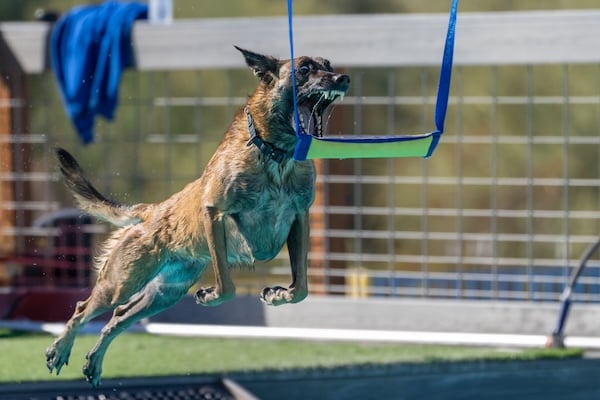
GoDogPhoto via iStock
Activities for High-Energy Breeds
Even within the working dog groups, some breeds are more high-energy than others, regardless of their shape and size.
For instance, big and fluffy Siberian Huskies were bred to have limitless energy to withstand harsh weather and pull sleds. Small but spunky Jack Russell Terriers, on the other hand, have endless stamina because of their history of flushing out foxes and other game.
Which activity you choose for your high-energy breed will depend on your individual pup, but here are some general ideas.
Beginner
- Scavenger hunts
- Food-dispensing toys
- Flirt pole games
- Frozen enrichment (to make puzzles last longer)
- Safe and age-appropriate “pulling” games with weighted toys
- Long decompression walks (to bring the hype down)
- Relaxation protocol (to help create an “off” button)
Next level
- Bikejoring: dogs pull a bicycle rider
- Skijoring: dogs pull a cross-country skier
- Sledding and mushing sports
- Backpacking and long hikes
Activities for Hounds
Hounds, like Beagles and Bloodhounds, were bred to pick up and follow scent trails to flush game out. Others, like Dachshunds, were developed to dig through tunnels to hunt badgers and other burrowing animals.
Activities that channel these breeds’ strong sense of smell and prey drive into healthy, appropriate outlets will keep your nose-y dog’s mind sharp and out of mischief.
Beginner
- Treat scatters
- Scent work
- Snuffle mats
- Sniffy walks
- Flirt pole
- Dig and ball pits
Next level
- Lure coursing: chasing a mechanized lure in a field
- Barn hunt: a sport where dogs scent track rats hidden (and safely secured) in hay bales
- Antler shed hunting
- Search and rescue
- Cadaver dog training
Conclusion
“The goal isn’t to force dogs into jobs, but to give them healthy outlets that align with the behaviors they were historically bred to perform,” says Ellis. Your Australian Cattle Dog doesn’t have to visit a ranch—but offering small-scale games and activities at home geared toward your dog’s breed’s instinctual needs can make a big difference in their overall well-being.
Plus, you might have fun too! It’s great to see your dog excel at a sport or a game they’re good at, and working together can help you build your bond. And that, after all, is what it’s all about!