
- This post contains affiliate links. Read more here.
- Not a substitute for professional veterinary help.
You can’t always tell right away when your pet has fleas. These tiny insects hide under the hair, so you’re more likely to notice changes in your pup’s behavior than the fleas themselves.

Some of the main signs of fleas include frequent scratching and biting, red or inflamed skin, patchy fur and hair loss, and scabs. You might also notice flea dirt, or small flakes of black flea poop that resemble ground pepper.
It’s important to treat fleas right away, since they can lead to more serious health concerns, like flea allergy dermatitis, tapeworms, and anemia.
A good first step is a bath! You don’t necessarily need a dedicated flea shampoo, but you should bathe your dog for at least 10-15 minutes, says Dr. Zac Pilossoph, consulting veterinarian at Healthy Paws Pet Insurance. Then use a flea comb to pick out fleas and their eggs.
That said, a bath and comb usually won’t get rid of all fleas—or keep them from returning. That’s why it’s important to use preventative medicine too.
“Oral tablets, topical fluids, and collars all work really well, if they are used correctly and consistently,” says Dr. Grant Little, veterinarian and veterinary expert for JustAnswer. He adds that consistency is key, since stopping too soon, forgetting for a while, or using expired medications can mean the fleas come right back.
Read on to learn more about the different types of flea treatments, with guidance from experts.
Oral Flea Treatments
“Oral flea treatments are absorbed into the bloodstream and work when fleas bite the dog,” Dr. Pilossoph explains. “These products can be effective at killing fleas quickly and may also help interrupt the flea life cycle by preventing eggs from hatching.”
Oral flea treatments typically come in pill or chewable form. They start killing fleas within a few hours and don’t pose a danger to other pets in the household in the same way topical medications can.
Important: Always check your dog’s weight to get the correct product. Dogs of different sizes need different levels of medication for a safe and effective dose. Your vet can help you find the right product and dose.
Capstar Flea Oral Treatment Tablets
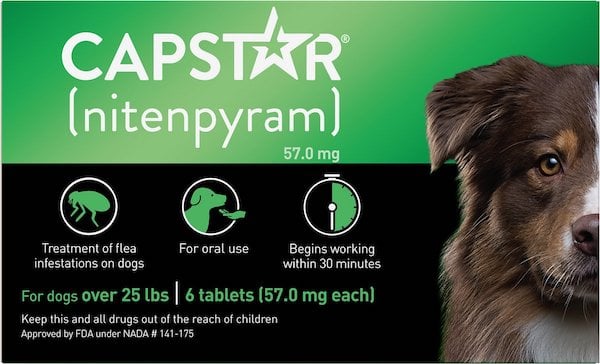
Capstar is a short-term medication designed to fight active flea infestations. It comes in dosages suitable for dogs 2-25 pounds and dogs over 25 pounds. One clinical trial found that nitenpyram, the active ingredient in Capstar, started killing fleas within just 30 minutes. After 4 hours, fleas had detached from more than 90% of the dogs tested.
Pros:
- Fast-acting
- Safe to give one pill per day until fleas at all stages of the life cycle are gone
- No prescription required
Cons:
- Not intended as a long-term preventative
- Only kills adult fleas, so treatment must continue until all eggs and larvae mature
- Broad dose ranges (small and medium-to-large dogs) makes precise dosing difficult
- Only available as a tablet, not a chewable
Simparica Trio
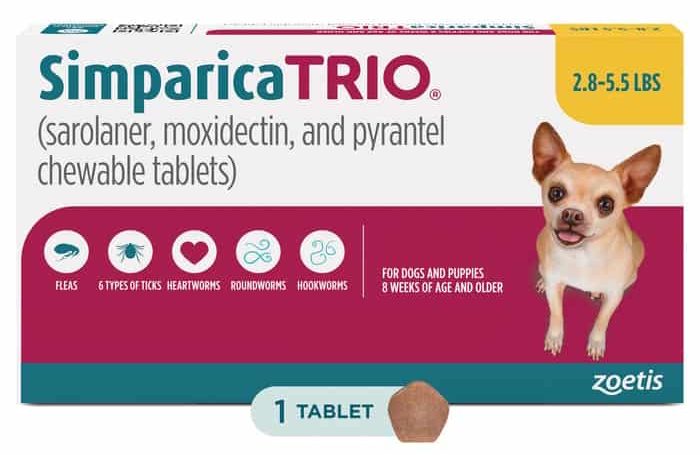
Dr. Little and Dr. Amber Whittle, veterinarian and Parasiticides Medical Affairs Manager at Zoetis, both recommend Simparica Trio. This monthly medication protects dogs against a wide range of parasites, including heartworm, roundworms, hookworms, fleas, and six different types of ticks. It’s FDA-approved and has been determined safe and effective in clinical trials. It’s also approved for puppies as young as 8 weeks old.
Pros:
- Prevents heartworm, roundworms, hookworms, fleas, and ticks
- Safe for puppies 8 weeks and older
- Available as a chew
- Available in six dosage ranges for precise treatment based on dog weight
- FDA-approved
Cons:
- Prescription required
- Monthly administration required to continue protection
- More expensive than other options
Bravecto Chews
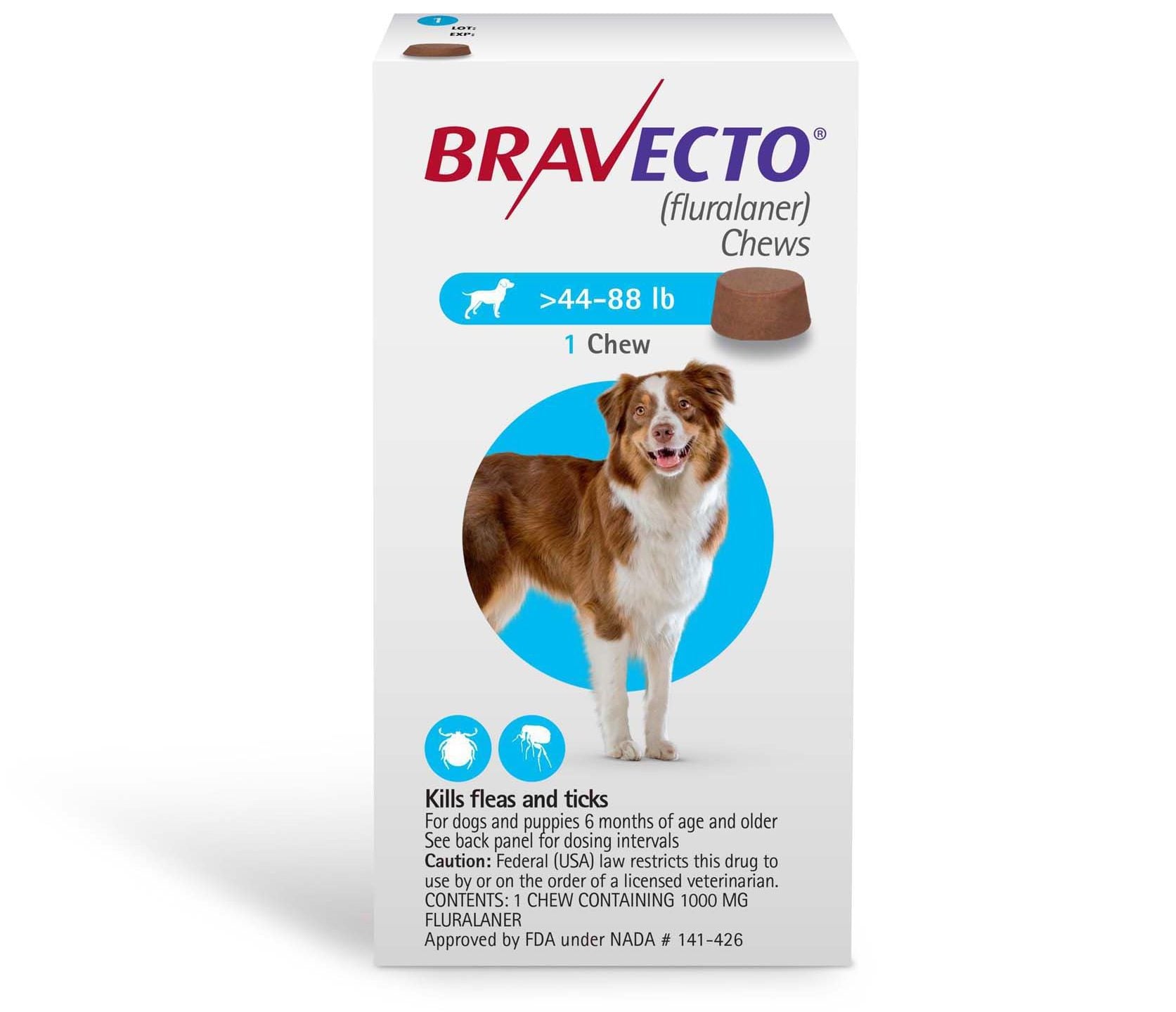
Dr. Little also recommends Bravecto, a preventative that relies on the active ingredient fluralaner to kill and prevent fleas for up to three months. Bravecto, which is also available as a one-month chew and a vet-administered injectable that prevents fleas for a year, has undergone extensive clinical trials to test its safety and effectiveness.
Pros:
- Long-lasting
- Available as a pork-flavored chew
- Also treats and prevents ticks
- Available in five dosage ranges for precise treatment based on dog weight
- FDA-approved
Cons:
- Has been linked to neurological issues like seizures in some dogs
- Prescription required
- Adverse reactions are difficult to manage because of how long the medication stays in dog’s system
Other popular and well-rated oral flea treatments include Comfortis, Nexgard, Trifexis, and Sentinel.
Topical Flea Treatments
“Topical treatments are applied directly to the dog’s skin and are absorbed over time,” Dr. Pilossoph says. “They typically kill fleas as they feed and can provide protection for about a month. Some formulations may also help prevent the development of eggs and larvae.”
Topical treatments typically provide protection for up to 30 days. They’re often less expensive than oral options but can be tricky to apply.
Important: Because topical flea treatments for dogs are toxic to cats and dangerous for anyone to ingest, avoid touching the spot until the medication has dried completely and prevent your cat from licking the dog after treatment.
Frontline Plus for Dogs
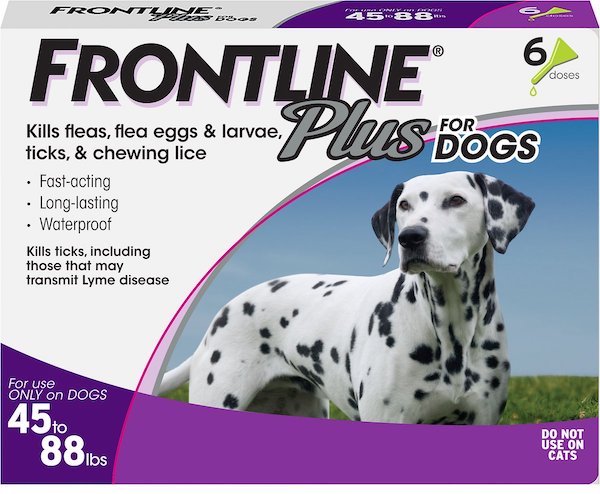
Frontline contains the medications fipronil and methoprene, which work together to kill fleas at all stages of the life cycle and prevent them for 30 days. It’s safe to use once a month as a preventive and dries in 24 hours, minimizing the risk to other household pets who might be tempted to lick your dog.
Pros:
- Kills fleas, eggs, and larvae, plus ticks and chewing lice
- Waterproof formula dries in 24 hours
- Lower cost per dose than oral treatments
- No prescription needed
Cons:
- Some parasites have built a resistance to Frontline products, so they may not be effective in all regions
- Greasy feel and smell until medication dries
- Typically takes 24-48 hours to start working
K9 Advantix
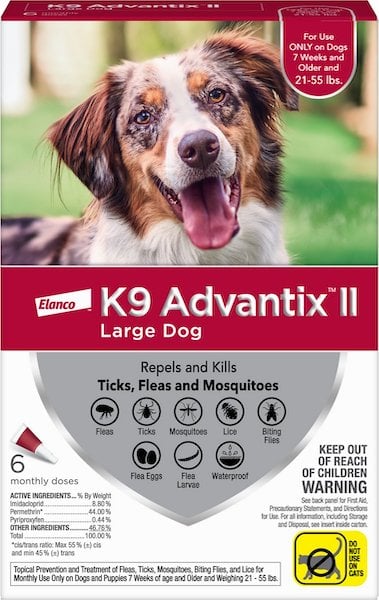
K9 Advantix uses the medications imidacloprid, permethrin, and pyriproxyfen, which start working in 12 hours to treat an active infestation—and the fleas don’t need to bite. Like Frontline, it dries in 24 hours, after which your pet can have a bath or go swimming. It also repels fleas, ticks, mosquitos, and biting flies for four weeks and can be used on puppies as young as 7 weeks.
Pros:
- Kills fleas at all life stages, along with lice, mosquitoes, and biting flies
- Waterproof formula dries in 24 hours
- Lower cost per dose than oral treatments
- No prescription needed
Cons:
- Greasy feel and smell until medication dries
- Typically takes 24-48 hours to start working
Other popular topical flea treatments for dogs include Advantage II and PetArmor.
Flea Collars
Flea collars are made of synthetic materials infused with chemicals designed to either repel fleas or kill them even before they bite your pet. They last longer than oral or topical preventatives and are typically the most affordable flea prevention option on the market.
While flea collars have come under scrutiny in recent years, Dr. Little says they’re generally safe and offer the option to be easily removed, which isn’t possible with oral or topical treatments. If your pet is sensitive to other products, you can try a collar—and if they experience any negative effects from the collar, taking it off will remove the medication completely, unlike with products that last 30 days or longer, he explains.
Just keep in mind the collars may not last as long as the several months they’re advertised to prevent fleas. “Based on wear and tear, they might be less effective in the long run than a consistent oral dose of flea prevention,” Dr. Little says. “They can also break off and become unusable.”
Seresto Flea Collar
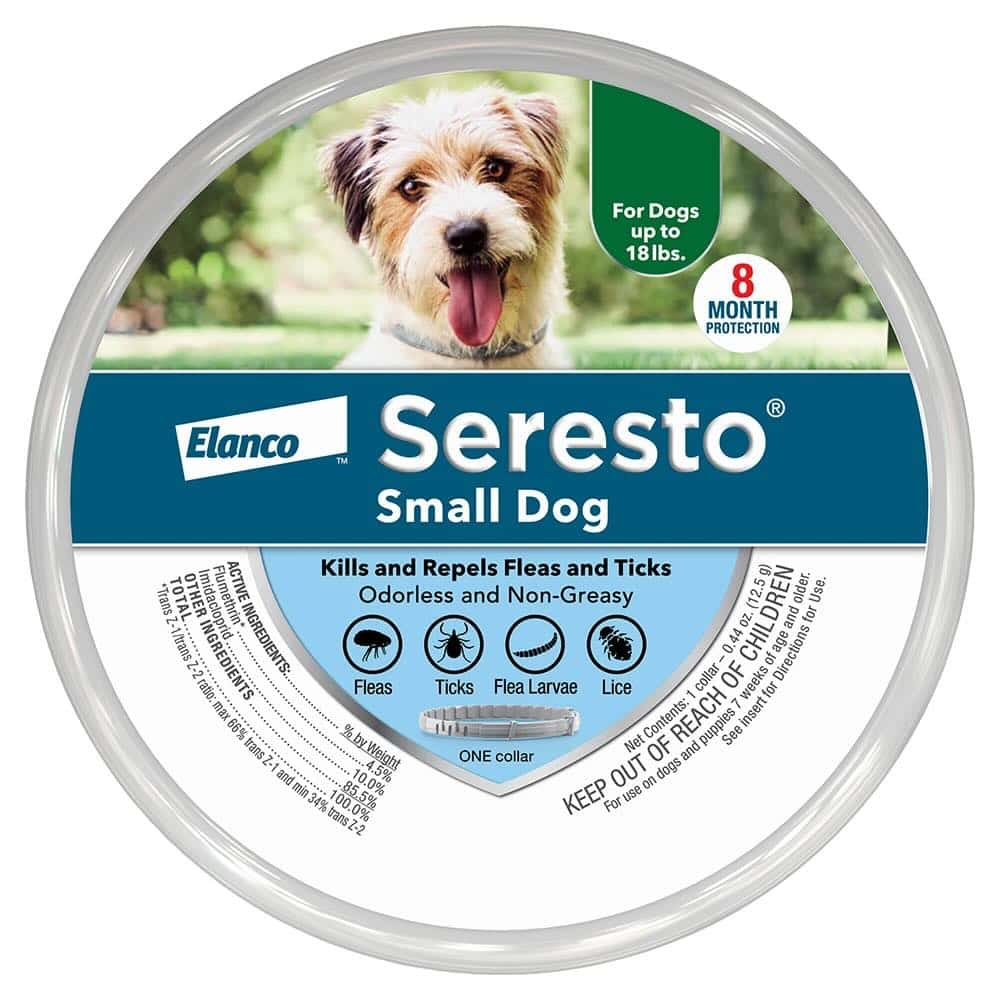
The Seresto Flea Collar remains one of the most popular effective options on the market. Clinical trials have shown it to be particularly effective against ticks, and its affordable cost make it accessible to pet parents with limited budgets. It comes in two sizes and is adjustable to fit a full range of pup sizes.
Pros:
- Odorless and non-greasy
- Repels fleas, ticks, and lice for up to 8 months
- Designed to start killing fleas within 24 hours
Cons:
- Typically not as protective as topical or oral options
- Protection depends on the collar staying on and intact
- Many pet parents have expressed safety concerns for both dogs and humans
- May not be safe for other animals in the home, especially cats
Natural Flea Treatments
Natural flea treatments for dogs get a lot of press, and they may be tempting alternatives. But while some pet parents have met with anecdotal success, most natural remedies and flea repellants lack the power of prescription medications—and trying to mix up a concoction yourself can be dangerous.
“Some natural topical products can be effective and may have a better safety profile when used appropriately, but they typically require frequent, sometimes daily, application to remain effective,” Dr. Pilossoph says. He also warns about the lack of oversight in over-the-counter, natural flea products: “It’s important for pet parents to conduct thorough research about the company and product before committing.”
Dr. Little adds that since natural remedies typically aren’t tested, reports of their effectiveness are based on word of mouth, not hard data. He recommends getting advice from your vet, who can recommend approved products with consistent benefits and minimal side effects.
TropiClean Maximum Strength Natural Flea & Tick Treatment Dog Shampoo
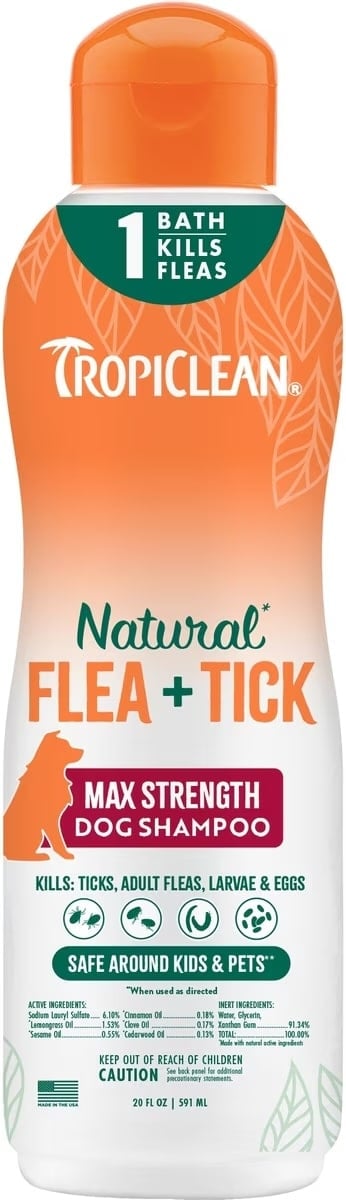
Bathing your pup is a good first step for any flea infestation, and a bath with TropiClean Maximum Strength Natural Flea & Tick Treatment Dog Shampoo may force the fleas to abandon ship. This natural formula contains lemongrass, cinnamon, cedarwood, and clove oils to help kill fleas at all life stages as well as ticks, while preventing their return for up to a week.
Pros:
- Essential oil ingredients can help kill and repel pests naturally
- Fresh citrus scent
- Safe for pets and kids
Cons:
- Requires weekly bathing for maximum effectiveness
- May not be strong enough to fight an active infestation
Zesty Paws Flea & Tick Spray
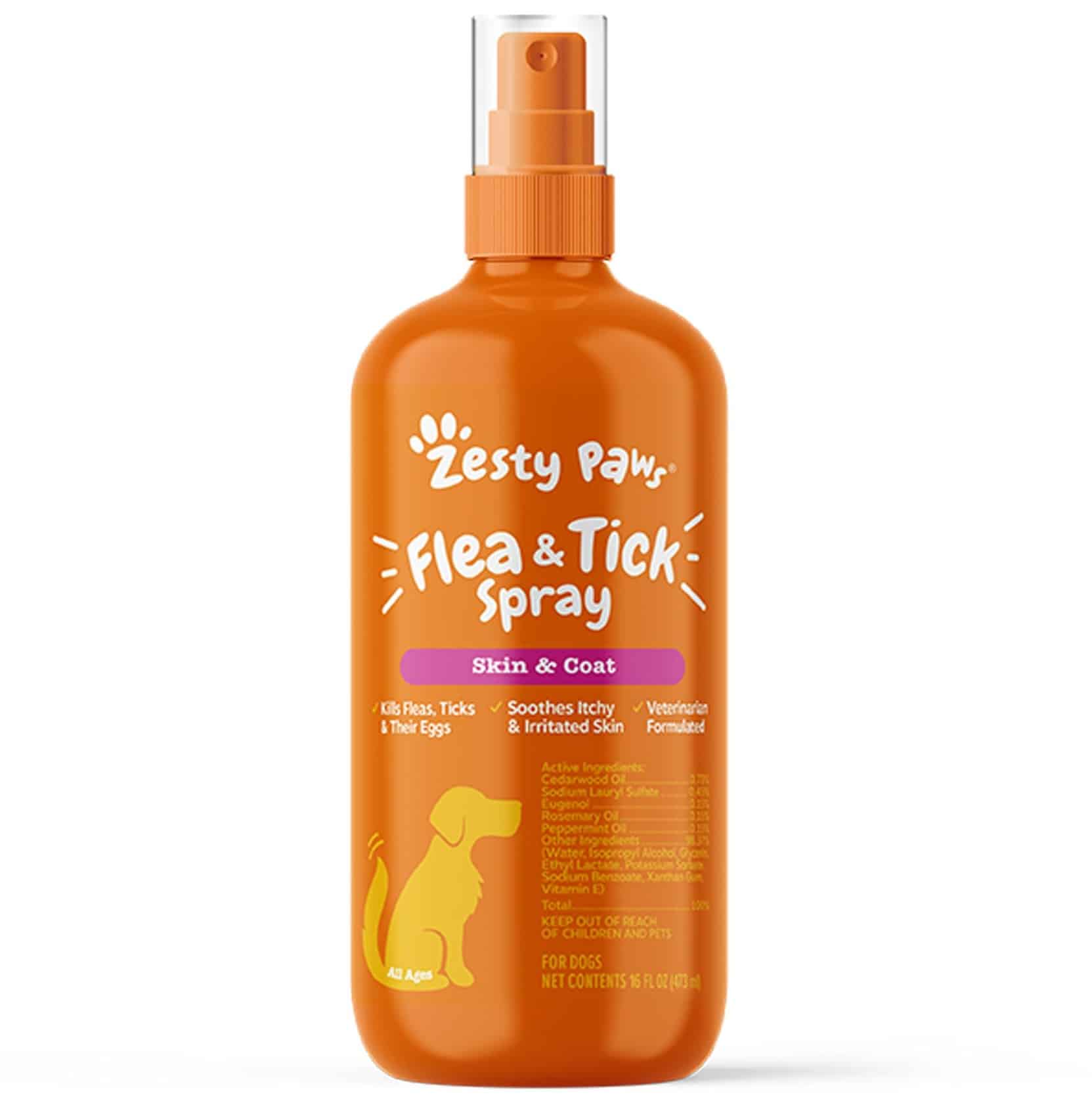
Zesty Paws Flea & Tick Spray can be applied directly to your dog’s coat to fight fleas. It’s made with natural ingredients like rosemary and cedarwood oils and designed to both kill and repel parasites, including fleas and ticks.
Pros:
- Easy to apply as needed
- Natural ingredients and fresh scent repel pests naturally
- Soothes irritated skin while fighting fleas
Cons:
- Risk to dogs or other animals if licked off the coat
- Only recommended for direct application on dogs, not furniture or bedding
- Short-term, temporary repellant
Natural-focused pet owners may also consider diluting apple cider vinegar with water and using it as a flea treatment rinse for your dog. You can also supplement your dog’s diet with brewer’s yeast and Vitamin B complex.

photo-vista via iStock
How To Rid Your Home of Fleas
Getting fleas off your dog is only the first step.
“Treating the home is a critical part of getting rid of fleas, since they often live and reproduce in carpets, bedding, and upholstery,” says Dr. Pilossoph.
A deep clean to remove fleas, eggs, and larvae in the home will help ensure the problem doesn’t come back.
To reduce flea populations and help prevent reinfestation, Drs. Pilossoph and Whittle both recommend vacuuming carpets and furniture daily and emptying the canister right away outside, along with washing all pet bedding in hot water and drying on high heat.
Fleabusters, a boric acid–based product offers even more flea-fighting power. Just sprinkle it on carpets and furniture, leave it for 24 to 48 hours, then vacuum it away.
In the yard, mowing your lawn regularly helps to keep flea hiding spots to a minimum, while a flea and tick yard spray, flea-killing nematodes, and diatomaceous earth can help control fleas, ticks, and mosquitoes without harming your plants, garden, or lawn.
If all else fails, Dr. Pilossoph recommends that you call in the professionals. Flea exterminators are pros at safely cleaning your house and preventing re-infestation.
FAQs About Flea Treatments for Dogs
Is it possible to treat fleas without seeing a vet?
Many flea treatments are available over the counter without a prescription. However, it’s always a good idea to check with your vet to make sure the treatment you’re using is suitable for your dog, especially if they’re young, have health issues, or are taking other medications.
If your pet has never had a flea medication before, it doesn’t hurt to ask your vet for a recommendation first.
When do I need to see a vet for fleas?
Dr. Pilossoph recommends contacting a vet when a flea issue become severe or your dog shows signs of infection or other skin issues. Severe flea infestations or dogs in high-risk areas may require a prescription treatment to kill the parasites and prevent future infestations.
How often do I need to give my dog flea medication?
The frequency of dosage depends on the type of flea treatment. You’ll need to give some short-term flea treatments daily until the infestation has cleared. Preventative oral and topical flea treatments typically require monthly administration, though some, like Bravecto, may require longer periods between doses.
Always read the directions carefully to make sure you’re giving your pet the dose at the correct time.
What kills fleas on dogs quickest?
Oral flea treatments typically work the fastest, with some beginning to kill fleas within an hour. Topical treatments typically start to work within 24-48 hours.
What is the most effective flea treatment?
Oral and topical flea treatments are typically the most effective option for killing and preventing fleas. No matter what option you choose, consistency is key, Dr. Little says. Always follow the manufacturer’s instructions for frequency and dosing to make sure the product you choose works properly.
How do I know I’ve killed 100% of fleas?
“This can be hard to know with certainty, but a pet’s symptoms are one of the main indicators,” Dr. Pilossoph says. “If they stop scratching, especially around common problem areas like the rump or hindquarters, that may suggest the infestation has been cleared.”
Dr. Whittle adds that even with excellent treatment, it may take several weeks for fleas to go away completely. Consistent use of a preventative medication will help kill newly hatched fleas. You’ll know you’re on the right track when you no longer find fleas or flea dirt on your pets, she says.
Treating all animals in the home, as well as taking precautions to clear your home and yard of fleas, will help prevent their return.