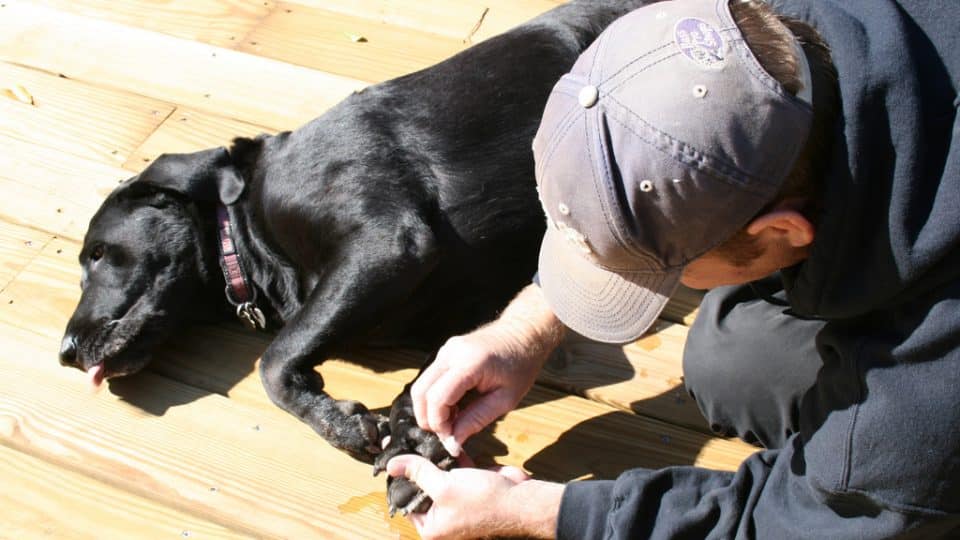
A dog’s limping can be obvious, like when they hold up a paw as they walk. Some limping might be harder to notice. For example, your dog might only lightly touch the ground with one paw or have a stuttered gait as the sore leg lands.

Most dogs will deal with limping several times in their lives, says Dr Daniel Dixon, Founder and Veterinarian at North Keller Animal Hospital.
Limping can happen suddenly due to injury, but it can also develop over time due to an underlying condition. Some types of limping may improve on their own, but many types of limping point to a more serious health condition. That said, many of those conditions improve with treatment when caught early.
Read on to learn why your dog might be limping, when to consult a vet, and how to help your dog at home.
Types of Limping in Dogs
Understanding the different types of limping can help you figure out why your dog is limping and whether they need urgent attention from a vet.
- Sudden vs. gradual onset: Sudden limping usually happens because of an injury caused by things like debris in the paw or jumping off furniture. Limping that begins slowly over time generally suggests a condition like arthritis or hip dysplasia.
- Short-term vs. chronic limping: Acute, or short-term, limping may happen due to injury, but it can also signal the early stages of a chronic condition, such as cruciate ligament disease. Chronic, or ongoing, limping happens with many different health conditions. Dogs may also keep limping if their injuries go untreated.
- Mild vs. severe limping: Mild limping is common, but treatment can keep it from getting worse. Because severe limping can indicate serious problems like fractures, infections, or bone cancer, it requires immediate veterinary care.
5 Causes of Limping in Dogs
Here are some of the most common reasons for dog limping and typical recovery time, according to Dr Samantha O’Gorman, Veterinarian at Thrive Pet Healthcare.
Injuries
Common injuries that may cause limping include:
- Sprains and strains: Healing takes 10 to 14 days with proper rest and care.
- Cranial cruciate ligament (CCL) tears: Surgery is often required. Recovery takes 6 to 8 weeks, but dogs may develop arthritis later.
- Broken bones or fractures: Healing usually takes 6 to 8 weeks, depending on how the fracture is managed.
- Foreign objects in the paw: Dogs generally improve within a few days of the object’s removal, but they may need sedation so your vet can fully assess and flush the area.
- Paw pad burns or injuries: Mild cases of burnt pads and other paw injuries may heal in days, while deeper wounds may take weeks to heal.
- Infection or abscess: Antibiotics prescribed by your vet can provide relief within a few days.
- Intervertebral disc disease (IVDD): Some dogs may need surgery to treat IVDD, but in some cases, your vet may be able to manage the condition with medication. Recovery times can range from 6 weeks to a few months.
Joint issues
Joint disease is a leading cause of chronic limping in dogs, especially in the hips and knees. Even with treatment, joint diseases may cause long-term discomfort, which can show up as limping.
- Osteoarthritis: This degenerative disease is a type of arthritis that wears down cartilage over time, leading to mobility issues and pain. Early treatment can help manage symptoms and improve your dog’s quality of life.
- Aseptic necrosis of the femoral head: With this condition, a disruption of blood supply to the hip causes the bone to deteriorate, leading to limping. Many dogs will need surgery, and recovery generally takes 4 to 6 weeks. If arthritis develops, your dog will need continued medical treatment and supportive care.

Teamjackson via iStock
Diseases or infections
Some illnesses and infections directly affect the joints or bones, while others trigger widespread inflammation or pain. These conditions can sometimes improve with prompt diagnosis and appropriate treatment.
- Tick-borne diseases: Proper treatment for Lyme disease and other tick-borne diseases will usually clear up limping within a few days. Ongoing tick prevention will help keep your dog safe!
- Immune-mediated polyarthritis: Dogs often relapse without treatment and will usually need long-term management with steroid medications.
- Osteomyelitis (bone inflammation): Treatment may require antibiotics or antifungal medications for 8 weeks or longer.
- Pododermatitis (paw infection): Most dogs experience relief within a few days of starting topical or oral antibiotics. If they don’t, your vet may need to try another treatment.
Genetic or developmental
Several genetic and developmental disorders can cause limping in dogs, especially large or growing breeds. These conditions often require long-term management or surgical intervention to improve comfort and mobility.
- Hypertrophic osteodystrophy: This is an inflammatory bone disease in puppies. They will need ongoing pain control until they reach skeletal maturity, which typically happens when they reach 2 years of age.
- Panosteitis: Shifting leg pain in large dog breeds can last two to three weeks.
- Angular limb deformities: Limb abnormalities can be corrected during development. Without correction, limb deformities can lead to arthritis, which can cause lifelong limping.
- Patellar luxation: This common type of knee dislocation can cause mild to chronic limping. Chronic cases of patella luxation may lead to arthritis.
- Elbow or hip dysplasia: Dogs may limp when the elbow or knee joints don’t form or grow properly. Surgery can improve limping within 4-6 weeks, but some dogs may need lifelong care to manage symptoms.
Underlying health issues
Some broader health conditions, such as obesity and bone cancer, can contribute to limping in dogs.
Obesity puts added stress on a dog’s joints, which can worsen limping or make it last longer. Without weight management, this strain may lead to chronic discomfort and joint issues.
Bone cancers like osteosarcoma can be very serious and often require aggressive treatment like surgery, chemotherapy, and pain relief. Bone cancer can cause ongoing or recurring pain, which makes early veterinary care essential.
Signs Your Dog Is In Pain While Limping
Limping is often just one of several signs of pain in dogs. Other signs include:
- Mobility changes: Altered posture, stiffness, and trouble moving around
- Activity level changes: Restlessness, lethargy, and not wanting to exercise
- Behavioural changes: Different vocalisations, social withdrawal, attention-seeking behaviours, changes in reactions to touch, licking or chewing of the body, and irritability
- Lifestyle changes: Loss of appetite, altered sleeping patterns, and pooing or weeing indoors
Dogs won’t always show symptoms if they’re in pain. For example, Dr Dixon says it’s common for dogs to limp but not cry. They may yelp when something first hurts and hide their discomfort after that.
When To Ask a Vet
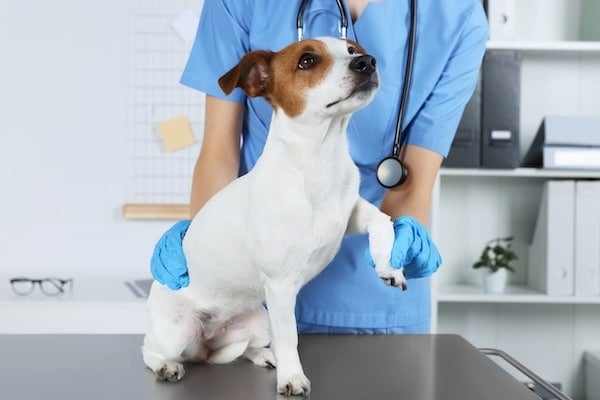
Dr. O’Gorman shares what to consider when deciding how to handle your dog’s limping.
Tip: Recording a video of your dog can provide helpful information for your vet.
| Observation | What to Do Next | Why It Matters |
| General limping | Schedule vet exam and consider x-rays | An exam can rule out fractures or other injuries and help your dog get the right treatment. |
| Debris stuck in paw | Remove if possible and monitor | Removing the object may resolve the limping. |
| Yelping, whining, or aggression when touched | Seek immediate care | Your dog may have an injury or health issue that requires urgent medical attention. |
| Licking, biting, or chewing at paws | Schedule vet exam | Licking can worsen infections or wounds. A vet can provide a proper diagnosis and treatment. |
| Joint swelling | Seek immediate care | Your dog may have a serious joint condition that needs prompt diagnosis and treatment. |
| Long bone swelling | Seek immediate care | Your dog may have an infection or fracture that requires diagnosis and medical treatment. |
| Toe-touching or non-weight-bearing lameness, sitting with one leg out | Seek immediate care and consider X-rays | Your dog could have a cranial cruciate ligament injury. Early treatment can help prevent complications. |
| Shifting leg lameness | Seek immediate care, test for infectious diseases, and consider X-rays | Your dog could have an infection or systemic disease that requires urgent treatment. |
How To Help Your Dog at Home
It’s always best to have a vet diagnose the cause of your dog’s limp, but you can also take steps to support your dog’s comfort at home.
Alter your dog’s exercise or walk routines
Reduce long walks to brief toilet breaks and sniffing sessions, recommends Nicole Kohanski, founder, dog behaviour expert, and certified trainer at Wiggle Butt Academy. Keep your dog’s mind active with indoor enrichment activities, like snuffle mats or Kong toys with food inside.
Set up a comfortable place to rest
Kohanski emphasises the importance of a cosy rest spot for limping dogs. If you have slick floors that could cause your dog to slip, use rugs or non-slip mats. A supportive memory foam bed can also help relieve pressure when your dog is lying down.
Invest in beds, ramps, and stairs
If your dog usually jumps onto furniture or in and out of the car, provide a non-slip ramp or pet stairs. These mobility aids can reduce joint strain and help keep your dog’s limp from getting worse. Orthopaedic or low-entry beds can also help them rest and move around more comfortably.
Use vet-recommended medications & supplements
Dr O’Gorman explains that while supplements may not directly relieve pain, they can support joint health. For instance, omega-3 fatty acids may help some dogs. Just take care to choose a reputable brand to make sure you get a quality product—your vet can usually make a recommendation.
Your vet may also prescribe pain relief for your dog. Commonly prescribed medications include nonsteroidal anti-inflammatory drugs (NSAIDs) and gabapentin. Depending on the severity of your dog’s pain, they may also prescribe an opioid, along with other medications to address the underlying cause.
Prevent future accidents that may cause limping
Dr. O’Gorman shares several tips to help reduce the risk of future limping:
- Limit rough play: This can help prevent strains, sprains, or other trauma.
- Secure your dog during car journeys: Reduce the risk of injury during sudden stops or accidents by using a dog carrier or seatbelt.
- Supervise outdoor time: Teach your dog to come when called to help prevent accidents.
- Protect paws in harsh conditions: Consider booties to protect paws from hot pavement, icy sidewalks, or rugged trails.
- Feed a nutritious, breed-appropriate diet: A breed-appropriate dog food is especially important for large-breed puppies with rapidly growing joints.
- Help your dog maintain a healthy weight: Obesity can cause joint stress and long-term discomfort for your dog.
- Encourage regular, low-impact exercise: Walking and gentle play help keep a dog’s muscles and joints strong.