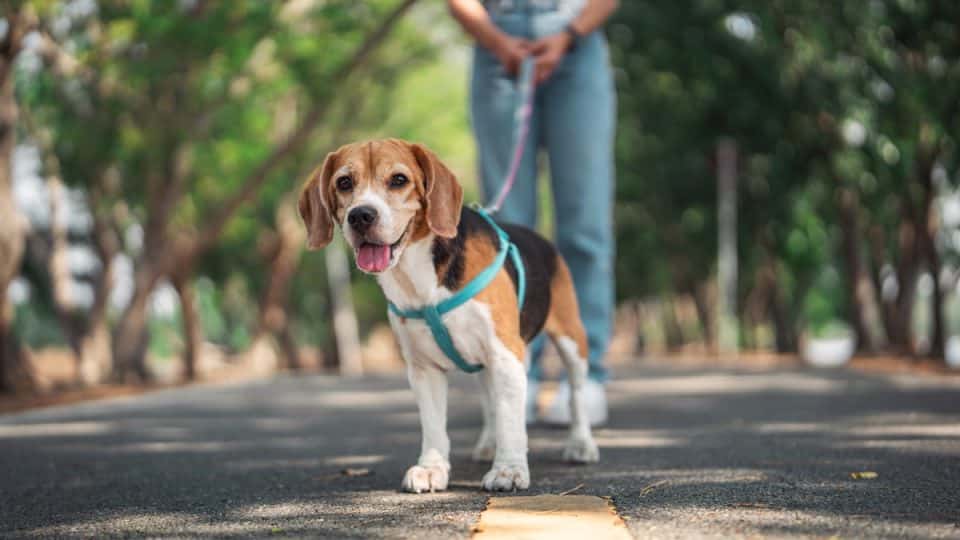
Daily walks aren’t just exercise for your dog—they’re key to keeping them happy and healthy. But it’s not always easy to give your pup the activity they need. Whether you’re working late, caring for family, managing mobility concerns, or simply don’t have the time and energy, a dog walker can help.

The question is, how do you find someone you trust enough to take care of your furry best friend? Finding reliable and trustworthy dog walkers isn’t easy—but it’s worth the effort.
“The right dog walker can truly upgrade your dog’s routine, give you peace of mind, and keep everyone safe,” says Alexandra Bassett, a certified dog trainer, behaviour consultant, and owner of DogSavvy. With Bassett’s help, we explore how to find a safe, competent dog walking professional who will treat your pup like their own.
How To Find a Dog Walker
Dog walkers can be found in a variety of ways: through word of mouth, a quick online search, or pet care apps like Rover.
Many dog parents swear by personal recommendations, especially when they come from friends, neighbours, or fellow dog parents whose judgment you trust. Don’t hesitate to ask around about who they use for dog walking and why they’d recommend them. You can also check with your vet, groomer, or dog trainer, who may be able to offer customised recommendations based on their contacts and your dog’s particular needs.
Platforms like Rover can also help you find reliable, trustworthy dog walkers in your area, letting you browse profiles, read reviews, and even schedule a meet-and-greet to see how they get along with your pup.
Qualifications, Licensing, and Background Checks
The best dog walkers come with more than just treats; they’re highly trained, highly skilled, and deeply knowledgeable about dog behaviour. A true pro knows how to read canine body language, is ready for any emergency, and uses basic training techniques to make every walk safe, productive, and enjoyable.
First aid & CPR
While you hope nothing ever goes wrong on a walk, accidents and emergencies can happen. A skilled dog walker should be trained in pet first aid and CPR so they can act quickly and confidently if your pup needs help.
Certifications like OFQUAL Pet First Aid & CPCR OCN Level 3 and the Care Skills Training CPD-Accredited Dog First Aid, CPR and Grooming course can show that dog walkers know how to prevent and handle walking injuries, heatstroke, and other urgent situations.
Professional certifications & training
In addition to being first-aid certified, many of the best dog walkers pursue certifications in dog walking, sitting, and training. These certification courses provide valuable knowledge about dog behaviour, training, handling techniques, and best practices for keeping your dog safe.
Some of the most common dog walking certifications to look for include:
- IMDT Professional Dog Walking Certification
- iPET Network Level 3 Award in Dog Walking and Pet Sitting for Professionals
- City and Guilds Level 2 Certificate of Technical Competence in Pet Sitting
Dog walker insurance
No UK regulations require a dog walker to have insurance. However, a responsible dog walker should have public insurance. Just like insurance for your home or business, public liability insurance helps to protect and support dog walkers in an emergency, whether it’s an unexpected trip to the vet, a damaged fence, or even lost house keys.
Many public liability insurance policies cover injuries, property damage, and accidental lockouts, ensuring that problems are covered without asking them (or you) to pay completely out of pocket. An insurance policy will state how many dogs the walker is covered to take out at one time. So be sure to ask for their Certificate of Insurance before you hand over your dog.
Licensing and laws
Dog walkers will need different licenses and need to follow different laws depending on which part of the country they operate in. They’ll also need to be aware if you’re in a different borough from them, as different restrictions and Public Service Protection Orders (PSPOs) may apply in that borough.
For example, if a sitter in a certain part of London usually takes out a pack of six, which may be fine if they’re a licensed walker operating out of Tower Hamlets. However, if they take a client near the Royal Parks, such as St. James’ Park, and choose to take their pack there for a walk, they’d be in breach of the four-dog maximum and would likely be fined.
Likewise, if you live in a rural area or one in which your walker and dog are likely to encounter plenty of livestock, they’ll need to be savvy about the Countryside Code. Your dog will legally need to be on a lead around livestock on open access land anywhere in the country, and some local areas ban dogs completely. Farmers are legally permitted to shoot dogs that are attacking or chasing livestock.
So the importance of a walker being experienced in local regulations and land requirements can’t be overstated. A knowledgeable dog walker will be aware of the different areas in which they can operate, the maximum pack size, and what is and isn’t permitted under their license.
Background checks
When you hire a dog walker, you’re not only entrusting them with the care of your dog, but also your home. It’s completely reasonable—and smart—to request a background or basic DBS check.
A background check will surface any red flags, such as a criminal record, history of theft, or any other issues that could affect your trust and comfort level. Most professional dog walkers have a background check ready to share or are happy to provide the information you need to run your own screening.
Primorac91 via iStock
Tips To Find a Good Fit for Your Dog
While credentials and insurance are important, it’s just as key to choose the dog walker whose personality, walking style, and approach are well-suited to your unique pup. Here are some tips to go beyond the basics to help you find trustworthy walkers that are a good fit for your dog.
Look for a shared philosophy
There are many different methodologies and philosophies for dog handling, and it’s important to choose a dog walker who will treat your pup the way you want them to be treated. As a positive reinforcement trainer, Bassett always ensures that her dog walkers use gentle, reward-based techniques.
“If your dog barks or pulls, building space between them and the trigger generally works better than any harsh approach, like jerking on a choke chain,” she explains. “Many dogs can’t just walk calmly down a crowded pavement, so it’s crucial to have a walker who’s prepared to prevent unwanted encounters.”
Scan reviews for dogs similar to yours
Dog walker reviews can offer a wealth of information to help you choose the right dog walker for your pup. But don’t just scan for high ratings—look for reviews that mention dogs similar to yours in size, age, temperament, and needs. Read the good reviews, the bad reviews, and everything in between to get a well-rounded sense of a potential dog walker’s strengths and reliability.
Be upfront about your dog’s needs
Every dog has unique personality traits, whether they’re anxious, excitable, reactive, or prone to stopping to sniff every postbox they pass. It’s important to choose a dog walker who is confident, skilled, and flexible enough to match their approach and pace.
“They should be ready to handle your dog’s unique personality and any quirks,” says Bassett.
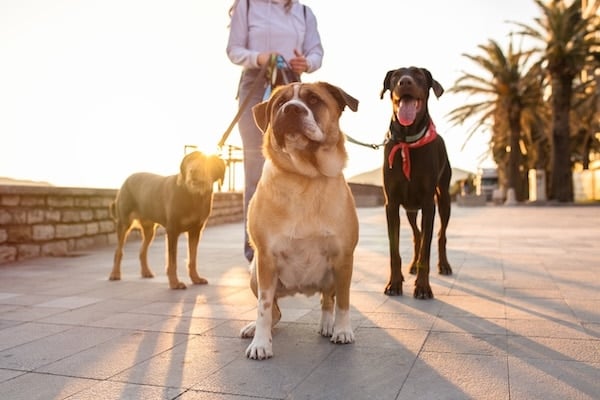
You’ll also want to ask whether the walker typically takes one dog at a time or goes on group outings; depending on your pup, one might be better than the other. You might even consider whether your dog would benefit more from a drop-in visit and a game of fetch than a walk.
Try out several walkers
If this is your first time hiring a dog walker, this step is particularly important: meet with and consider several dog walkers. Taking this approach can not only give you plenty of options to find the right fit, but it also gives you a better sense of what’s available. You can see different handling styles in action and clarify what’s most important to you in your dog’s walker.
Strelciuc Dumitru via iStock
Meet & Greets and Trial Runs
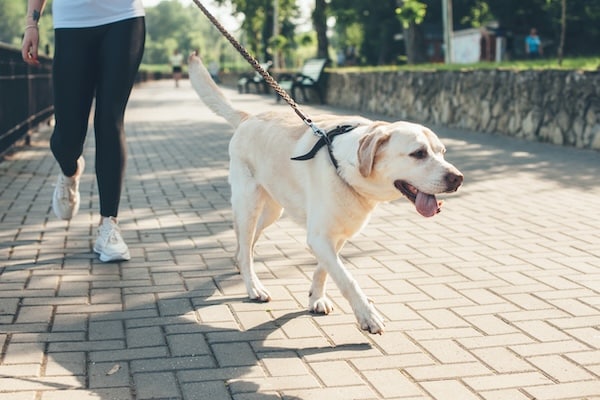
A meet-and-greet is a great way to prepare for your dog walker. It gives you a chance to meet potential dog walkers in person, introduce your pup, and see them in action. Treat the meet-and-greet like an interview, observing how a dog walker shows up, whether they’re prepared, and how they engage with your dog.
“The first thing I would look for is how they handle the basics,” recommends Bassett. “A good walker will check that the collar or harness fits just right—snug so your dog won’t slip out, but never too tight to cause discomfort.”
She further explains that a dog walker should:
- be dressed for success (ready for the road)
- incorporate basic training into their walking routines
- come equipped with all the tools they need for the walk (hello, poo bags)
- Prioritise the dog’s safety and clear communication
Once the basics are covered, it’s all about how they interact with your dog: “Observing them in action with your dog—whether it’s a quick walk around the neighbourhood or a chat in the hallway—lets you see if they can read your dog’s cues,” says Bassett. “Right away, you’ll get a sense of whether your dog feels comfortable around them and vice versa.”
This is particularly important for large dogs, says Bassett. “Someone who weighs 8 stone might not feel confident wrangling a 5-stone husky that pulls like a freight train, so it’s better to find that out sooner rather than later.”
Check References and Trust Your Instincts
Once you’ve found a promising dog walker candidate, don’t skip the final step: checking references and watching for red flags. Take the time to read reviews, call past clients, and listen for honest feedback about their reliability, communication, and care.
Most importantly, trust your gut—if something doesn’t feel right at any point, it’s okay to keep looking. The right dog walker will greet your dog with the same warmth and respect you do and make you feel confident about leaving your pup in their care.
Putting in the work of finding a reliable dog walker for your pup is well worth the effort. As Bassett says, when the right person is on the other end of the lead, your dog gets to enjoy safe, happy, and enriching walks—and you get to enjoy the peace of mind of knowing they’re in good hands.