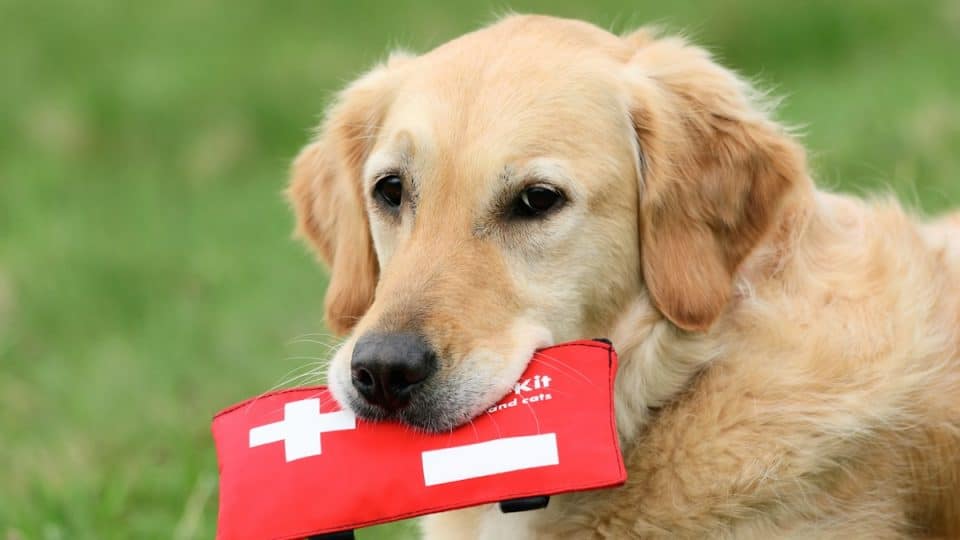
Emergencies can happen at any time, and when they do, your best friend depends on you to have a dog first aid kit. Whether you’re facing a scraped paw, an upset stomach, or a full-scale evacuation due to a natural disaster, being ready with a dog emergency kit can take the panic out of accidents.
Dr. Heather Berst, Medical Lead at Zoetis, says having first aid items on hand and all in one place can save your dog and help them feel better faster. A well-equipped kit might help your pup through anything from a superficial cut to something more serious, like a broken leg. An evacuation kit, by contrast, is useful for emergency situations like floods, fires, or power outages—but they can also come in handy for camping trips, road travel, or hikes.

This guide covers everything to put in your evacuation and first-aid kits, so you’re prepared no matter where life takes you and your dog.
What Should Be in Your Dog First Aid Kit?
A well-stocked first-aid kit helps you handle your dog’s injuries until you can get your dog to the vet. Part of their efficiency is that they concentrate your medical gear in one spot. Try a waterproof organiser with a removable top tray to keep everything in place, or use a heavy-duty locking style case to keep curious pets and children out.
“You may have all the items for a pet first aid kit around your house, but keeping them in one area will make you more efficient in a stressful time and give you one less thing to worry about,” adds Dr. Berst.
Here’s what to put inside:
- Gauze: Used to wrap wounds or stop bleeding until professional care is available.
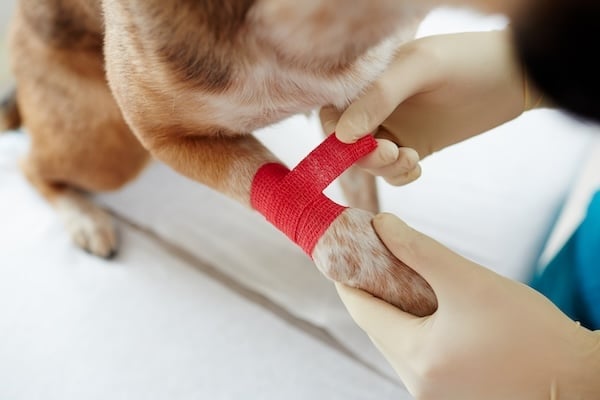
- Bandage wrap: Dr. Eliza O’Callaghan, DVM and Managing Veterinarian at Small Door Veterinary, says to look for wraps that stretch and stick to themselves instead of adhering to your dog’s fur.
- Non-latex disposable gloves: Protect your hands when handling injuries or administering first aid.
- Saline solution: Useful for flushing out dirt, debris, or irritants from your dog’s eyes or wounds.
- Styptic powder: Quickly stops minor bleeding from small cuts or torn nails.
- Blunt-end scissors: Safe for cutting bandages and gauze without risking injury to your pet.
- Tweezers: Essential for removing thorns, splinters, or ticks from your dog’s skin.
- Digital thermometer: Measures your dog’s temperature to check for fever or hypothermia.
- Instant cold pack: Reduces swelling and soothes bruises or minor injuries.
- Cotton balls and swabs: Useful for cleaning wounds and applying medication.
- Penlight or flashlight: Helps examine wounds and check your dog’s eyes, ears, or mouth.
- Nail clippers: Prevent overgrown nails, which can crack or cause discomfort.
- Syringes: To administer liquid medication or flush out wounds.
- Soft, inflatable recovery collar: Stops your dog from licking or chewing wounds while they heal.
- A magazine: Dr. O’Callaghan says you can wrap and secure it around your pet’s limb to make a makeshift splint.
- Benadryl (Diphenhydramine) Tablets: Can help with allergic reactions, bug bites, or mild swelling (always check dosage with your vet first!).
- Veterinary antibiotic ointment: Protects minor cuts and scrapes from infection (avoid human antibiotic ointments, as they may not be dog-safe).
- Vetericyn wound spray: A painless antiseptic solution for cleaning wounds and soothing skin irritations.
- Activated charcoal: Can save your dog’s life in the event of accidental poisoning, but should only be used under a vet’s guidance.
- Hydrogen peroxide: Used to induce vomiting in certain poisoning cases, but consult your veterinarian first if you can.
A first-aid kit isn’t just for home use—it should travel with you whenever your dog might be at risk of injury. Consider carrying it during:
- Hiking or camping trips (where your dog might get cuts, insect bites, or sprains)
- Road trips (to address motion sickness, injuries, or sudden illness)
- Beach outings or lake days (in case of paw pad burns, dehydration, or ingesting something harmful)
- Dog parks or playdates (for treating small wounds or preventing infection from minor scuffles)
Extra considerations for hiking or camping
Outdoor adventures could come with more potential injury risks for your dog, so it’s smart to pack some extra gear. In addition to a standard first-aid kit, consider bringing:
- Dog carrying sling: Dr. Berst says it’s critical to have a way to evacuate your dog if they can’t walk due to a snake bite, foot/leg injury, or heat exhaustion.
- Tick remover toolkit: Essential for safely extracting ticks in areas with high tick populations.
- Paw protection wax or booties: Prevents cuts, burns, and irritation on rough or hot terrain.
- Emergency blanket: Keeps your dog warm if they experience shock or hypothermia.
- Collapsible water bowl and extra water supply: A dog water bottle can prevent dehydration during long hikes.
- Electrolyte powder for dogs: To aid recovery if your dog is dehydrated.
- Reflective vest or LED collar: Reflective or light-up gear increases visibility in low-light conditions for safety.

Nastasic via iStock
Supplies for Natural Disasters or Evacuations
Since emergencies like floods or fires can strike at any moment, it’s important to be prepared at all times. Having a separate dog evacuation kit or a “go-bag” with additional supplies will put you in a much better position to safely transport your pet when you hit the road.
Your dog first aid kit should include everything in the first aid kit, along with a few additional items:
- Pet carrier or crate: A secure, familiar space for your dog if you need to evacuate quickly, or if you just need a safe place to put them while you’re figuring out a plan. Practice loading your dog into the carrier ahead of time to reduce stress in an actual emergency.
- Spare collar, tags, and leash: Keeping your dog close is critical in chaotic situations. A reflective lead is especially useful for low-visibility conditions.
- Collapsible food bowls: Lightweight and easy to pack, these make feeding and hydrating your pet hassle-free in whatever circumstances you find yourself.
- Extra dog food and water: Getting to the store during a natural disaster may be impossible. Aim to keep a 1- to 2-week supply of canned wet food or your dog’s regular kibble. Rotate food regularly to keep it fresh.
- Favourite toy: Comfort items like a chew toy or plushie can help ease stress.
- Identification tags and microchip information: Make sure your dog has up-to-date ID tags with your contact details. Keep a printed copy of their microchip number and registration info in case you get separated.
- Emergency contact numbers: Include your veterinarian’s contact info, a nearby emergency vet clinic, and a trusted friend or family member who can help if needed.
It’s worth putting these items in a designated, easy-to-grab spot, such as a sturdy tote or storage box, so you can grab them all at a moment’s notice and hit the road.
Where To Keep Your Dog’s Documents & Contact Info
Keeping your dog’s important documents organised and accessible is crucial in case of an emergency. Store physical copies in a waterproof folder, and keep digital backups on your phone or a cloud service. Remember to regularly update these records (once a year at least) whenever there’s a change in your dog’s health, medications, or contact information.
Here’s some of the paperwork you should include:
- Medical records and vaccination history
- Medication names, dosages, and instructions
- Your veterinarian’s contact information
- Emergency vet clinic locations
- Special dietary needs or behavioural notes
- Microchip number
- Animal PoisonLine: 01202 509000
Since you might not be with your dog when disaster strikes, this folder gives everyone in your household access to life-saving information about your pup.
shironosov via iStock
What first-aid or emergency hotlines should you keep in your contacts?
In the event of an emergency, there are some additional resources to keep in mind. Even though they can’t take the place of an in-person vet visit, guidebooks and telehealth services can save you time and worry on issues that don’t require immediate veterinary care—and help you know which ones do.
Here are some trusted resources to keep on hand or save in your phone.
- First Aid Companion Guidebook—the internet is full of conflicting advice, and you might lose Wi-Fi during an emergency. This book is a vet-approved reference with:
- Alphabetised sections for quick access to injuries/illnesses
- A list of safe human medicines for pets
- Charts for temperature, heart rate, and responsiveness
- 24/7 Pet Telehealth Services—telehealth services are great for expert guidance when you’re unsure if your pet needs urgent care. If you have pet insurance, they may offer an accompanying video consultation service. Also, consider:
- PetGP: They offer one-off payments of £20 or monthly plans starting from £5.99 per month.
- FirstVet: Video calls are free if you use one of their partner insurers, like ManyPets, LV=, or InsureYourPaws. People without insurance can pay £24 for a regular call from 9 AM – 6 PM on weekdays or £36 for out-of-hours care.
- Vetster: Provides on-demand online veterinary appointments, connecting pet parents with licensed veterinarians for consultations.
How Often Should You Replace the Supplies in Your Dog First Aid Kit?
As with human first-aid kits, your dog’s first-aid kit might need to be updated every once in a while. Medications, including antiseptics and pain relievers, can expire, so review them every six months and replace as needed. Additionally, check all bandages, gauze, and other medical supplies for signs of damage. If anything is torn, dirty, or past its expiration date, swap it out.
Food and water are also important to refresh. Replace bottled water every six months to prevent stagnation, and replace any battery-powered items like flashlights annually.
Lastly, for more detailed guidance on pet disaster preparedness and emergency kits, check out these resources: