There’s so much more to the dignified Dalmatian than just their 101 Dalmatians-inspired popularity. In fact, this fascinating breed has been everything from a circus performer to a fire dog, making them one of the most talented canines around. But above all these pups love being part of a family, especially an active one that can bring them along for adventures and ensure that those adorable spots are always getting plenty of cuddles.
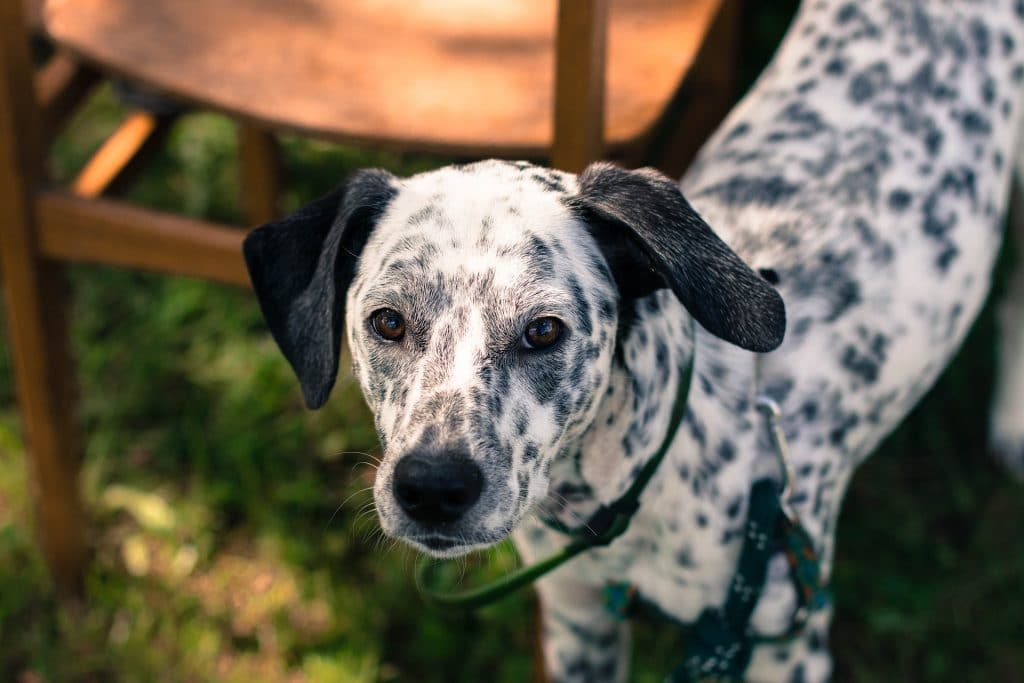
Is a Dalmatian the right kind of dog for you? There are a lot of things to consider when adding a dog to your life, so we’ve covered just about everything you’ll need to know in this in-depth breed profile.
Breed Characteristics
Key
- Low
- Medium
- High
- Origin: Croatia
- Size:
- Weight: 20-30 kg
- Activity level:
- Barking/howling level:
- Good with dogs: yes
- Good with kids: yes
- Good with cats:
- Shedding:
- Shedding: Seasonal
- Grooming level:
- Training level:
Dalmatian Appearance
Considered one of the most recognisable of ALL the breeds, Dalmatians are known for their beautifully spotted coat. Envied by all (but especially by Cruella De Vil—boo!), this coat is an essential, and lovely, aspect of their identity. Their spots are generally black or liver-coloured, with black being the most common. An interesting fact: Dalmatian puppies are actually born without spots, and they usually start to appear within 10 days of birth.
Most Dalmatians are medium-sized and weigh anywhere from 20 to 30 kg. Sleek, strong, and super-shiny, these pups are generally a good-looking bunch.
Dalmatian Personality
Dalmatians are bursting with personality—and with an abundance of energy! You just have to make sure to keep that energy harnessed in a positive way. They love to have a job and to be praised, so keeping their body and minds busy is always a great idea. They are very loyal to their family and very intelligent.
This breed is great with other dogs, and even with children, so long as they are properly socialised when they’re puppies. This early socialisation is essential because they’re a bit of a high-strung breed, so can react negatively to outside stressors (including rambunctious kids) if they aren’t taught early on how to deal with them. But if properly trained, this breed is a loyal, loving, and intelligent addition to any family.
Dalmatians are natural watchdogs with a knack for being protective and a bit territorial—and sometimes even suspicious of strangers. But they’re also natural performers (which is why they were once bred to perform in the circus), so once they warm up to you, they’re happy to entertain.
Ideal Environment for a Dalmatian
Dalmatians thrive in an active environment—ideally with someone who is athletic and committed to training from the start, with time to continually invest in them.
Dalmatians need to be kept physically and mentally active, so they thrive best in environments where they have an enthusiastic pet parent with lots of stimulating and challenging activities for them. They make great companions on jogs since they have plenty of energy, but they also love just spending quality time with their families at home as well.
Ideal Human for a Dalmatian
This breed is generally a better fit for a more experienced dog owner. Because of their sensitivity and high energy, they aren’t ideal for a first-timer, but they will mesh well with someone who likes to adventure outdoors, go for walks, and explore.
They also need a family that is able to care for them if medical complications arise later on in life, since Dalmatians do have a few health issues that tend to occur within the breed.
Dalmatian Dog Training
Since Dalmatians are full of energy and eager to please, they actually make an ideal training companion.
For this breed, training should be started early, particularly when it comes to socialisation with humans, animals, and the variety of sounds they may encounter in the world. Dalmatians learn very quickly, and can almost be too smart, since they have an uncanny ability to sometimes outsmart their people. They also tend to have that ‘puppy personality’ and energy longer than a lot of other breeds.
But by taking the time to socialise and train this breed, you’ll make them feel comfortable and safe with you as they explore the world, and they’ll gain the confidence to be the well-adjusted, well-behaved pup you know that they can be. Above all this breed really just wants to please their loved ones, and their smarts and charm mean that any effort you put into training them will be well worth it.
Dalmatian Grooming
Though Dalmatians are rockin’ a beautiful, sleek coat, they do tend to shed…all year long. They also require some maintenance to keep that fur looking gorgeous and pet-able.
One of the most important things to remember? Brushing. This breed needs their coat brushed every couple of days (though daily is even better), since they have a tendency to get mats. To prevent those tangles you need to ensure that your brush actually gets all the way through the fur to reach any mats hiding close to the skin. Some people swear by rubber curry combs (usually used on horses), or by pumice stones to help remove dead hair.
Dalmatians don’t require frequent baths—in fact, bathing them just a few times every year will help keep them clean, while also ensuring that their coat and skin stay healthy and don’t get stripped of essential oils.
Dalmatian Health
Dalmatians are a fairly healthy breed, but they do have a few possible health issues that you should keep an eye out for, including viral and bacterial skin issues, skin allergies, hip dysplasia, and a disorder that makes them sensitive to bright lights.
They also have a urinary tract that is different than other dog breeds, and in fact more similar to humans and apes. This makes them prone to bladder stones and UTIs, which means they should not eat a high-protein diet. They also need to have water readily available at all times, and should be given frequent toilet breaks and regular trips to the vet to keep them healthy.
Dalmatians are also prone to hearing problems, with 8% of them actually born completely deaf, and 20-25% born with hearing in only one ear.
Despite sometimes encountering these health issues, using a reputable breeder (if you’re using a breeder) can help cut down the possibility of your dog having these problems. Dalmatians generally live from 10 to 13 years, and with the proper exercise, food, and regular trips to the vet, your pup will have a good chance at a long and happy life.
Dalmatian Breed History
Though their exact origin is unknown, it’s believed the Dalmatians are an ancient breed. Over the years they have been bred for a variety of jobs including everything from circus performers to guard dogs.
In the United Kingdom Dalmatians were bred to be coaching dogs, where they ran alongside the horse and carriage, and then guarded the horse and carriage from predators at night. In America they were trained as heroic fire dogs, travelling with the firefighters to fires, and even running into burning buildings to locate people. They would also guard the firetrucks and horses when they weren’t in use.
It’s believed that they weren’t called Dalmatians until around 1790, though we know that this breed’s colourful, interesting history stretches back much further than that, with old paintings and artefacts depicting them and their unique spots.
Getting a Dalmatian
Dalmatian breeders
It’s always a good idea to meet the parents of your puppy, and to see how the litter interacts with each other. Also, a good, trustworthy breeder should have records of the parents’ lineage, too and should be able to tell you more about the specific mix of the litter.
If going to a breeder be sure to find one that supports early socialisation. And one that health and genetic tests including the eyes and hips of parents. Make sure you wise up on puppy mills and internet scams—following some simple steps can help avoid further funding of this terrible practice, and help you end up with a pet whose breeding and early-life experience will more reliably result in a well-adjusted dog. A good place to start when locating an ethical and responsibly bred pup is the UK Kennel Club’s assured breeder search.
Adopting a Dalmatian
As with many highly popular breeds, Dalmatians often find their way to rescue centres for a variety of reasons, including dogs being rescued from puppy mills. But often it’s the simple fact that their previous owners simply felt unable to care for them any longer, perhaps due to a change in lifestyle or health.
In fact, there are several Dalmation-specific rescues in the UK such as Dalmatian Welfare and the DAS Dalmatian Sanctuary. Dalmatians can also be found in non-breed-specific rescues around the country. Many pet owners aren’t prepared for their high energy. And this breed also gained popularity from the Disney film, 101 Dalmatians, with many families running out to get one of these pups, but not being well-equipped to care for them.
A Dalmatian can make for a wonderful friend and they’re sure to be a source of joy, with plenty of laughs and perhaps a little bit of mischief along the way. Surrendered dogs are often already well-trained and neutered and simply in need of a new, loving home, so rescuing is always a wonderful option.
Whether you’re planning on adopting or finding a breeder to find a puppy, prepare yourself, your home and your heart to welcome a dog with plenty of personality and energy.
More on Dalmatians
If you’re simply in love with Dalmatians, then you’ll be craving what we’ve got for you next: