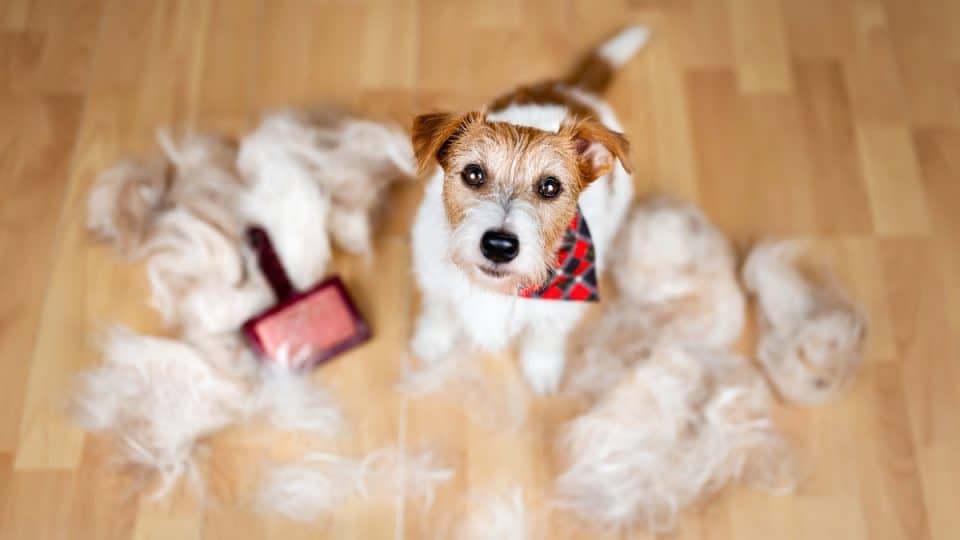
There are lots of great things about having a dog—but for most pet parents, cleaning up pet hair isn’t one of them. Some pups get away with just a little seasonal shedding, while others produce regular fur tumbleweeds.
Breed is a big factor. Double-coated dogs, such as Siberian Huskies and German Shepherds, shed a lot, especially at the turn of a season. Single-coated breeds like Pitbulls, on the other hand, may lose less fur but shed year-round.

Other reasons dogs shed include seasonal changes and age. Temporary factors like medication side effects, pregnancy, bathing, and stress can also cause a dog to shed more than usual. Conditions like dehydration, poor diet, allergies, and parasites are also potential culprits.
While you can’t entirely stop dog shedding, there are some steps pet parents can take to reduce the overall amount. To learn more, we spoke with Vicki Doyle, a professional dog groomer and founder of Dirty Bertie with over a decade of experience in the grooming industry.
Brush Every Day
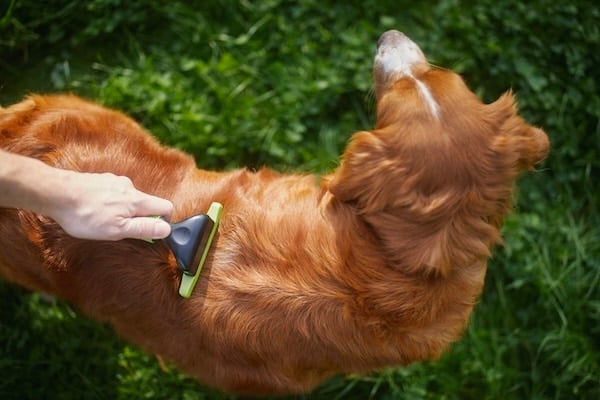
Brushing your dog helps control shedding by removing loose hair. “I recommend giving your dog a light brush every day during shedding season,” says Doyle. “The longer the gap between brushing, the harder it will be, the longer it will take, and the higher the chances of your dog becoming stubborn,” she explains.
It’s a great idea to start practising when your pup is young, including brushing as part of your handling and socialisation process. As for your own technique, Doyle recommends keeping the brush moving, even if you’re seeing clumps. “Don’t just keep going over the same spot, as this can irritate your dog’s skin,” she cautions.
Here are some of the best deshedding brushes for a variety of dogs:
- Regular combs are excellent for removing tangles and mats (especially on wet hair after a bath). They help prevent loose fur for both long- and short-haired dogs.
- Deshedding brushes work wonders for heavy shedders and during blowout seasons. Deshedding brushes, such as the Furminator, feature fine teeth that help reach your dog’s undercoat, removing loose fur without irritating their skin. These brushes can be used once or twice a week as needed.
- Undercoat rakes are also one of the best deshedding tools for dogs, especially super shedders with double coats. These brushes typically feature a single row of metal pins that gently remove loose hair and debris from underneath your dog’s coat. They can be used daily for heavy shedders.
- Slicker brushes are recommended for dogs with double coats, such as Labradors and Golden Retrievers. Doyle notes these brushes remove the dead coat under the top layer of fur. They’re also gentle enough for daily use.
- Silicone brushes or grooming gloves work to stop dog shedding among smooth-coated breeds (Dalmatians, Boxers, and French Bulldogs, etc). These grooming tools can be used during or after bath time.
Chalabala via iStock
Bathe Once Per Month With Conditioner
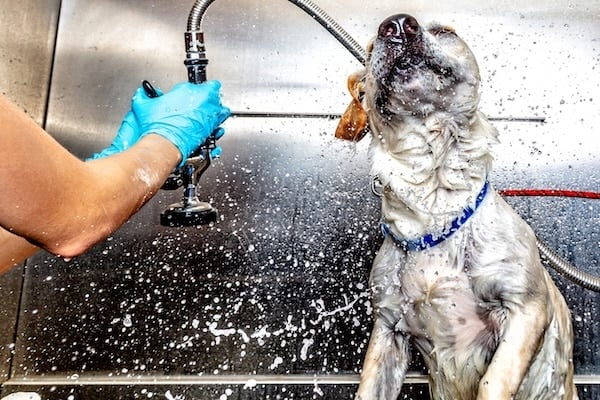
Giving your dog a bath helps loosen and rinse away dead fur. But you shouldn’t do it too often. “I wouldn’t bathe more than once every four weeks, as this can wash away the natural oils in their coat that keep it healthy,” says Doyle.
When bathing your dog, look for quality dog shampoos that are gentle on your pup’s fur and skin, and avoid those with strong perfumes or unpleasant scents.
Doyle recommends conditioning your pup’s fur as well. “If you’re bathing at home, applying a conditioner,” she says. “Brushing your dog with the conditioning still in their coat will help to remove more fur than just giving them a regular bath.”
Blow Dry Double-Coated Dogs
Blow drying can help control shedding for certain breeds—if it’s strong enough. “For double-coated breeds, like Huskies, Collies, and Sheepdogs, a regular hair dryer won’t be powerful enough to remove the loose undercoat,” Doyle explains.
You’ll need a high-velocity dryer designed specifically for dogs. “Nothing will be more effective than blasting the dead fur out of their coat with a high-velocity dryer,” she adds.
To get your pup used to a blow dryer, do so gradually. Start with the dryer turned off, and let your dog sniff and investigate it. Next, turn it to a low, cool setting and turn it on. Gradually increase the speed and heat while giving your dog lots of tasty treats and praise for being so brave.
Review Diet & Supplements
A healthy, well-balanced diet may also help with excessive shedding. When selecting a dog food, opt for one that’s high in essential nutrients and prioritises skin and coat health, typically with omega-3 and omega-6 fatty acids. These can help reduce inflammation, which in turn promotes healthy skin.
Keeping your dog hydrated is also essential in helping to prevent excessive shedding. Dehydration can cause dry skin, which may lead to increased shedding.
Supplements like fish oil and flaxseed are good sources of omega-3 and omega-6 fatty acids. Zinc and biotin can also help with shedding. When switching up or adding to your dog’s diet, always consult your veterinarian first to ensure it’s a safe change for your pup.
Visit the Groomer
One of the best things to help stop dogs from shedding is to take them regularly to a professional groomer. Doyle advises taking your dog to the groomer when their coat has blown, as they’ll be able to easily remove the fur.
“Professional dog groomers have high-velocity dryers that can blast it out. You might be shocked at how much coat this removes,” she says. “The pile of fur can often be as big as the dog!”
How often your dog should go to the groomer will depend on their breed and coat type. Dogs with undercoats or long hair should usually go to the groomer every four to six weeks, while short-haired dogs can go every eight to 12 weeks.
adogslifephoto via iStock
What Not To Do
Staying on top of shedding can be exhausting, and you may need to try different de-shedding methods before finding one that works best for you. To help you avoid common mistakes, however, here are a few things you should never do to stop a dog from shedding.
Shaving
You should never shave your dog, especially if they have a double coat. “Their coat keeps them cool in the summer and warm in the winter,” said Doyle. “Shaving will ruin their temperature regulation, and it might not grow back properly.”
Overbathing
Bathing too much can cause skin irritation and remove healthy oils from your dog’s coat. Doyle also advises against using human shampoos on your dog. Since dogs and humans have different pH values, products are formulated differently. “Human shampoos are far too harsh for dogs and can cause skin irritations,” she says.
Aggressively brushing
Doyle also warns against being too aggressive when brushing. “Brushes are excellent when you use them properly, but applying too much pressure or brushing the same spot can cause pain and irritation,” she says. “Brush often, but gently.”
Diet changes without vet approval
As noted above, you should never make diet changes or add new supplements to your dog’s diet without consulting your vet first. They’ll be able to review your pet’s history, and together you can determine what additions are best for your pup’s health.
When To See a Vet
Excessive shedding can sometimes be a sign of a more serious issue, such as allergies, anxiety, a nutrient deficiency, or a side effect of medication. Signs that there may be an underlying health issue include:
- Sudden increase in shedding
- Thinning coat or hair loss in patches
- Skin irritation: redness, bumps, rashes, and sores
- Open sores
- Excessive scratching
- Lack of energy
If your dog is suddenly shedding more than usual and is exhibiting any of these signs, schedule an appointment with your vet to have your pup checked out. Getting expert help will point you in the right direction.