The emotions dogs experience aren’t as complex as the ones humans experience. When dogs are stressed or uncomfortable, these feelings can show up as subtle changes in behaviour that suggest unhappiness. For example, your dog might eat less, sleep more, or have less interest in playtime.

Dogs can experience low moods due to common changes, from boredom to life transitions—and in most cases, unhappiness isn’t a medical emergency.
However, it’s always important to trust your instincts and check in with your vet if you feel like there could be a more serious issue, according to Dr. Jeff Feinman, vet and founder of Holistic Actions and author of Path to Pet Wellness.
Read on to learn the signs your dog may be unhappy, possible causes, and when you should contact your vet. We’ll also share some steps you can take to help improve your dog’s mood.
Signs Your Dog Is Upset or Unhappy
If you’ve noticed changes in your dog’s behaviour or body language, paying attention to those changes can help you understand what your dog may be feeling. Some signs that can point to discomfort and distress include:
- Aggression: Growling, snapping, or other aggressive behaviours can signal frustration, stress, or discomfort.
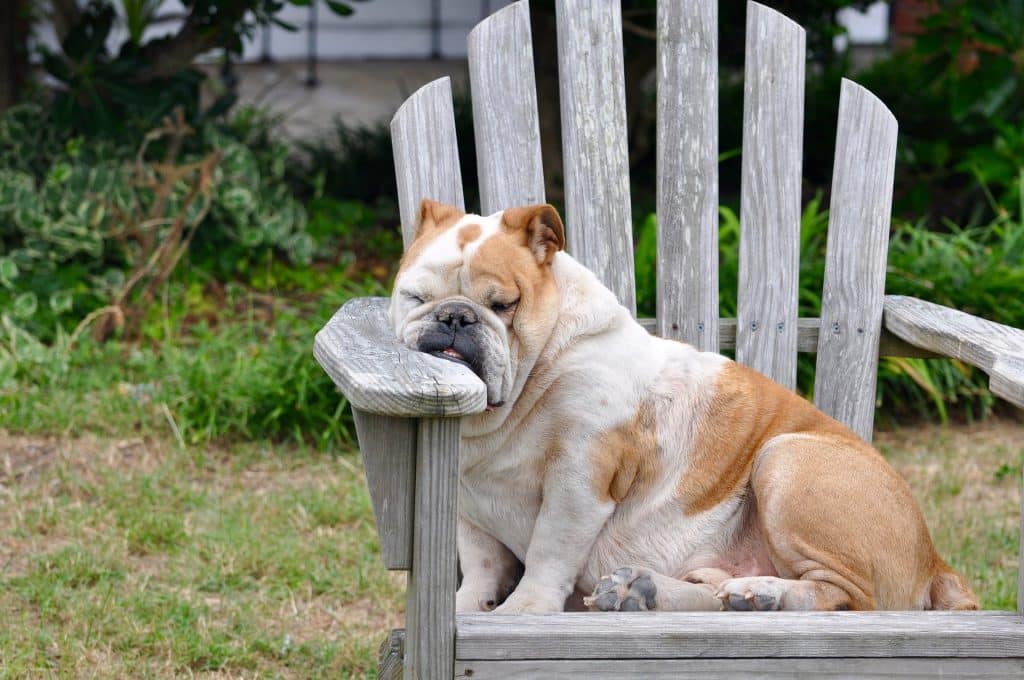
- Lethargy: Sleeping more than usual or low energy can point to unhappiness or underlying health issues.
- Changes in eating and drinking: Eating or drinking significantly more or less than usual may signal stress or a dislike for their food.
- Decreased interest in activities and playing: Less enthusiasm in regular activities can suggest stress or a desire for new activities or routines.
- Excessive grooming: Dogs may lick or scratch themselves more than usual in response to stress, anxiety, or a skin condition.
- Constant pacing: Restlessness or repetitive pacing can suggest agitation or nervousness.
- Ears pulled back: Unusual body language, like pinned-back ears, often signals discomfort, fear, or unease.
- Less affection than usual: A dog that suddenly withdraws from cuddles or interaction may be upset or experiencing a medical issue.
- Vocalisations: It’s natural for dogs to whine, bark, and make other sounds, but excessive or unusual vocalisations often suggest some type of distress.
- Weight fluctuation: Sudden weight loss or gain can be linked to changes in appetite caused by a medical condition or a change in food preference.
Possible Causes of Unhappiness in Dogs
Some causes of sadness in dogs are temporary and generally improve in a day or two, with proper adjustments, explains Dr Michelle Dulake, veterinarian and co-founder and CEO of Fera Pets.
When making changes, pay attention to what your dog enjoys and what causes stress so you can work with their individual preferences.
Boredom
Dogs who don’t get enough mental stimulation and physical activity may seem sad or restless.
Regular walks, playtime, and puzzle toys can go a long way toward helping ease boredom.
Changes in routine
Dogs thrive on predictability, so shifts in meal times, walks, or your work schedule can leave them feeling unsettled.
Try to keep their routine as consistent as possible—and if you have to make changes, making them gradually can help your dog adapt more smoothly.
Loneliness
Dogs are social animals who may feel neglected if left alone for long periods. If you think your dog could be feeling lonely, prioritise time to bond with them.
You could also consider hiring a dog sitter or planning puppy playdates if they get along well with other dogs.
Environmental stressors
Changes in your dog’s environment, like a new home, house guests, or loud noises, can temporarily affect their emotional state. Providing reassurance and a calm atmosphere, like a cosy bed in their favourite room, can help ease their stress.
Diet or hunger
Sudden changes in your dog’s food or not enough food can cause lethargy or irritability.
Providing your dog with a balanced, tasty diet can help support their well-being.

Medical causes
Sometimes unhappiness and discomfort don’t just stem from your dog’s mood. Medical issues can also play a role in how your dog feels.
Dr Dalake explains that dogs can have “off days” just like people, and a dog who seems upset for a day or so may be just fine. However, if the changes in their mood seem to linger or get worse, it’s best to consult a vet to rule out illness, injury, or pain.
Some signs your dog may have a health concern include:
- Loss of appetite: Refusing to eat for more than 24 to 48 hours.
- Lethargy or weakness: Sleeping much more than usual, seeming reluctant to move, or less interest in favourite activities.
- Physical changes: Unexpected weight loss, limping, coughing, vomiting, or diarrhoea.
- Behavioural shifts: Sudden aggression, withdrawal, or hiding.
- Excessive vocalisation or restlessness: Whining, pacing, or other signs of pain or distress.
What To Do if Your Dog Is Upset or Unhappy
If you think your dog’s unhappiness might relate to a medical issue, it’s important to make an appointment with your vet so they can make a diagnosis and recommend the right treatment.
If your dog is upset for other reasons, you can do a lot to help them at home.
Dr Feinman emphasises that it’s important to let dogs be dogs and respect their needs and preferences. Dr Dulake also shares these simple yet effective tips to boost your dog’s overall well-being:
- Fun exercise: Try adding variety with longer walks, time to explore off-leash, and new activities like fetch or agility to help burn energy and improve mood.
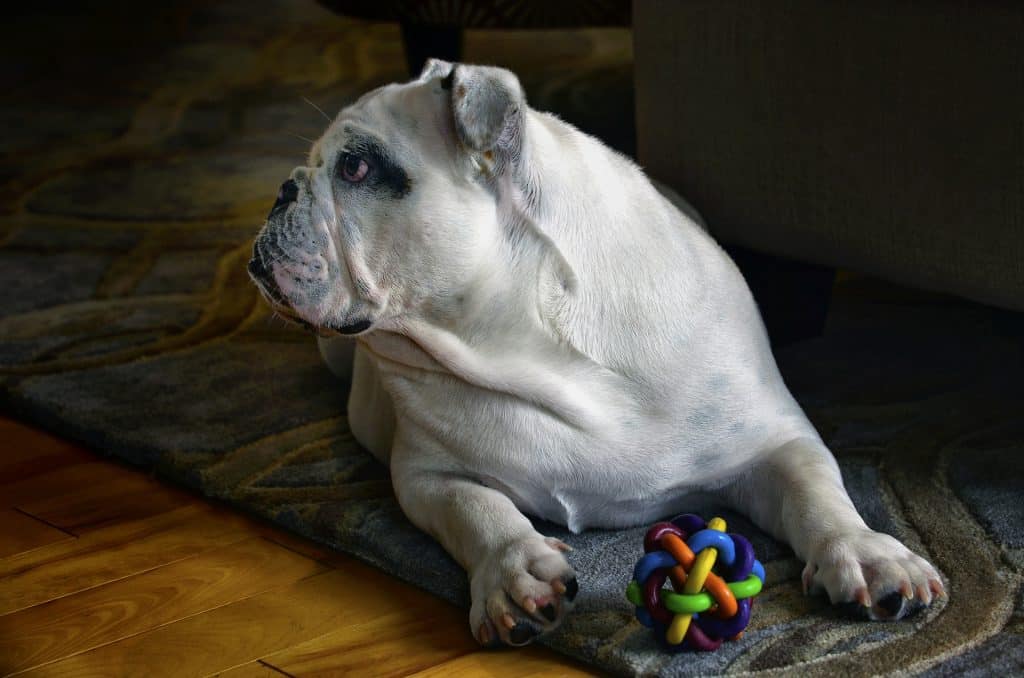
- Mental stimulation: Puzzle feeders, training games, and interactive toys prevent boredom and keep their brains active.
- Bonding time: Quality moments together through touch, grooming, or simply relaxing can help you keep your dog from feeling neglected. These positive interactions also release oxytocin, a hormone linked to comfort and emotional well-being.
- Routine and consistency: Regular feeding, walks, and sleep reduce stress and provide comfort.
- Socialisation: Safe, positive exposure to other dogs or new environments can help dogs feel more confident and excited.
- Enrichment: Rotating your dog’s toys, offering safe chews, or teaching them new tricks can help keep daily life interesting and fun.