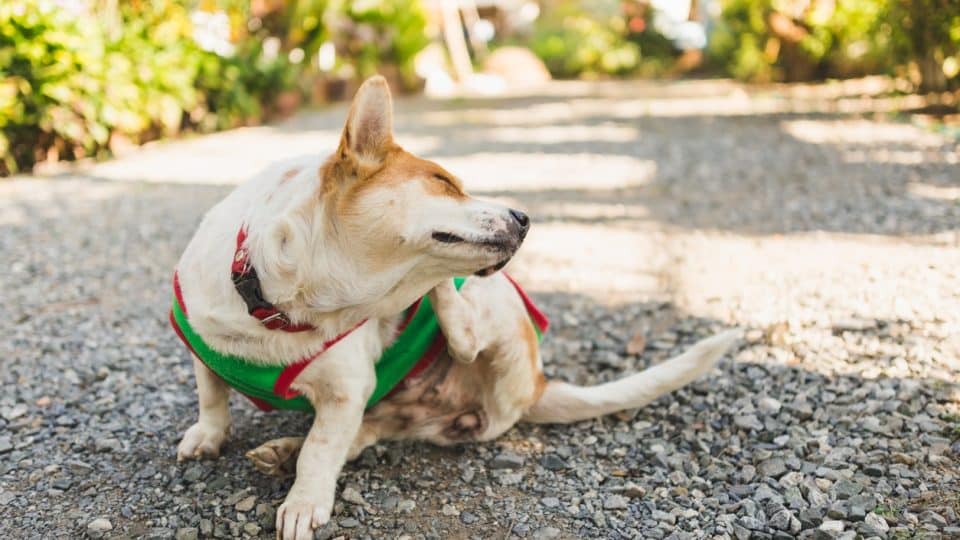
Yeast infections are a common skin and ear issue in dogs. They can cause itchiness, reddened skin, and an unusual odour.

Dogs develop yeast infections, or Malassezia dermatitis, due to an overgrowth of Malassezia pachydermatis. This is a type of yeast that naturally lives on a dog’s skin, says Dr Eliza O’Callaghan, managing veterinarian for Small Door Vet.
When moisture, allergies, or hormonal disorders disrupt the skin’s normal barrier or immune defences, this yeast can multiply and trigger an infection, Dr O’Callaghan says. Mild yeast infections may clear up on their own within a few days. If your dog’s symptoms get worse or stick around for more than a few days, you’ll need to take them to the vet for diagnosis and treatment.
Read on to learn how to recognise a yeast infection, how to treat it at home, and when to seek help from your vet.
Signs and Symptoms of a Yeast Infection
“Yeast infections typically present as greasy or oily skin,” explains Dr Kathryn Dench, a holistic and integrative veterinarian and Chief Veterinary Advisor at Paw Origins. She adds that a dog’s skin might also become red and inflamed with crusty, flaky patches.
They can also cause a noticeable musty odour, adds Dr Dench.
Yeast infections can affect any part of a dog’s body, but they most commonly show up in a few specific areas.
Here are some common symptoms of yeast infections based on their location.
Signs of a yeast infection on the skin
Yeast infections on the skin often appear in warm or moist areas, such as skin folds, the armpits, the groin, the vulva, and the belly.
Common signs of skin yeast infections include:
- Spots of pink, red, or darker skin
- Greasy skin
- Patches of dry, flaky skin
- Excessive scratching
- Patches of thicker skin
- Hair loss
- Redness and irritation
Signs of yeast infection in the ears
The L-shape of a dog’s ear canal creates the warm and damp environment that yeast loves.
Common signs of an ear yeast infection include:
- Brown, dark red, or yellow discharge
- Swelling, irritation, and redness
- Frequent head shaking
- Rubbing of the ears and head
- Scratching
Signs of a yeast infection on paws
Dampness and dirt can easily get trapped between a dog’s paw pads. This creates an ideal environment for yeast to grow.
Common signs of a paw yeast infection include:
- Excessive licking and chewing of paws
- Hair loss
- Red, irritated skin
- Brown or pink staining

Signs of a tail yeast infection
The base of the tail and the surrounding area can trap moisture and debris, making it another prime spot for yeast overgrowth.
Common signs of tail yeast infections include:
- Greasy or oily fur near the tail base
- Red, irritated, or inflamed skin
- Hair loss around the tail area
- Frequent licking and biting of their bum, or dragging it along the ground
- Musty odour coming from the rear
Common Causes of Yeast Infections
Yeast naturally lives on a dog’s skin without causing any problems, but yeast is opportunistic. When the skin’s natural balance is disrupted, yeast can multiply rapidly, leading to an infection.
According to Dr O’Callaghan, the most common triggers include:
- Allergies: Food, environmental, and flea allergies can inflame the skin, weaken its defences, and increase skin oil production, creating an ideal environment for yeast growth.
- Moisture build-up: Areas like skin folds, ears, and between the toes create warm, damp environments where yeast thrives.
- Skin parasites: Skin parasites, such as fleas and mites, can cause intense itching, leading dogs to scratch excessively. This constant irritation can damage the skin’s protective barrier and increase the risk of infection.
- Underlying skin conditions: Skin concerns like seborrhea can alter the skin barrier and lead to excessive skin oil production.
- Water in the ears: Moisture from baths or swimming can get trapped in the ear canal, especially in dogs with floppy ears. This creates the perfect environment for a yeast infection to develop.
- Hormonal imbalances: Disorders such as hypothyroidism or Cushing’s disease can affect the skin’s defences.
- Weakened immune system: A weakened immune system due to age or illness can make it harder for your dog’s body to keep yeast levels under control, which can raise the risk of overgrowth.
- Medications: Overuse of antibiotics or immunosuppressants can disrupt the normal microbial balance on the skin, allowing yeast to take over.
Additionally, some dogs are more prone to yeast overgrowth due to genetic or skin-related factors. Dogs with a higher risk of recurring yeast infections include:
- Breeds with skin folds: Examples include Bulldogs, Pugs, Shar-Peis, and Basset Hounds.
- Dogs with floppy ears: Examples include Cocker Spaniels and Golden Retrievers.
- Senior dogs: These dogs may have a slower or weaker immune response.
How To Treat a Yeast Infection at Home
“Mild yeast infections may be managed at home, especially if they’re caught early,” Dr O’Callaghan says. However, she says it’s still important to consult your vet to confirm the diagnosis and discuss appropriate treatment.
For mild infections that only affect one area, at-home treatment may include:
- Topical treatments: These include shampoos, wipes, sprays, ointments, or ear drops containing antifungal agents, such as miconazole or chlorhexidine, Dr O’Callaghan says.
- Keeping the area dry: Dr O’Callaghan says moisture management is key, especially in dogs with skin folds or floppy ears.
- Vinegar rinse: A diluted apple cider vinegar rinse (typically one part vinegar to 1-2 parts water) may help restore skin pH and inhibit yeast growth. Avoid applying this rinse to open sores or broken skin, as vinegar can sting.
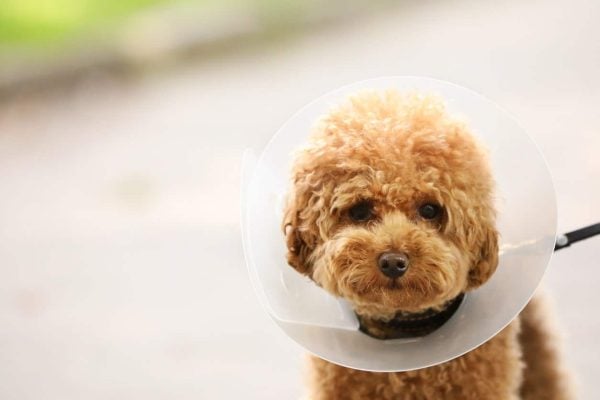
Note: You may need to use a Buster collar to keep your dog from licking off the topical treatment.
What Will a Vet Prescribe for a Yeast Infection?
For more persistent, severe, or widespread yeast infections, your vet may prescribe oral antifungal medications. Examples of antifungal medications include ketoconazole and itraconazole. Your vet may also prescribe a topical treatment to relieve the itch.
Additionally, because yeast infections often occur with an underlying issue, your vet may perform diagnostic tests to identify the underlying cause and recommend a long-term management plan.
With proper treatment, most yeast infections typically clear up within a few weeks. However, severe cases may take several weeks or even months to resolve completely.
How To Prevent Yeast Infections
“Preventing yeast infections is all about managing the underlying risk factors,” Dr O’Callaghan says.
According to Dr O’Callaghan, yeast infection prevention may include:
- Managing allergies: Work with your vet to identify and treat food or environmental triggers.
- Keeping skin clean and dry: Regularly clean and dry ears, paws, and skin folds, especially after baths or swimming.
- Bathing regularly: Bathe your dog consistently with a vet-approved, hypoallergenic shampoo.
- Maintaining flea, tick, and mite prevention: Monthly oral or topical preventatives are recommended to protect your dog from parasites that can irritate the skin.
- Watching for early signs: Itching, odour, or greasy skin can signal yeast overgrowth. Prompt treatment can help stop it from developing into a more serious infection.
- Scheduling routine vet visits: Regular checkups can catch skin or hormonal issues that increase your dog’s risk of yeast infections.
Frequently Asked Questions
How do I know if my dog’s ear infection is yeast or bacterial?
Yeast infections smell musty and produce brown wax. Bacterial infections often smell worse and cause pus. A vet can examine ear debris to confirm the cause and prescribe the proper treatment.
What causes yeast build-up in dogs?
Yeast can build up due to factors such as allergies, trapped moisture, poor hygiene, or a weakened immune system. These factors disrupt skin balance, allowing yeast to grow unchecked.
What should I feed a dog with a yeast infection?
Changing your dog’s diet won’t prevent or cure a yeast infection. However, if your vet identifies a specific food allergy as the underlying cause, switching to a food without this ingredient may relieve their symptoms.
How do I get rid of a yeast infection in my dog’s ears?
Use a vet-approved ear cleaner and antifungal ear drops. Keep ears dry and clean, especially after baths or swimming. Make an appointment with your vet to get a diagnosis and treatment for the underlying causes and prevent the yeast infection from coming back.