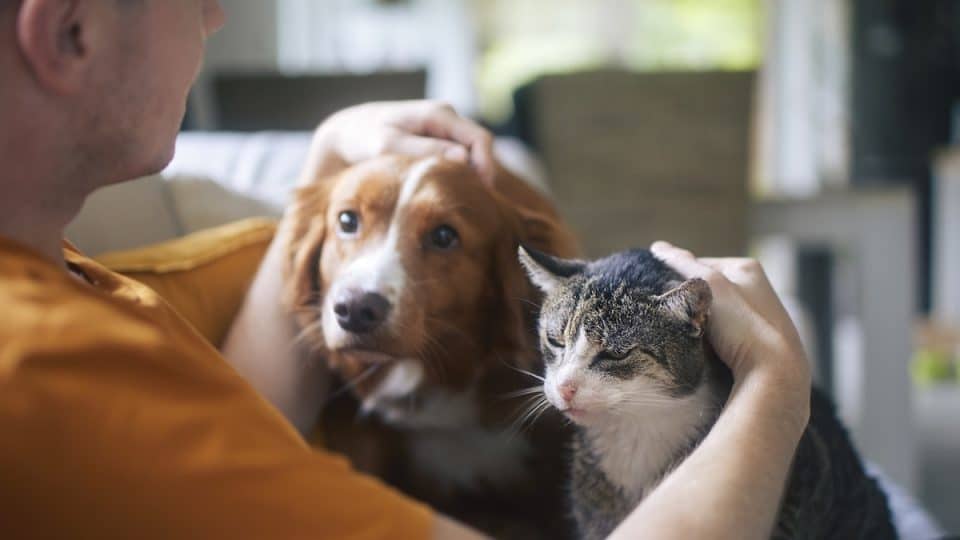
Your pet deserves love and attention, especially when you’re away! Whether it’s a busy day or a week-long holiday, having a trusted sitter offers peace of mind that your furry friend is in good hands.

Pet sitting comes in all shapes and sizes, from quick drop-in visits to overnight stays that include full-time care and attention. The type of service you choose will vary depending on how long you’ll be away from home and your pet’s unique needs.
Here’s what different care options look like, plus how to know which is the best fit for you and your pet.
Types of Pet Sitting Services
From independent cats to energetic pups, every pet has unique needs. Choosing the right kind of care can keep tails wagging and whiskers happy the next time you’re away from home.
| Service Type |
Definition
|
Responsibilities
|
Ideal Client
|
Typical Cost
|
| Pet Sitting | A broad term for the pet care services sitters provide while a pet parent is away | Keeping a pet safe, healthy, and cared for | Dog or cat parents | Costs may vary depending on type of service, duration of service, type of pet, and location |
| House Sitting |
A sitter stays in your home to look after the house and care for your pet(s) while you’re away
|
Providing fresh food and water, walks, playtime, and light household chores (such as watering plants)
|
Multi-pet households, anxious or reactive dogs, puppies, pets with medical conditions, outgoing cats
|
£31 to £55 per day
|
| Home Boarding | A licensed sitter who cares for your pet overnight in their own home | Providing fresh food and water, outdoor and indoor playtime, walks, access to a comfortable place to sleep in a home environment | Well-trained dogs who enjoy socialisation, pets who prefer a domestic home environment over a commercial facility | £30 to £50 per day |
| Kennel Boarding | A commercial facility or pet hotel that cares for pets overnight in dedicated housing or runs | Providing fresh food and water, structured outdoor/indoor exercise, feeding routines, secure overnight accommodation | High-energy dogs, dogs comfortable in busy facility settings, or pets needing secure individual runs during peak holiday periods | £30 to £50 per day |
| Dog Day Care | A facility or in-home service that provides care and enrichment during the day | Providing fresh food and water, outdoor and indoor playtime | Dogs left alone during a long workday, dogs who enjoy socialisation | £25 to £30 per day |
| Drop-In Visits | A 30- or 60-minute visit from a sitter to check on a pet’s well-being and provide them with basic care | Providing fresh food and water, toilet breaks, a clean litter tray, cuddles and playtime | Dogs who need an extra toilet break during the day, cats | Around £20 per 30-minute session |
| Dog Walking | A 30- or 60-minute walk with a pet sitter to provide a dog with exercise and outside time | Walking a dog to provide exercise and a toilet break | Dogs who need an extra toilet break during the day, dogs who benefit from added physical activity during the day | £12 to £25 per walk |
Pet Sitting
The term “pet sitting” covers a wide range of pet care services, from dog walking to house sitting. A sitter’s responsibilities might be as simple as refreshing a pet’s food and water, and can be as complex as providing round-the-clock care to a senior pet with medical needs.
Whether your dog requires an additional walk during the workday or your cat needs overnight care while you’re away, pet sitters offer great support when you can’t be at home.
House Sitting with Pet Care
If you’re leaving on an extended trip or your pet needs consistent, one-on-one attention, house sitting can offer peace of mind while you’re away. A house sitter not only cares for your pet but may also help keep your home safe and maintained in your absence.
Services may include:
- Daily meals
- Dog walks and/or letting the dog outside
- Cleaning a litter tray
- Pets and playtime
- Administering medication
- Light household tasks such as watering plants or collecting the post
This option is ideal for pets with medical needs, multi-pet households, and cats (who often prefer to stay in a familiar environment). Unlike a drop-in visit, where the sitter simply pops over to the house once or twice a day to check in, housesitting requires an overnight stay. It’s also a good option for pet parents who don’t want to navigate home-boarding licensing, as house-sitters don’t have the same requirements.
For high-needs pets, consider opting for a pet sitter who does house sitting rather than a standard house sitter who might sometimes look after pets.

AnnaStills via iStock
Pet Boarding
Boarding your pet overnight is a popular option for those who travel.
Kennel Boarding and Other Professional Facilities
Kennels, pet hotels, and other professional boarding facilities have a rotating staff that cares for dogs at all hours. Anyone running a business that hosts dogs during the day or boards them overnight will need a licence issued by the local council.
Social dogs that enjoy new people and pups may thrive at a boarding facility.
Home Boarding
You might also choose to board your dog at a sitter’s home, where they can receive ongoing love and care. Pets who prefer solitude and senior dogs may find this a challenge. If you’re boarding your pet with a sitter, it’s important to ask about resident animals in the home as well as other boarders.
Services may include:
- Daily meals
- Outdoor and indoor exercise
- Playtime with other pets
- Administering medication
- Comfortable spots to lounge and sleep
- Add-on services such as grooming, baths, and swimming
Since cats traditionally prefer their own home and may become stressed with other pets, it’s usually best to avoid boarding for feline companions.
Dog Day Care
Whether you’re bogged down at the office or enjoying a day trip, chances are your dog will crave extra attention when you’re not around. Day care gives your pup the chance to play, socialise, and be cared for during busy days. Unlike boarding, day care is not an overnight service; it requires a drop-off and pick-up on the same day.
Services may include:
- Outdoor and indoor exercise
- Playtime with other pets
- Add-on services such as grooming, swimming, and training
In addition to professional dog day care facilities, some pet sitters offer in-home day care too. This can be a good option for pets who might do better in smaller groups or calmer home environments. Puppies especially may benefit from the socialisation offered by in-home day care and boarding.
Both types of services require an Animal Activity Licence. However, these differ slightly: Licensed day care facilities have strict staff-to-dog ratios, mandatory quiet zones, and licensing limits. Informal day care in a sitter’s home often falls under home boarding regulations.
Drop-In Visits
Quick drop-in visits are an efficient way to give your pet some love on longer days. During a drop-in, a sitter will stop by for a visit (lasting 30 or 60 minutes through Rover) once or twice a day. For dogs, this might include a toilet break, some playtime, and fresh food and water. For cats, it may mean fresh food and water, a clean litter tray, and pets.
Services may include:
- Daily meal(s)
- Letting dog outside
- Cleaning litter tray
- Playtime and pets
- Add-on services such as dog walking or additional time (i.e., upgrading from a 30-minute visit to a 60-minute visit)
While this option might suit dog parents who are just away from home for a couple of extra hours, drop-ins are a great option for cat guardians who are gone for a few days. Easygoing, healthy adult cats are usually just fine with care once a day to ensure they have access to fresh food and a clean tray. Senior cats and kitties with health issues, however, tend to benefit from house sitting.
Dog Walking
Adopting a dog is a big commitment, and maintaining a consistent walking routine can be difficult when life gets busy. Fortunately, professional dog walkers help ensure your pup gets the exercise they need in your absence. Unlike a drop-in visit, which focuses on basic care (i.e., food and toilet breaks), dog walking is all about keeping your pet active.
This service typically includes a long walk, though some sitters may also offer extra options like providing meals or playtime. Keep in mind that some dog walkers handle multiple dogs at once, so if your pup prefers solo attention, be sure to choose a one-on-one walker.

sutan abraham via iStock
Choosing the Right Type of Service
The duration you need pet care, along with your pet’s specific needs, will determine the type of service that works best for you. Some pet parents only use sitters occasionally (such as while they’re on holiday), while others rely on regular care through dog walking or drop-in visits. Depending on your pet’s temperament, routine, and health, certain types of pet care may work better than others.
Cats
Generally, cats are creatures of habit, which means they can become stressed and anxious at any sign of change. It’s usually best to keep a cat in their own environment, which means hiring a house sitter or drop-in sitter for your cat. Certain cats may be okay to board at a cat-specific facility or in the quiet, pet-free home of a trusted sitter.
Puppies
Leaving your puppy is no easy feat! While some pups are just fine staying at a boarding facility by 4 to 6 months of age, others may find a kennel overwhelming. You might consider hiring a house sitter to stay with your puppy if you plan to be away from home for a longer duration, or try out dog day care to help teach positive socialisation.
Shy and anxious dogs
Being away from an anxious dog can be stressful for both human and canine. Before booking an overnight stay, consider how your dog handles new people, pets, and environments. Visiting a boarding facility and speaking with the staff can help you determine if it’s a good fit. If your dog prefers familiar surroundings, hiring an in-home sitter may be a better option.
Reactive and pet-selective dogs
A reactive pup, or one that struggles with other pets, may fare best with one-on-one care. This can include booking a pet sitter to stay in your home if you’re travelling, or ensuring that your dog walker knows your dog’s specific triggers before taking them for a stroll.
High-energy dogs
Social, high-energy dogs will have a field day playing with other pups at day care. These dogs often enjoy the excitement of boarding overnight at a facility or in a sitter’s home. However, even the most outgoing dogs benefit from proper socialisation and basic training before being placed in a multi-pet environment.
What Is An Animal Activity Licence?
In the UK, the law protects your pet by requiring anyone who operates a commercial home boarding or day care business to take out an Animal Activity Licence (AAL). Local authorities regulate AALs in line with the Animal Welfare Regulations.
These licences last for one to three years. Businesses are also awarded a star rating from one star to five stars based on how closely their facilities comply with regulations and how experienced they are.
While dog walkers and house sitters don’t need a licence, they should still hold public liability pet care insurance to protect your pet and your belongings.
When you’re booking home boarding or day care, ask to see their council licence number and star rating. This should help you ensure that they have the licence they need and give you an idea of how closely they meet their obligations.
Choosing a Professional Pet Sitter
It can feel daunting to trust someone new with your pet. Platforms like Rover offer a plethora of certified sitters, each with a different set of skills or certifications. Though location and rates are important when finding the right sitter, it’s important to look into the following too:
- Check a sitter’s profile for a certified background check and any specific pet-care licensing/certifications
- Look for reviews from pet parents with similar pets, and don’t be afraid to ask for references!
- Request a Meet & Greet with a sitter before booking to assess their willingness to get to know your pet, as well as how your pet responds
It can feel like a lot of work to find just the right care fit for your pet—but figuring out just what they need is worth it for the peace of mind of knowing your pet is in good, loving hands.