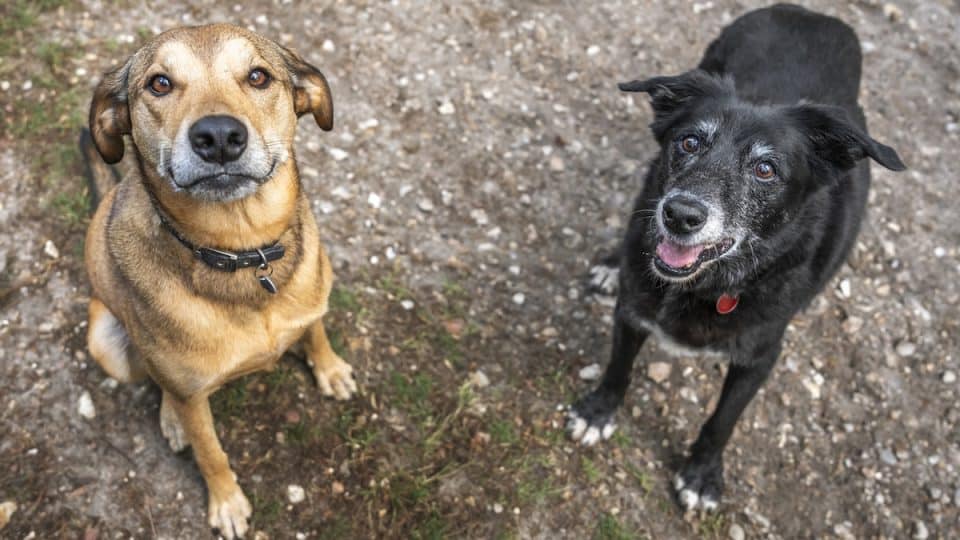
For pet parents, travelling often involves weighing the best care options for our pups while we’re away, especially when it comes to boarding for senior dogs. While young, sociable pups often do well with traditional kennels or longer stays at doggy daycares, these active environments might be too much for older dogs, especially if they’re dog-selective or have medical issues.
Dr Aimee Warner, resident veterinarian at Waggel, advises pet parents to assess their senior’s individual needs before deciding whether to board their dog. “If your older dog is quite friendly, laid-back, and has coped with new experiences fairly well in the past, kennel or home boarding might be something you can manage,” she points out. “But if they have ongoing medical-, mobility-, or stress-related issues, you’ll have to consider it very carefully.”

In this article, we’ll discuss what to look for in a facility, how to do a trial run before you commit, and how to know if your senior dog is a good candidate for boarding in the first place. We’ll also offer alternatives to consider if they’re not!
What To Look for in a Boarding Facility for Senior Dogs
When choosing a kennel or home boarding facility, look for places that can meet the needs of older dogs. That means staff who are knowledgeable about the type of care senior dogs require and an environment where your older pup can comfortably socialise, eat, exercise, rest, and take bathroom breaks.
Essentially, you’ll want a place that can maintain your dog’s usual routine as much as possible while keeping them safe and content. According to the RSPCA, older dogs thrive on a predictable routine. Here’s what to look for.
Senior-friendly accommodations
As dogs age, they’re more prone to developing health issues. Their bodies don’t work the way they used to, which can lead to joint pain, reduced bladder control, and difficulty regulating body temperature. If they’re in pain, they may also have a lower tolerance for boisterous dogs and need plenty of space to retreat.
Under Animal Activities Licence laws, if a home boarding facility or kennel accepts senior dogs, it must provide (and adapt, if necessary) an environment that meets their health and safety needs. Requirements include:
- Non-slip floors in kennels, or a “safe, clean, and hazard-free” environment for home boarding
- A quiet rest area away from other dogs
- Accessible areas for toilet time
- Comfortable, orthopaedic bedding and resting spots
- A climate-controlled environment
- Staff trained in safe animal handling who can adapt exercise, mobility routines, and physical assistance to the dog’s needs
As a bonus, a home or kennel will have an accessible layout with features like dog ramps instead of steep stairs. However, this isn’t a statutory requirement under licensing laws.
Medication management
A lot of senior dogs take medication, so you’ll want to ensure that the staff has the necessary training and expertise to administer the correct doses on schedule. The staff should also be well-trained in identifying discomfort, sickness, and behavioural changes.
Senior-friendly facilities should:
- Be familiar with administering medication to dogs, especially if dogs need injections or special handling (e.g., hiding pills in a bit of food). However, if dogs need injections, AAL requirements dictate that staff must be specifically trained in that procedure or have written permission or protocol from a pet parent.
- Have a system to document when they administer doses
- Have a protocol for alerting pet parents of any health or behavioural changes
All-day care available
Emergencies can happen at any time, but senior dogs are more vulnerable, as they typically have reduced mobility and are more sensitive to environmental changes. Home and kennel boarding for senior dogs should include around-the-clock monitoring and a clear emergency protocol, including:
- Experienced staff with a reasonable dog-to-employee ratio (25:1 for kennels, 10:1 for home boarding)
- An on-call veterinarian or vet access in case of medical emergencies
- Emergency plans for unforeseen power outages and natural disasters
For kennels, having an optional person on-site isn’t mandatory but can instead be an optional higher standard for attaining a 4- or 5-star AAL rating.
Dietary accommodations
Some senior dogs may eat a specialised diet due to medical conditions or dental issues. Boarding facilities for seniors should be able to accommodate their dietary needs. They should also have a safe place to store your dog’s food and be able to serve meals at specific times throughout the day. Any kennel or home facility that boards your older dog is required by their AAL to:
- Strictly adhere to your dog’s dietary plan
- Keep food refrigerated and/or prepare fresh food, if needed
- Give supplements or additional treats, if needed
Supervised or separated play and exercise
Senior dogs still benefit from regular exercise, and keeping them physically active and mentally engaged will help them cope better with being away from you. However, their physical needs will likely differ from those of younger, more active pups. Opt for kennel or home boarding facilities that are willing to create a personalised plan that accounts for your dog’s age, mobility, and health concerns.
Boarding facilities ideal for seniors should offer options like:
- Low-impact activities like slow, sniffy walks and swimming
- Mental enrichment, such as puzzle toys, scent games, or training sessions
- Supervised play with groups separated by size, age, and energy levels
- One-on-one attention for older dogs that prefer quiet time with humans over play groups

GoDogPhoto via iStock
What To Ask Your Senior Dog’s Boarding Facility
While you’re checking out different places to board your senior dog, having a list of questions ready can help you narrow down your search. A few senior-specific questions to ask include the following:
- Are senior-friendly exercise options available?
- Do you also offer one-on-one activities?
- Can more frequent toilet breaks be offered?
- What’s your plan in case of a medical emergency—is there a vet on staff, or is transport to a nearby emergency clinic available?
- What if my senior pup is anxious—what accommodations can be made to help?
- How often will I be sent updates?
- Can I see your AAL and star rating?
For very frail older dogs or elderly dogs with severe health conditions, home or kennel boarders may request a vet check or emergency plan that specifies handling procedures should sudden, severe health issues develop during the stay.
While AAL legislation does not cap the age at which a dog can board outside the home, some commercial public liability or pet care insurance policies have age cutoffs or specific restrictions for senior dogs receiving care away from home. Be open about your dog’s age and ask the kennel staff or home boarder to check their policy for this restriction. Be sure to check your own pet insurance, also.
Tours and Trial Runs
Touring a boarding facility is a key part of determining whether it is equipped to board your senior pup. Dr Warner also recommends dropping off your older dog for a single-day trial run and noting their behaviour at drop-off versus when you pick them up. “If everything goes smoothly on a short stay, chances are they can manage a longer stay,” she adds.
Here are some behaviours to look for after your dog’s trial run that might signal your pup wasn’t comfortable at the boarding place or was overstimulated during their stay:
- Displaying unusual behaviours at home, such as hiding, lethargy, or lack of appetite
- Showing new, destructive, aggressive, or reactive behaviours like chewing on furniture, excessive barking, or resource guarding
- Not eating, drinking, or playing normally while at the facility (ask the boarding staff for a summary)
- Showing stressed or anxious body language in update photos from the boarding facility, like pinned-back ears and a tucked tail
Is It Okay To Board an Older Dog?
If your senior dog is generally healthy and enjoys socialising with other dogs, it can be perfectly fine to board them at a facility. However, for senior dogs with medical or anxiety-related conditions or those that simply prefer a quieter, more peaceful environment, a private sitter might be better suited to their needs. You can even consider house-sitting in your own home.
| Type of Senior Dog | Kennel Facility | Home Boarding with a Private Sitter |
| Healthy seniors | X | |
| Seniors with trouble walking or mobility issues | X | |
| Seniors who need regular medications | X | |
| Seniors who are stressed or anxious | X |
Consider a private sitter if your dog:
- Has anxiety or is stressed easily
- Doesn’t enjoy socialising with other dogs
- Doesn’t do well in new, unfamiliar environments
- Has mobility issues that could make getting around a boarding facility more challenging
- Prefers one-on-one attention
Regardless of which boarding or pet-sitting option you choose, the most important thing is that your senior dog is as comfortable and well-cared for as possible, says Dr Warner, adding, “If that means a cosy spot at home with a sitter or thoughtfully chosen kennels, it’s all about tailoring the approach to your dog’s individual needs.”