
With its iconic mug and stocky build, it’s no surprise that the English Bulldog has been used for centuries to represent strength and resilience. They’re a symbol of the indomitable British spirit, and the breed was famously associated with Winston Churchill as he governed the country through WWII. No stranger to the spotlight, these dogs remain one of the most popular breeds in the UK. And we have to admit—there’s something about that wide grin that makes English Bulldog puppies extra huggable.
Originally bred in Medieval England for the vicious sport of bullbaiting, the English Bulldog has gone through several revisions that have made him into the gentle, affectionate pet we know today. They’re hugely popular, but how much do you really know about these comical and charming goofballs? Brush up on your Bulldog knowledge with our helpful breed guide:

English Bulldog Puppy Facts

| Size | Medium. Male English Bulldogs weigh up to 23 kg and females weigh up to 18 kg. They measure 36 to 38 cm tall. |
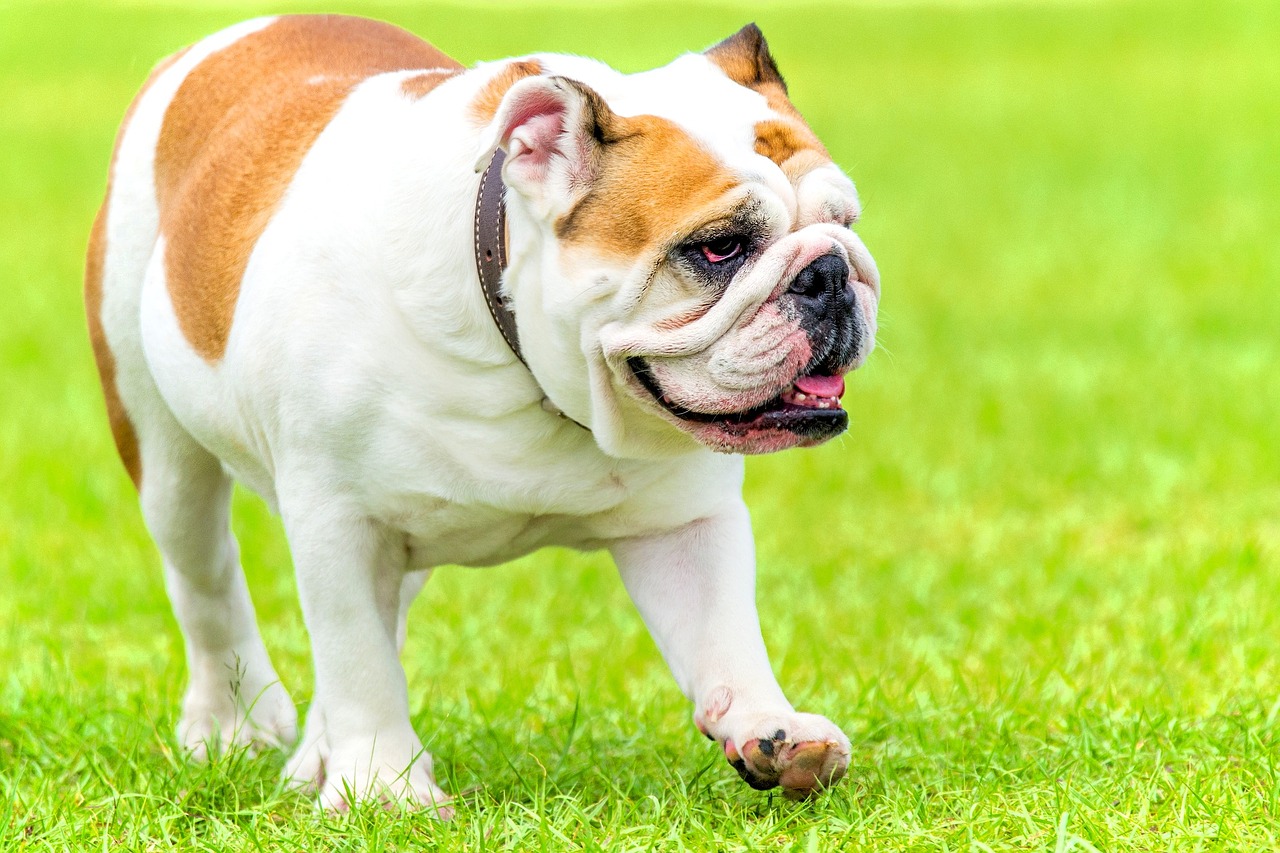
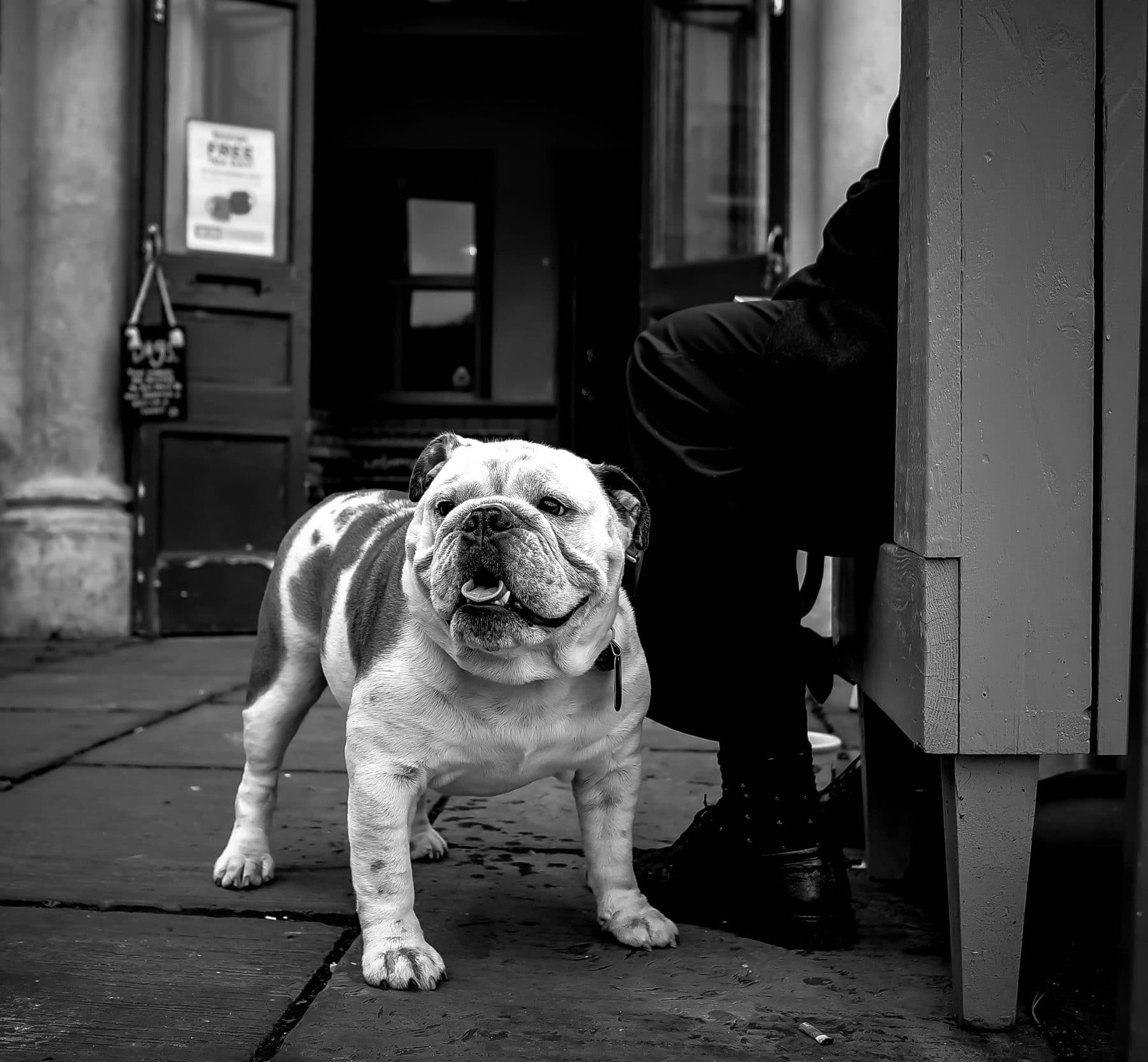
| Breed Characteristics | The English Bulldog is known for its thick-set, muscular body, and bow-legged gait. They have a wide head with a short snout and furrowed brow, leading down to a distinct jaw with exaggerated chops that overhang on either side. Their coat is short, smooth, and comes in a variety of colours and patterns, including white, fawn, red and piebald. |
| Temperament | Despite their intimidating mug, English Bulldogs are easygoing, friendly, and loyal companions. Eager to please, the gregarious nature of these sweet powerhouses comes out as energetic play sessions when they’re puppies. Be prepared with some heavy-duty chew toys and patience, as these willful pups need early socialisation and training to be all they can be as adults. These mild-mannered dogs are eager to please and mellow as they reach adulthood, though they may still test the rules from time to time. |
| Grooming and Health Needs | English Bulldogs require regular brushing—two to three times per week is recommended. One possibly unexpected task is that they need their wrinkles checked routinely for trapped food or moisture (you can use a peroxide-dipped cotton ball to clean their folds.) Eye problems including cherry eye can also be a concern in this breed. Nails should be trimmed every two weeks. The English Bulldog is a brachycephalic (flat-faced) breed, which means its short muzzle can make breathing difficult, especially in hot weather. Owners must be vigilant about keeping their English Bulldog out of extreme heat and humidity, as well as watching for signs of brachycephalic obstructive airway syndrome (BOAS). The Kennel Club has a respiratory grading scheme to establish if dogs are suffering from BOAS and to what extent. Sometimes, surgery is required to enable flat-faced dog breeds to breathe properly. The Kennel Club also recommends DNA health testing for a disease called hyperuricosuria and notes that obesity and cardiovascular issues can be a concern. |
| Training | Bulldogs are people-pleasers, so you’d think training would be a breeze. Beware, however, that while they are easygoing, they can also be willful, especially about food. Early socialisation and puppy training are both critical to weeding out undesirable traits such as food aggression, resource guarding and not releasing items such as rope tugs when playtime is over. If you take the time to help your roly-poly pup learn how to leave it and not guard their dinner, you’ll both be happier when they’re a muscular adult. |
| Energy Level | While this mellow breed is usually content to relax, Bulldogs still enjoy playtime and going on walks. They need moderate exercise to stay trim, but avoid walking during periods of extreme heat—their shortened snout can make breathing difficult. They can’t walk long distances, and they dislike swimming. |
| Life Expectancy | English Bulldogs live between eight to 10 years, on average. |
Who Is The Best Human For An English Bulldog Puppy?
Could there be an English Bulldog in your future? These dogs make fantastic family pets, but they’re not for everyone. Their sometimes stubborn attitude can pose a challenge for new pet owners who are inexperienced with dog training. In addition, if you’re looking for an adventure buddy that can go running or endurance hiking with you, a Bulldog won’t be a good fit. English Bulldogs are more of a city adventure buddy, excited for moderate walks or a trip to the dog park, but nothing too strenuous. If you’re looking for a companion that doesn’t mind spending time at home, doing chores or reading a good book, an English Bulldog may be just right for you. Overall, this breed desires to please its owners, and they’re adaptable to most environments. Because adult Bulldogs are on the quieter side, they make great apartment inhabitants. The English Bulldog’s patience also makes this breed a hit with children.
Getting an English Bulldog Puppy
The decision to adopt or to work with a breeder for your new English Bulldog puppy is a personal choice that requires research. Thankfully, there are many resources out there to help you find a rescue or a breeder who offers healthy, ethically-sourced English Bulldog puppies.
Adopting an English Bulldog puppy
It may come as a surprise, but adopting an English Bulldog puppy is possible. Most pet rescue charities report that the majority of their dogs come from individual owner surrender due to a lifestyle change or an incompatibility with the dog. What this means for you: there may be many adoptable dogs and puppies out there who are looking for a new forever home. The main difference between a breeder and a rescue is that a rescue may not always have young puppies to choose from. The benefit, however, is an adopted dog is likely to have been microchipped and neutered. This means you may end up with a dog who’s already been housebroken and doesn’t need these common medical procedures. You may also find a Bulldog mix that has all the traits you want from the breed, but with a little extra thrown in. Finding an English Bulldog rescue can be as simple as searching the internet.
Finding an English Bulldog breeder
- The first step is to do your research. Sadly, there are many puppy mills posing as reputable breeders along with many online scams. Be aware and reach out to different online forums for conversations about getting your future furry family member.
Be sure to ask questions, and make arrangements to meet the parent dogs or at least the mother. A good, trustworthy breeder should also have records of the parents’ lineage, and should be able to tell you more about the specific litter. In the end, you must follow your gut. If something seems wrong at a breeder you visit, or the English Bulldog puppy seems too good to be true, there’s probably something fishy going on.
The Kennel Club also offers resources for finding a reputable breeder, with fairly strict guidelines on who they let participate in its assured breeders scheme. Make sure you wise up on puppy farms and internet scams—following some simple steps can help avoid further funding of this terrible practice, and help you end up with a pet whose breeding and early-life experience will more reliably result in a well-adjusted dog.
Knowing what you’re in for when you get an English Bulldog puppy is an important step in being a responsible pet owner. Whether you find an ethical breeder or are planning to adopt, prepare yourself for an affectionate and friendly addition to your household.
English Bulldog Puppy Resources
After you find the right English Bulldog puppy, it’s time to prepare your home! Here are a few resources to get you started.
- Surviving the First 24 Hours with Your New Puppy
- How Long Can You Leave a Puppy Alone?
- Puppies And Walks—How Long Do They Need?
- The Essential New Puppy Checklist
- Puppy Training Resources
Featured image via Pixabay