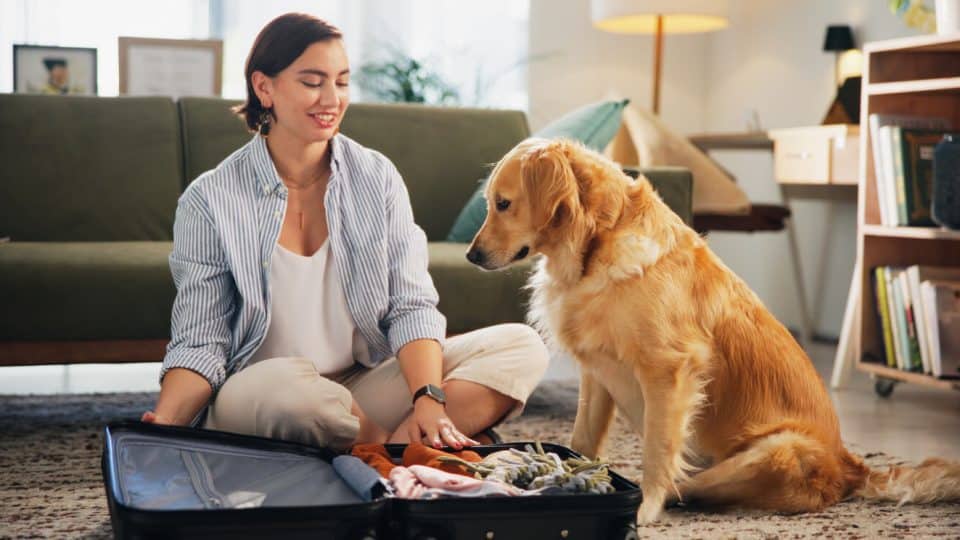
Finding last-minute care for a pet isn’t always easy.

Family, friends, and pet sitters might not be available at short notice, and traditional boarding facilities may be fully booked. You can sometimes find an emergency pet sitter through services like Rover, but this can depend on your area and circumstances.
During a natural disaster or other city-wide emergency, you might have a tough time finding anyone available. And of course, if you have to handle a family crisis or head to the hospital, you may not have much time to make arrangements.
Searching for pet sitting or emergency dog boarding can add stress to your situation, but you have options for finding fast, reliable care. We’ve done the research and compiled a list of emergency boarding options, starting with the most accessible in a pinch.
Rover for Emergency Dog Boarding or House Sitting
Best for: Most emergency situations requiring a sitter on short notice, especially if you already have a relationship with a sitter.
Whether you’re short on time due to a medical emergency, travel delay, or anything else, Rover can connect you with local sitters who offer in-home dog boarding.
The mobile app and website make it easy to search for someone near you, message multiple sitters, and book quickly. Sometimes this is much easier than trying to track down a friend or get in touch with a boarding facility at the last minute.
If you’ve previously worked with a sitter on Rover, you may feel more secure leaving your pet with someone who knows them—offering you some peace of mind in an emergency situation.
Plus, some sitters prioritise clients they already have a relationship with, so you might spend less time trying to find a sitter.

Dog Kennels and Traditional Boarding
Best for: Planned events. May have less availability for urgent, last-minute needs.
While many dog boarding facilities offer great care, they often require plenty of advance notice, vaccination records, gear, and a scheduled intake process.
If you’re short on time due to an emergency, you may not have much time to gather the required documents and items for your pup, even if you can find a boarding facility with space. Some facilities do offer emergency boarding, but they may not always have availability when you need them.
That said, dog boarding can work well for planned events, such as childbirth or another hospital stay. This allows you to gather the documents and handle your pet’s intake in advance.
Family, Friends, or Neighbours
Best for: Short-term emergencies when you need immediate help nearby.
Turning to a loved one or neighbour can be the quickest option, especially if you need to leave in the middle of the night or without much warning.
This option may work for some quick coverage while you figure out a longer-term solution, especially for family emergencies or illness.
However, this type of arrangement may not work as well in other situations. During a flood, for instance, your friends, family, and especially neighbours in the same area will likely have just as much difficulty caring for your pet.
Your Dog Trainer
Best for: Dogs who already have a working relationship with a trainer.
If your dog has worked with a trainer—especially one who offers boarding or daycare services—they may be able to help you out in an emergency.
You’ll want to ask them about this possibility ahead of time, of course. But if you already have a good working relationship, you can always ask whether they’d consider taking care of your pup if an emergency comes up.
You may want to save this option if you truly have no one else to ask, since your relationship with your trainer is professional.

Local Council Boarding Arrangements and Charities
Best for: True crisis situations with no other options available.
Some nonprofit animal organisations have temporary boarding or emergency intake programs, particularly during medical situations.
Under the Care Act 2014, local councils have a statutory responsibility to protect property (which, legally, includes pets). While they have the right to recover reasonable costs later, councils must temporarily care for and board the pets of people during medical emergencies at a licensed facility if no family members or friends are available to do so.
Others can help provide cover during personal circumstances, such as The Cinnamon Trust, which provides emergency fostering for older people so they can keep their pets when they need to go to the hospital. They can also look after a pet when their parent passes away.
Some services, like the Dogs Trust Freedom Project, support people urgently seeking refuge from a domestic abuse situation. Many women’s refuges don’t accept dogs, which may make finding safe accommodation for yourself more difficult. Dogs Trust Freedom finds fosters for dogs whose parents are in this situation, covering food, vet treatment, and all care until you’re ready to have them back.
The foster is always a safe distance from their home of origin to prevent recognition, and the foster and charity provide regular updates until they can return.
This should be your last resort, used only when you have no other options for boarding your pet. Before relying on a charity, contact them directly to learn about their emergency policies. Keep animals up to date with vaccinations to ensure they have as many accommodation options as possible if and when an emergency arises.
How Much Does Emergency Dog Boarding Cost?
When reaching out to your local community on social media or forums, you’ll also want to offer payment for taking care of your pet.
Payment helps ensure the person caring for your pet will prioritise their care. Friends and family may wave off your offer of payment, but it’s still best to offer.
The cost of dog boarding, on average, falls between £30-£50 a night. The cost will depend on your location, the type of boarding you choose, and any additional charges for last-minute help.
Preparing for Emergency Dog Boarding
Whether you’re planning ahead or navigating an emergency in real time, having key information and your pet’s essentials ready can make it easier to find care.
Here’s how to prepare:
- Leave a key for your sitter: If you leave a key, you can head out before they arrive, which can make a big difference if you have to get to a hospital or catch a plane!
- Have your paperwork ready: Most boarding options (even friends or family) need vaccination records, vet contact information, feeding and walking instructions, and other care directions.
- Create a dog “go bag”: Gather everything your dog will need. Essentials include food and treats, their lead and collar, medication, ID, favourite toys, and a blanket or other comfort item.
- Give a timeline: Offering an estimated timeframe for how long you’ll be away can help your sitter or boarder commit to saying yes.
- Have another backup: Having a second option ready can save you time if your first choice doesn’t work out or if you need additional pet care beyond your estimated timeline.
Another important step to prepare: Plan ahead!
If you have a go-to sitter, trainer, or boarding kennels, talk to them before an emergency happens. Finding out their policies and availability before an emergency strikes can save you time and help you secure a spot when you need it.