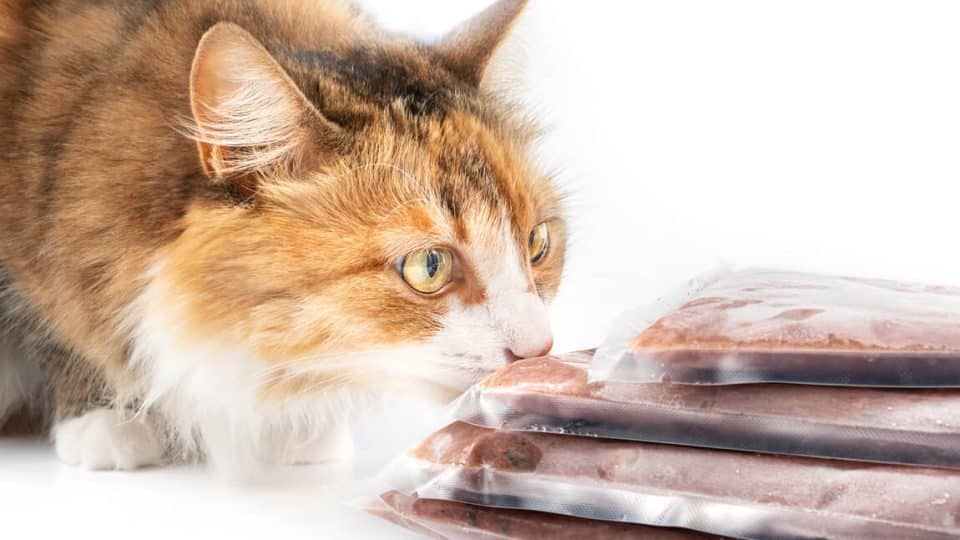
Cats are obligate carnivores, which means they must eat meat to survive. Liver is one meat your cat can eat, but you’ll want to feed liver to your cat in small amounts only.
Raw food diets for pets are becoming more popular, but a cat’s diet requires specific nutrients, such as taurine, for optimal health. Many raw food diets contain too little of the right vitamins and nutrients—or an excess of others.

Liver has some benefits for cats, but too much liver can lead to vitamin A toxicity or other vitamin imbalances. It can also disrupt their digestion and lead to weight gain.
Read on to learn more about feeding your cat liver, plus get expert guidance on what to consider before feeding your cat any human foods.
How Much Liver Can Cats Eat?
It’s generally safe to feed your cat liver in small amounts, but it shouldn’t make up a large part of their regular diet.
Eating too much liver can cause cats to develop a condition called hypervitaminosis A, or vitamin A poisoning.
So, while the occasional liver treat is probably fine, you’ll want to avoid feeding your cat liver on a regular basis.
It’s always best to check with your vet to determine your cat’s specific dietary needs. They can offer more guidance on how much to feed your cat and how often you can offer your cat liver as a treat.
“A high-quality, reputable, complete and balanced commercial cat food shouldn’t require any outside nutritional supplementation. Before adding liver to the mix, talk to your vet about the best ways to do it safely and sparingly,” advises Dr Rebecca Greenstein, Veterinary Medical Advisor for Rover.com and Chief Veterinarian at Kleinburg Veterinary Hospital.
Does Liver Have Benefits for Cats?
Liver is rich in vitamins A and B, as well as other essential minerals such as iron and copper. It can provide benefits when included in a cat’s diet.
However, different types of liver have different nutritional profiles.
“Chicken liver is higher in selenium and iron, while beef liver may contain relatively more fat. If your cat has food allergies or digestive issues, your vet may advise against giving multiple animal protein sources or advise you to stick with a certain animal protein over another,” Dr Greenstein says.
It’s important to keep in mind, too, that experts caution against preparing raw food diets for your cat. Most recommend purchasing prepared raw food instead, so you can make sure your cat gets the right amount of the right nutrients.
What Happens If My Cat Eats Too Much Liver?
If cats eat too much liver, they can get too much vitamin A and develop hypervitaminosis A, also called vitamin A toxicity. Cats can develop this condition from eating too much raw liver or liver treats, or from excessive supplementation of cod liver oil.
Vitamin A is important for keeping a cat’s skin and coat healthy and supporting their night vision. Too much of it, however, can lead to abnormal bone growth, which may cause joint stiffness and eventually lead to paralysis.
Symptoms of Vitamin A toxicity include:
- Lethargy
- Loss of appetite
- Weight loss
- Lameness
- Rough coat
- Constipation
- Abnormal sitting posture, like raised limbs
- Signs of allergic reaction, like redness or irritation, on their neck and limbs
If your cat has any of the above symptoms, you’ll want to check in with your vet as soon as possible so they can help manage the condition. Hypervitaminosis A can’t be reversed, so prevention is key.
Other effects
Liver has a few other downsides for cats, too.
“Liver is relatively high in protein and calories. It can also be high in cholesterol, depending on the animal source. Feeding cats liver in excess may lead to weight gain and cause other health concerns for cats with certain medical issues, like kidney disease,” says Dr Greenstein.
Liver is rich in fat, so it may also cause digestive upset, including vomiting and diarrhoea.
How Do I Cook Liver For My Cat?
If you plan to give your cat liver (with approval from your vet), you’ll want to start with high-quality liver.
The liver stores toxins, so it’s a good idea to choose meat from animals that didn’t receive excessive antibiotics.
You can serve liver to your cat raw or cooked.
If you serve it raw:
- Wash it first
- Chop the correct amount into bite-sized pieces
- Avoid storing liver and other raw meat for longer than a couple of days.
If you cook the liver:
- Remove any fatty parts from the meat.
- Avoid adding any seasoning.
- Boil or bake the liver.
- You can store cooked liver for 3-4 days.
Preparing raw meat safely
Raw meat requires safe handling to prevent exposure to parasites or bacteria that can be dangerous to both people and pets.
It’s important to thoroughly wash your hands and any items that come into contact with raw meat with warm water and soap. Using a sanitiser on all surfaces is also a good way to prevent foodborne illness.
Takeaway
It’s okay for cats to eat a bit of liver from time to time, but they shouldn’t have too much of this organ meat.
Generally speaking, it’s best to feed your cat a prepared diet from a trusted cat food brand. That way, you can make sure they’re getting all of the nutrients they need in the correct amounts. Pre-made cat foods are formulated to ensure your cat eats a balanced diet.
Dr Greenstein says pet parents who give homemade meals may not weigh out the portions and end up overfeeding. What’s more, if you don’t have the right information about the nutrients your cat needs, they could end up getting sick.
Keeping your cat happy and healthy doesn’t mean you have to deny them delicious treats. But since human foods like ham, chicken, bread, and milk can make your cat sick, it’s best to stick with the treats meant for cats!