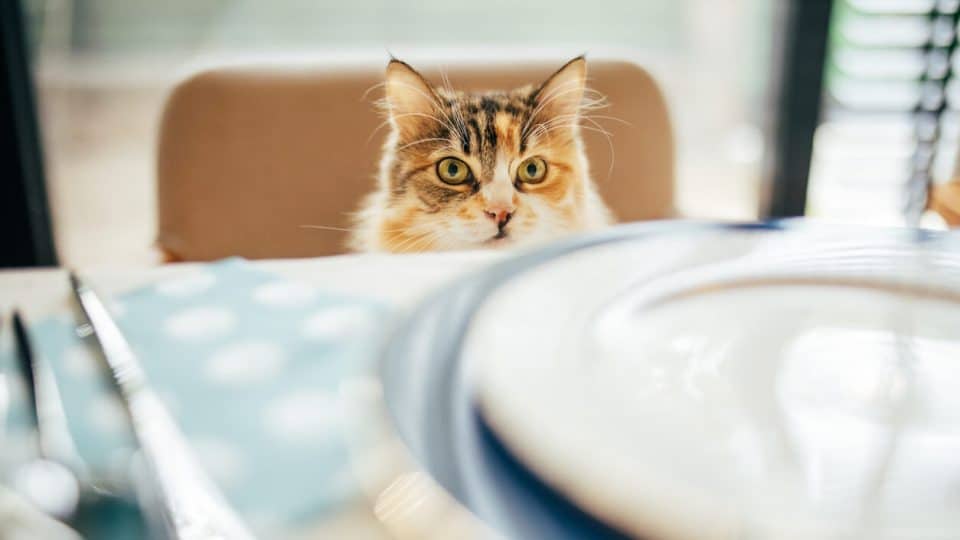
Cats can safely eat many of the foods you eat, occasionally and in small amounts. However, there are many dangerous foods cats should never eat.

Many common foods can pose minor to very serious health risks for cats. Some of these foods may cause death without immediate treatment, even if your cat only eats a small amount.
If you suspect your cat has eaten something toxic, it’s important to take action right away, says Dr. Renee D. Schmid, senior veterinary toxicologist and director of veterinary medicine at Pet Poison Helpline.
Note the food, how much your cat ate, and when they ate it. Then call your vet or the Pet Poison Helpline at 1-855-764-7661 right away—even if your cat doesn’t have symptoms. They can let you know whether your cat might need treatment and what to do next.
We spoke with vets to learn more about what cats can’t eat, what to do if your cat eats something toxic, and feline-friendly human foods.
Signs of Poisoning in Cats
You might make every effort to keep harmful foods away from your cat, but accidents can still happen.
If a cat has ingested something they shouldn’t have, you might notice signs of toxicity, including:
- Vomiting
- Loss of appetite
- Severe lethargy
- Diarrhoea
- Blood in stool
- Excessive drooling
- Pale gums
- Signs of choking or breathing problems
If you notice these signs in your cat, contact a vet right away.
“Don’t wait for signs to appear,” says Dr. Marc Smith, veterinarian and owner at Natchez Trace Veterinary Services. “Many toxins can cause delayed but serious damage. Even if your cat seems fine, early care is critical and could save their life.”
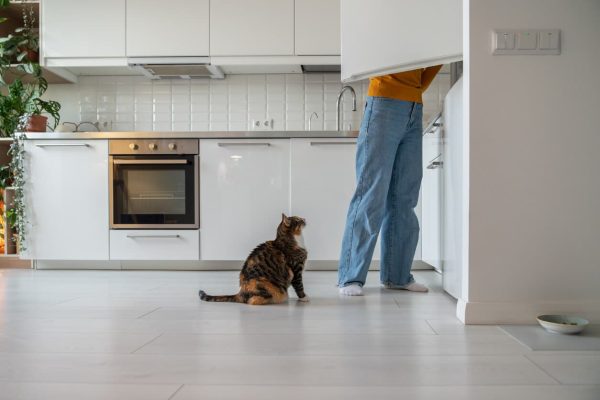
Dangerous Foods For Cats To Avoid
Dangerous foods for cats cause harm within hours of consumption.
When discussing what cats can’t eat, it’s important to note that most risk concerns depend not only on the type of food, but also on the amount your cat eats, says Dr. Schmid.
Some human foods aren’t necessarily toxic to cats in very small amounts but may cause health problems if your cat continues to eat them.
Below are 15 toxic foods to avoid giving cats, in order from most harmful to least harmful:
Onions, garlic, and alliums
Onions, garlic, and alliums are extremely toxic to cats.
They contain compounds that damage red blood cells, which can result in anaemia, organ failure, or death.
All parts of an onion are dangerous for cats to eat. Be especially cautious when cooking with garlic and onions, and when consuming cooked, raw, or dehydrated onions, as well as on pizza, snacks, or other seasoned dishes.
Coffee and tea
Coffee and tea contain caffeine, which is moderately to severely toxic to cats. The severity of symptoms will depend on the source of the caffeine and the amount ingested. In some cases, caffeine poisoning may cause death.
Unused coffee grounds and tea bags pose a greater risk than a lick of coffee, tea, or soda.
Signs of caffeine poisoning can include:
- Hyperactivity
- Vomiting
- Abnormal heart rhythms
- Seizures
- Collapse
Alcohol
Alcohol contains ethanol and grain, both of which are very dangerous for cats. Just one teaspoon of alcohol can cause alcohol poisoning in cats, so it’s important to keep your beverages away from curious paws!
Mild alcohol poisoning may cause an upset stomach, nausea, or stumbling. More severe cases may cause lethargy, paralysis, and seizures.
Chocolate and cacao
You may already know that dogs can’t eat chocolate—it’s also one of the most dangerous foods for cats. Chocolate and cacao contain theobromine and caffeine, which can cause digestive upset, trembling, seizures, or death depending on the ingested amount.
The darker the chocolate, the greater the risk it poses to cats: White chocolate poses the least risk, while dark chocolate poses the most significant risk. If you have a curious kitty, keep all chocolate bars, chips, powders, and desserts somewhere they can’t access.
Raw dough
Cats can eat plain, baked bread, but raw dough is a different story. Raw dough contains ethanol, which can cause alcohol poisoning in cats.
If your cat has eaten raw dough, they may develop lethargy, disorientation, and hypothermia. In severe cases, they may develop gastric dilatation and volvulus (GDV), or bloat, which can be fatal.
Always keep an eye on your cat when preparing to bake bread or pizza to keep them safe.
Grapes, raisins, and prunes
A 2022 study found that the component in grapes that’s highly toxic to dogs is tartaric acid, an organic acid.
While the exact risk to cats is unknown, another study found that both cats and dogs exhibited clinical signs of poisoning after consuming grapes, raisins, or currants at a rate of approximately 15%. The most common symptom was gastrointestinal distress.
Since experts don’t yet know exactly how dangerous these fruits are for cats, it’s important to make sure they don’t eat any, just to be safe.
Tamarind
Tamarind also has a high concentration of tartaric acid. This fruit commonly causes renal failure in dogs, and it may have a similar effect on cats and ferrets. This versatile fruit appears in a variety of dishes, including Pad Thai and chicken curry. It’s also found in Worcestershire sauce.
Cream of tartar
Cream of tartar is a multi-purpose powder typically used to stabilise egg whites, enhance flavours, and create a creamy texture when baking. It contains tartaric acid, which poses health risks similar to grape toxicity.
It’s best to keep any pastries or pies that contain cream of tartar out of reach of cats, just to be safe.
Xylitol
Xylitol, a popular artificial sweetener, can be deadly for dogs, but research suggests it may not have the same toxic effects for cats. Still, it’s best to keep them away from foods or beverages labelled sugar-free, including candy, pastries, and nut butters.
Also check for xylitol’s other names, including birch sugar, birch bark extract, and wood sugar.
Citrus
Citrus fruits, like oranges, can be toxic to cats. All parts of citrus plants can cause vomiting, diarrhoea, depression, and potential dermatitis if ingested in large amounts.
If your cat happens to eat the fruit itself (without stems, leaves, peels, or seeds), they may experience some minor stomach upset.
Raw meat, fish, and bones
While raw meat, fish, and bones aren’t toxic to cats, they still pose certain risks, including potential Salmonella infections, nutritional imbalances, and choking hazards. Unprepared meat can lead to diarrhoea, vomiting, and fever. Raw or cooked bones can cause gastrointestinal obstruction.
As much as your cat might beg for raw foods, it’s best to either cook meat and fish and serve it plain. Throw away any leftovers in a cat-proof trash can.
Fat
Like raw meat and fish, fat trimmings aren’t necessarily toxic, but they can still pose a danger. Fat trimmings can pose a choking hazard and may cause vomiting, diarrhoea, foodborne illnesses, and pancreatitis.
Milk and dairy
The image of a cat drinking milk from a saucer is a common one, but many adult cats are lactose intolerant.
Lactose in milk and dairy products, like cheese, yoghurt, or ice cream, can cause digestive issues, such as vomiting and diarrhoea.
Dog food
Dog food isn’t poisonous to cats, but it’s not nutritionally balanced to meet a cat’s dietary needs. Cats can eat a few bites of dog food without problems, but a regular diet of dog food can cause stomach issues and nutritional imbalances in cats. So, you’ll want to avoid feeding it to cats.
Tuna
Tuna intended for humans isn’t nutritionally balanced for cats, and it also contains high levels of mercury. It can cause health problems if cats eat a lot of tuna on a regular basis. Some cats may also be allergic to fish, including tuna.
Toxic Non-Food Items Cats Will Eat
Keeping kitty away from the most dangerous foods for cats isn’t the only important task you have as their guardian. According to Dr. Schmid, some of the most common toxic non-food items a cat may try to eat include:
- Lilies, including Asiatic, Oriental, Stargazer, Roselily, Calla, and Easter varieties
- Ibuprofen
- Amphetamine combos
- Vitamin D3 supplements
- Tulips
- Carprofen (an anti-inflammatory prescription for dogs, not approved for use in cats)
Cat-proofing your home by keeping toxic household items and poisonous plants out of reach can help keep your cat safe!
What Foods Can Cats Eat?
Not all human treats are dangerous foods for cats. However, these foods shouldn’t replace their regular diet.
Nutritious and safe foods for cats, according to Dr. Smith, include:
- Plain, cooked turkey or chicken: Poultry is a lean protein safe for cats to eat in moderation.
- Plain pumpkin (not pie filling): A spoonful of plain pumpkin supports digestion naturally.
- Cooked eggs, scrambled or boiled with no seasoning: Eggs, like turkey, are packed with protein and can make a healthy alternative to treats.
- Fresh or frozen blueberries: A few blueberries also make a great treat for cats—if they’ll eat them!
He recommends always introducing new foods slowly and avoiding seasoning and sauces, particularly anything with onions, garlic, or salt. Keep in mind, too, that treats should make up less than 10% of your cat’s daily calorie intake.
Dr. Smith shares a few helpful tips for keeping your food out of your cat’s reach:
- Clean up any leftover food: Clean any remaining food off your countertops after cooking and put away your snacks.
- Don’t leave your dishes unattended: Keep your eyes on your plate or glass to prevent curious cats from taking the opportunity to check out what you’re eating or drinking.
- Lock your cabinets with child-proof locks: Does your cat get into the cabinets and eat your food? Using child-proof locks on your cabinets can prevent feline theft!