
You’ve made your travel plans, and you’ve got a pet sitter lined up. Great! Now it’s time to set up everything in your home for your pet sitter before you go. But how do you know that you haven’t forgotten anything that your sitter or pet will need? A house-sitting checklist.

In this guide, we’ll cover basic house-sitting instructions, how to prepare accommodations for your sitter, what pet supplies to have on hand, and who else to notify that you’ll be gone. Here’s everything you’ll need to ensure your home and pets are prepped and ready.
Write Instructions for Your House Sitter
One of the best things you can do for both your peace of mind and that of your pet sitter is to write down instructions for them to reference during their stay. From household tasks to specific instructions for feeding your pets, this information should clearly outline your expectations for care to avoid confusion. Here are some common items to add to your house-sitting checklist.
House tasks
- Plant care: List any indoor or outdoor plants that will need tending while you’re away. Give instructions on how often and how much to water them.
- Collecting post: Give your pet sitter a heads-up if you’re expecting any parcels. Let them know when they’ll arrive and where to put any post.
- Rubbish: Note the local council bin days for rubbish, recycling, food waste, and garden pickup. Be specific about which bins to use (e.g., black, green, brown, or blue) and where your sitter should place them on the pavement or at the kerbside for collection.
- Pet waste: Include instructions on how you’d like your sitter to dispose of pet waste and specify where it should go, such as in a designated outdoor bin.
Safety instructions
- Locks: Explain which doors or windows your sitter should lock at night or when they leave, and where to leave keys.
- Alarm systems: Give your sitter the code and instructions for arming and disarming your alarm system.
- Cameras: Indicate the location of any security or pet cameras inside or outside the home for full transparency.
- Visitors: Let your sitter know if they should expect anyone to drop by, such as the landlord, window cleaner, or gardener.
Home rules
- Guest policy: Document whether you want your sitter to pre-approve guests or if you’d like them to stick to a no-visitor policy. Either is okay as long as you’re clear and upfront from the start.
- Off-limits pet areas: Outline areas that are okay or not okay for your pet to access, such as whether they can be on furniture or sleep in the bed.
- Restricted areas: Clearly specify any rooms, closets, or areas in your house that are private, such as main bedrooms or home offices.
Pet care
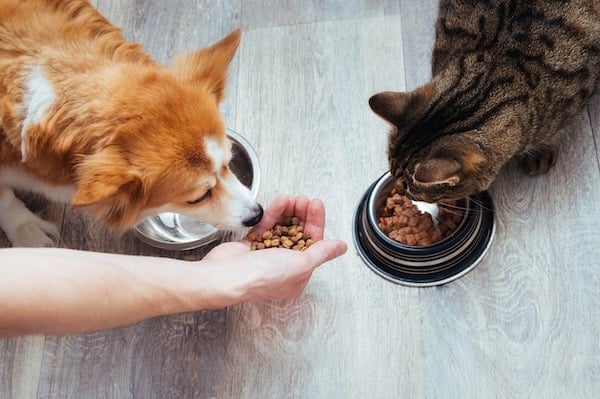
- Meals: Indicate where you store your pet’s food and bowls, and provide detailed feeding instructions.
- Exercise: Let your sitter know your pet’s usual exercise and enrichment routine, whether that includes daily walks, garden playtime, or indoor puzzles.
- Bathroom behaviour: Outline how often your dog needs toilet breaks or when to scoop your cat’s litter tray.
- Special care: Provide specific instructions for any special care needs your pet may have, such as giving daily medication or navigating behavioural issues like anxiety or reactivity.
anastas_ via iStock
Appliance instructions
- Heating/cooling: Explain how to operate the boiler, how to boost the hot water, and what temperature you’d prefer your sitter to keep the house at.
- Wi-Fi and TV: Share your Wi-Fi name and password, along with login information and instructions for using the TV or other streaming devices.
- Home appliances: Note any quirks or special instructions for commonly used appliances, such as a refrigerator that makes a loud noise or a washing machine that they’ll need to run on a specific cycle.
Parking instructions
- Parking arrangements: Clearly indicate whether there’s a specific spot on the street, in the driveway, an allocated flat space, or in the garage where your sitter should park their car.
- Permits and restrictions: If you live in a controlled parking zone or on a terraced street with residential restrictions, leave out visitor parking permits or explain the parking ticket rules and restricted hours.
Emergency contacts
- Additional contact information: Along with your number, give your sitter your email or the contact information of the hotel or place where you’ll be staying.
- Emergency contacts: Leave your sitter with two or more emergency contacts they can call in case they can’t reach you.
- Vet care: It’s also a good idea to give your sitter your vet surgery’s phone number and location, as well as the nearest emergency animal hospital’s information.
- Insurance information: In case of emergencies, leave your pet insurance information and a written pre-authorisation to both the insurer and your vet to smooth over entry into veterinary care.
- Microchip information: Leave your pet’s microchip number, the database it’s registered with, and your account login/contact details for the site in case your pet escapes (or, in the case of outdoor cats, doesn’t come home). If your pet strays or doesn’t return, your sitter will need these to mark the animal as missing in the database immediately, preventing someone else from re-registering the chip.
Prepare Accommodations
Before you leave, here are a few things to remember to do to set up your house for your sitter, ensuring they’re comfortable during their stay.
- Provide clean towels, duvet covers, sheets, and blankets.
- Create storage space for their luggage and toiletries.
- Clear a spot for groceries in the fridge, cabinets, and pantry (especially for extended stays).
- Make sure your house sitter has keys, key-safe codes, or fob access to enter the property or communal entrance
- Put away sentimental or breakable items (this isn’t usually an issue, but just in case you’re worried).
- Leave written pet sitter instructions in an easy-to-find place, like on the kitchen table or fridge.
- Have your pet’s toys, bedding, feeding and water bowls, and leads/harnesses ready.
- Tidy up your house (vacuum, wipe surfaces, clean dirty dishes, take out the rubbish, clean the litter tray, etc.).
Get Supplies
Next on your house-sitting checklist, stock up on any household and pet supplies. Get more than you think you need, so your sitter doesn’t have to run out and replace anything.
- Pet essentials: Make sure your pet has plenty of food and supplies (medicine, puppy pads, litter, poo bags) for the entire stay.
- Household items: Stock up on essential household supplies, such as extra laundry detergent, hand soap, cleaning supplies, washing-up liquid, and bin bags.
- Welcome food basket: While you’re not obligated to provide food for your sitter, a welcome gift of starter supplies is always nice!
Notify Neighbors
If you’re friendly with your neighbours and live in a block of flats or on a terraced street, let them know you’ll be having a pet sitter staying over, so they aren’t surprised to see someone new around your home. It’s also a good idea to give anyone who regularly visits your home a heads-up, too, like a window cleaner, gardener, or landlord.
Consider also leaving a spare set of keys with a neighbour, and let the sitter know who that person is. While planning ahead takes time, a detailed checklist for your house sitter helps ensure everything goes smoothly, so you can enjoy your time away!