Finding the right caregiver for your senior cat can feel overwhelming. Older cats need a gentle approach, and many require specialised care. The best sitter for your senior cat will be familiar with their unique needs. That might include managing mobility issues or sensory decline, following a specific dietary plan, or simply maintaining a peaceful presence.

Fortunately, it’s entirely possible to find reliable care for your senior cat—if you know what to look for. The ideal sitter will have experience caring for older cats, be equipped to handle emergencies, recognise subtle signs of illness, and provide regular updates to keep you in the loop. If your situation calls for it, they’ll be proficient in administering medication as well.
In this guide, we’ll explore the different options available for senior cat care. We’ll also share insights from two veterinarians: Dr Aimee Warner, resident veterinarian at Waggel, and Dr Bethany Hsia, co-founder of CodaPet. Here are the types of sitters you’ll encounter, where to find them, and how to choose the best fit for your senior cat.
Drop-Ins Vs House Sitting Vs Boarding for a Senior Cat
There are three main types of senior cat care, each with its own pros and cons. The right choice really depends on your senior cat’s personality and specific needs.
| Drop-in | House sitting | Cattery boarding with medical support | |
| Good for | Healthy, independent senior cats | Senior cats with mild health conditions | Senior cats with more chronic or unstable health conditions |
| Unsuitable for | Cats with health issues, cats who are distressed by unpredictable visitors | Extremely shy senior cats who are uncomfortable with long-term house guests | Anxious senior cats who don’t need close veterinary monitoring |
| Services available | Sitters usually take 30-60 minutes to freshen food and water bowls, clean litter trays, give meds, and play with your cat. Older cats may need more frequent visits, according to Cats Protection. | Continuous care in the comfort of your home; sometimes, house-sitters take on extra house tasks like collecting post, taking out rubbish, and cleaning. | 24/7 supervision (depending on the facility); access to professional medical care at short notice and staff who can administer medications (discuss up front, as not every cattery will provide this) |
| Costs (£, ££, or £££) | £ (affordable) | £££ (can be expensive) | ££ (moderate) |
Drop-in visits
Drop-in visits involve a pet sitter coming to your home once or twice a day to feed your cat, clean the litter box, give medication if necessary, and provide some temporary companionship.
For healthy, self-sufficient senior cats, drop-in visits are usually recommended. This arrangement lets cats stay in their own home, which is ideal for seniors easily rattled by disruption to their routine.
However, for many senior cats, having a stranger come over unexpectedly can be too stressful. If your cat tends to react negatively to sudden visitors, drop-ins might not be the best fit. Additionally, if your cat needs more frequent interaction or has special needs, a daily drop-in may not be enough.
If you go this route for your senior cat, Dr Warner says that longer, less frequent visits are less stressful than shorter, more frequent visits.
House sitting
House sitting involves a caretaker staying in your home, which helps your cat maintain their routine and minimise stress—crucial for cats with chronic health conditions like diabetes, kidney disease, or hyperthyroidism, which can be more common in older cats, per Cats Protection.
Dr Hsia considers house-sitting a good option for cats that enjoy human companionship or become distressed when left alone for long periods. She also says it’s the preferred option for senior cats with minor medical issues who need more involved care. “A qualified cat sitter can adhere to medication schedules, monitor food and water intake, and report back to the owner or contact the vet if they observe changes in symptoms,” says Dr Hsia.
However, house-sitting won’t suit all senior cats. If your pet is uncomfortable with new people or shows signs of stress when visitors are present, a live-in sitter could be challenging. And in cases where extensive medical care is needed (e.g., intravenous fluids, close monitoring, etc.), kennel boarding may be more appropriate.
Make sure you give the sitter your cat’s microchip number, microchip database provider, and the emergency contact details on the account. This ensures all information is available in case of an emergency, if the cat gets out, or if the cat is used to roaming outdoors and doesn’t come back under the sitter’s watch. This also goes for drop-in sitters.
You’ll also need to leave your pet insurance policy details and a signed Vet/Insurance Consent Form that authorises the pet sitter to approve emergency treatment while you’re away from home. UK vets and insurers require clear owner authorisation for third-party claims, and if your cat is older, they may have a higher risk of needing medical attention.
Cattery boarding
Boarding your senior cat at a cattery might make sense if they have more serious health issues. Sometimes, this option includes access to round-the-clock support, good contact with local vets, and staff who can address specific health needs or closely monitor cats with unstable conditions. Always check what’s available when you’re scoping out potential catteries.
That said, the clinical setting tends to be stressful for older cats, especially those sensitive to change or to the presence of other animals. If your cat is shy or anxious, in-home care might be the better option. Ultimately, you’ll want to weigh your cat’s medical requirements against their personality.
If you’re leaning towards kennel boarding for health reasons, consider whether the facility offers 24-hour supervision. It’s also worth noting that some facilities provide video streaming, so you can check in on your senior cat from afar. Be sure to provide microchip information in case of emergencies/escapes and insurance information and authorisation in case the cattery needs to contact a vet.
Olga Chetvergova via iStock
Where To Look for a Sitter for a Senior Cat
Once you’ve decided what kind of care you’d like, you can start looking for a cat sitter. Here are some good places to start your search.
- Pet-sitting platforms: App-based platforms like Rover offer background-checked sitters with profiles, booking, and payment options.
- TrustedHousesitters: Links pet owners with sitters who look after cats in return for accommodation.
- National Association of Professional Pet Sitters (Narps UK) and Pet Sitters International (PSI): These organisations maintain directories of qualified sitters who go through certification courses to enhance their skills.
- Ask your vet: They will often have trusted staff who pet-sit on the side.
- Seek referrals from friends, family, or neighbourhood community sites, like Nextdoor, Mumsnet, or dedicated local Facebook groups and pages
How To Vet Sitters for a Senior Cat
Finding the right sitter for your senior cat requires a little extra effort, but it’s worth it. Here’s how to narrow down your pool of candidates and look for red flags and green flags.
Filter search results
As you browse sitter profiles on various apps, take advantage of filters to highlight those who can meet your cat’s specific needs. You may want to prioritise sitters who can administer medication or injections, have experience caring for older cats, or are available for overnight care.
Read reviews for relevant experiences
You can also check reviews to see how sitters have handled situations similar to your own. For instance, if your cat requires insulin shots, prioritise sitters who have received positive feedback for managing diabetic pets. Similarly, if your cat has a strict diet, find sitters whose reviews mention their dedication to following meal plans.
Assess emergency preparedness
Sitters should have a reliable way to get your cat to a vet if necessary. Ask potential caretakers if they have a car or access to cat-friendly public transport. You can also inquire about their emergency response plan.
Meetings and Trial Runs for a Senior Cat
Scheduling a low-stakes meet-and-greet with a potential sitter is always a good idea. This lets you observe how the sitter interacts with your pet and determine if they have the skills necessary to meet your cat’s level of care. Ideally, the sitter will demonstrate a calm, gentle temperament that reassures your senior cat.
Use this opportunity to ask the sitter about their experience with senior pets. Warner suggests discussing how they would handle issues like missed medication, a cat not eating, or litter tray issues. “A good sitter will be at ease with noticing subtle signs of illness and be proactive in communication,” she notes.
Warner also recommends conducting a handoff trial, in which you ask the sitter to perform tasks such as giving medication or feeding under your supervision. This lets you evaluate their comfort level and technique.
Setting Expectations
Transparency is crucial during the hiring process. Always clearly communicate your cat’s unique needs and challenges upfront, even if they seem like a lot.
“The most important thing is continuity of care,” emphasises Dr Warner. To ensure everyone is on the same page regarding your senior cat’s care, it helps to spell out exactly what they need. Dr Warner suggests leaving written notes detailing things like:
- Feeding schedules: Write down your cat’s meal schedule, portion size, and any pertinent feeding instructions (such as heating up wet food).
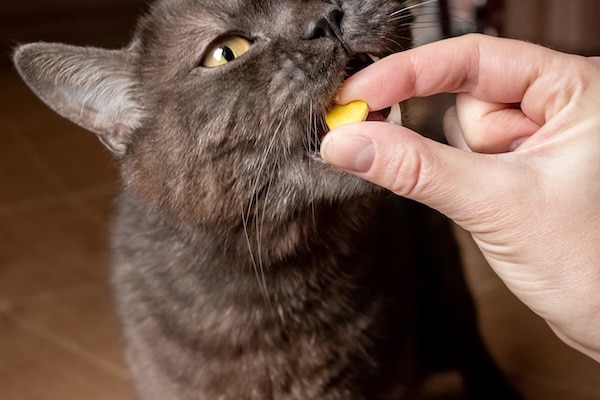
- Medication management: If applicable, ensure the sitter is comfortable administering medications, whether pills or liquids. Provide clear instructions if needed.
- Any unique needs: Share any mobility issues, sensory changes, anxiety issues, or other age-related concerns. Provide clear instructions on how to handle these challenges.
- Insurance and microchip information: Ensure a sitter has their microchip number, database information, and emergency contact details, as well as insurance policy information and a signed letter of authorisation for the vet and insurer. This can help them access vet treatment quickly in case of an emergency.