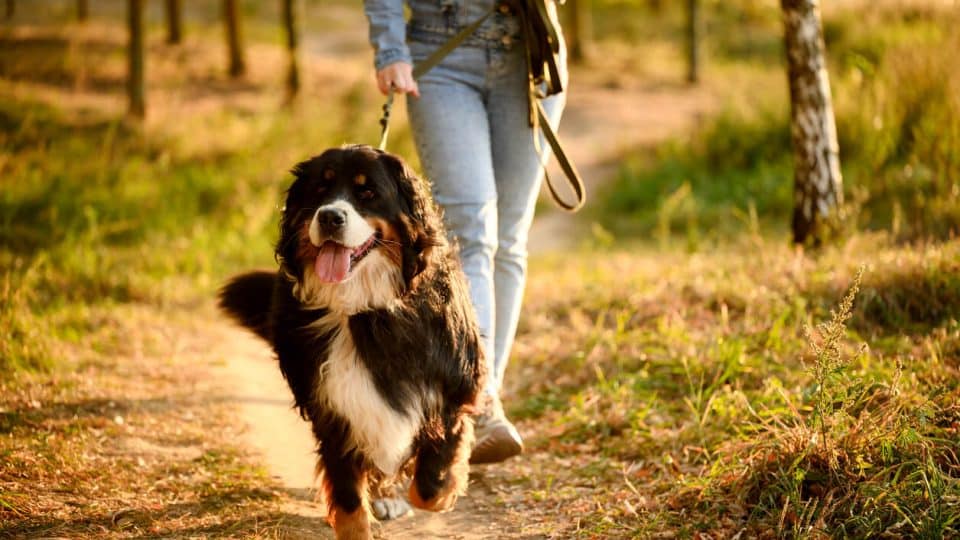
If you can’t get home to give your dog a break during the day, you might consider hiring a dog walker. The cost may be well worth the peace of mind you get from knowing your beloved pet will get the exercise and enrichment they need.

The average rate for a dog walker in the United Kingdom is £19 for a 30-minute walk or £26 for a 60-minute walk. However, the exact price will vary depending on your location, the walker’s experience, and the length of the walk.
Daily walks can do a lot for your dog’s physical and mental well-being, explains Nicole Kohanski, US-based founder, dog behaviour expert, and certified trainer at Wiggle Butt Academy. Hiring a dog walker doesn’t just help keep your dog’s health in tip-top shape. It also helps your dog stick to their routine so they don’t get bored (and potentially destructive).
Read on to learn more about what you pay for when you book a walk, plus typical rates, factors that influence cost, and how to decide when to hire a dog walker.
Dog Walking Costs By Walk Length
You’ll generally pay a dog walker between £12 and £25 per walk, depending on the walk’s duration. Most walks start at 30 minutes. Here’s a breakdown of average dog walking rates nationally, according to Rover’s data:
| Walk length | Rate per walk | Estimated weekly cost (7 days) | Estimated monthly cost (21 working days) |
|---|---|---|---|
| 30 minutes | £19 | £133 | £399 |
| 60 minutes | £26 | £182 | £546 |
If you’re wondering why a 15-minute walk costs nearly as much as a 30-minute walk, it’s because most dog walkers include travel time or fuel in their fee. We’ve also calculated a weekly walk based on needing a walker on every day of the week—for example, if you have decreased mobility—but the weekly figure may be lower if you only need a walker on workdays.
Senior dogs and dogs who only need a toilet break may only need a short walk—but of course, most dogs will enjoy the attention they get with a full 30-minute session, even if they don’t spend the whole time walking.
What’s Included in a Dog Walk?
When you hire a dog walker, you’re paying for:
- Professional experience: Rover makes it easy to find walkers with background checks and 5-star reviews from other pet parents. Bear in mind that an experienced walker may charge more than a local friend or someone new to the platform. Still, hiring a professional often comes with more accountability and peace of mind.
- 30 or 60 minutes of walking: Smaller or senior dogs might just need a quick toilet break. But high-energy breeds like Border Collies and Labradors usually benefit from a longer outing. Most walkers offer different time options, so you can choose a walk that fits your dog’s routine.
- Personalised care: You can choose a walker who will accommodate your dog’s needs after the walk. This might include refilling their water bowl, giving them a treat, picking up their poo from your garden, or wiping their paws before they come inside.
- Photos and updates: Most dog walkers will happily share pictures and updates of your dog’s walk. This can be especially reassuring if you’re hiring a new walker or if your dog has anxiety or health issues you need to monitor.
Factors that Influence Dog Walking Rates
Dog walker rates can vary based on the following:
- Dog walker experience: More experienced walkers typically charge higher rates, especially if they have professional certifications or a track record of five-star reviews. A newer walker may offer lower prices as they build their client base.
- Puppy walks: Puppies often require extra attention and shorter, more frequent walks, which can increase the rate.
- Reactive dog walks: Dogs who react to other animals, people, or sounds require a more experienced, attentive walker. Since not all walkers accept reactive dogs, you may have fewer potential walkers to choose from, and they may charge more due to their experience.
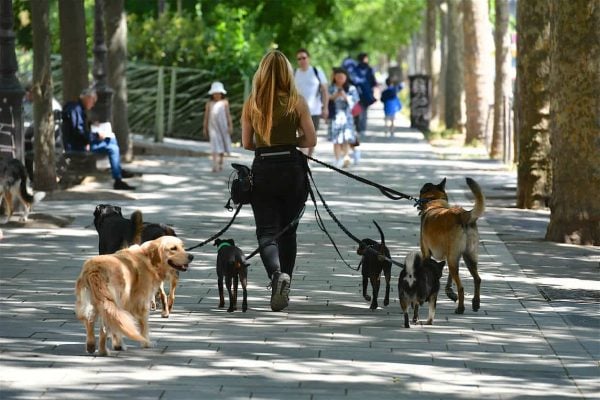
- Private vs group walks: Some dog walkers offer group walks, which generally cost less than private walks. However, the extra cost for a private walk may be worth it for dogs who prefer quality time or don’t do well with other dogs.
- Dog walks with training: Some walkers offer outings that incorporate basic obedience training, which typically increases the rate. However, this could be a cost-effective middle ground when compared to hiring a separate trainer.
- Recurring walks vs one-offs: One-off or last-minute walks may cost more than regularly scheduled walks. Many walkers offer discounted rates for clients who book regularly, since consistent scheduling is easier to manage than sporadic requests.
- Holidays: Most walkers charge extra on holidays since demand is high and they’re working around their own holiday plans. If you need coverage during the holidays, book early when you have more potential walkers to choose from.
Cost variances by location
Where you live plays a significant role in dog walking prices. In cities with a high cost of living, such as London, Bristol, or Brighton, you’ll often pay a higher rate than the national average. This rate is driven by higher costs, demand, and travel times.
On the other hand, dog walkers in more rural areas often charge less due to lower demand or lower cost of living.
Is a Dog Walker Necessary? FAQs
Whether hiring a dog walker makes sense for you will depend on your dog’s needs, your schedule, and your budget.
Kohanski answers some common questions about dog walking to help you decide if it’s the right option for you.
What are the key signs that your dog needs a dog walker?
Your dog may benefit from a dog walker if:
- You have a busy or unpredictable schedule or long workdays, and you struggle to fit in consistent walks.
- You have an illness or injury that makes it difficult to walk your dog safely or comfortably.
- Your dog is showing bored or destructive behaviours at home, like chewing, excessive barking, or restlessness.
A dog walker can address all of these situations by making sure your dog gets regular exercise, mental stimulation, and a midday break.
What are the benefits of a dog walker for a dog?
The benefits of hiring a dog walker go beyond exercise alone. More time outside and exposure to more environments and activities can help reduce a dog’s stress. Consistent socialisation, routines, and a trusted person in your dog’s life can also make their day-to-day care easier. Kohanski says to think of a dog walker as part of your dog’s care team—they work with you to help keep your dog engaged, calm, and happy.
What are the benefits of a dog walker for pet parents?
A dog walker offers pet parents peace of mind, knowing their dog is cared for, stays active, and isn’t stuck inside for long stretches of the day.
For busy or working people, a scheduled walk can remove the stress of rushing home for midday walks or worrying about your dog’s energy building up throughout the day. It can also offer relief if you have an injury, illness, or physical limitation that makes regular walks difficult to manage without help.
What’s the best way to tell how many walks your dog needs a week?
The number of walks your dog needs depends on their age, energy level, and your living situation. Dogs in urban areas without access to a garden typically need multiple walks a day, whereas a dog with a large garden may need fewer. Senior dogs may do well with shorter, less frequent outings, while younger or high-energy breeds need more.
Since every dog is different, pay attention to their cues and adjust until you find a routine that works for both of you.
When might a dog be ready to have fewer walks?
Your dog may not need as many walks if they don’t seem excited when you grab the lead, hesitate at the door, struggle to keep up on walks, or seem unusually tired afterwards. Try reducing walks for a few days and replacing them with indoor enrichment activities to keep them mentally stimulated without the physical demand.
Would doggy daycare be better for my dog?
Daycare may be a better fit than dog walking if your dog is reactive on a lead, has very high play needs that are hard to meet on walks, or if you can’t find a trusted walker in your area. On busy days, daycare can be a good alternative, keeping your dog active and socialised in a structured environment.
How To Find the Right Dog Walker
Finding the right dog walker starts with knowing what your dog needs. Their energy level, temperament, and any special requirements like reactivity or medication all play a role. From there, search for a walker with experience handling dogs similar to yours, good reviews from other pet parents, and clear communication.
A local walker is often the best fit since they’re familiar with the area, know the safest routes, and can conveniently get to your home. With Rover, you can filter by location to find walkers near you, read verified reviews, and message potential walkers before booking to make sure it’s the right match.
Note: These prices are accurate as of July 2026, as pulled from Rover’s data.