- Not a substitute for professional veterinary help.
The items you pack for your dog’s overnight stay will depend on a few things, including your dog’s unique preferences, where they stay, and how long you’ll be gone.

Your packing list should include things that help your dog feel safe, comfortable, and cared for, says Robin Bennett, certified professional dog trainer and author of All About Dog Daycare. This also includes things that also give you a peace of mind, such as health paperwork, contact information, and care instructions.
Since dog boarding stays can range from a single night to a week or two, it’s important to make sure you send your dog off with all of their essentials.
Read on to learn exactly what to pack for your dog so they can settle into their boarding stay with less stress!
Health & Safety Essentials
- Identification methods: Make sure your dog is microchipped and wearing a collar with ID tags. You can also try a GPS tracker or add a tag with your phone number. Make sure the information is readable and current!
- Medications: Label all medication clearly with your dog’s name, dosage amount, and dosing schedule. Place the medications in a secure container or daily pill organiser, and let staff know if your dog needs any special tricks to take them, like peanut butter or pill pockets. If it’s critical your dog doesn’t miss a dose, confirm in writing when and how to give it.
- Health records: Gather up your dog’s vaccination booklet, proof of flea and worming treatment, and vet info, plus any required forms the facility sends you. Make sure all paperwork is readable and updated with current information.
- Negative fecal tests: Many facilities require proof of a negative fecal test within the past 6–12 months to prevent the spread of parasites. This may require some planning ahead, but some vet clinics will take a drop-off sample if they don’t have an open appointment.
- Emergency contact: Choose a local person your dog knows well, if possible, and give the boarding facility their name and number in case of emergency.
- Training cues and quirks: Let the staff or sitter know your dog’s stressors and triggers. Does your dog bark at bicycles? Hate crates? Try to escape through doors? Bennett says other helpful information includes activity restrictions and strong likes or dislikes—like if your dog loves outdoor walks but doesn’t enjoy playing with outdoor dogs, or loves tug toys but refuses to fetch.
Items and Instructions for Overnight Stays
When packing for dog boarding, your goal is to include everything your dog will need to be safe and comfortable. Your specific packing list will depend on where your dog is going and the length of their stay.
Here are some essential items to pack for your dog’s boarding stay.
Harness, lead and collar
Always send your dog with a sturdy collar, plus a lead so staff can safely walk your dog from one place to another. If your dog wears a harness, include that too—and let staff know if your dog prefers to walk with a harness.
Food
Bring enough food for your dog’s full stay plus a little extra in case of travel delays or emergencies.
For fresh or raw diets, use sealed, single-serve containers and ask the facility in advance if they have fridge or freezer space.
Provide clear, written instructions for how much your dog eats and when you feed them, and label the food containers to make mealtimes easier for staff. Bennett also recommends including a scoop.
Toys, blankets, and scented items
Many places avoid toys and treats in shared spaces to prevent resource guarding, Bennett says. If your dog has a favourite chew or comfort toy, check if they can use it in their private kennel area. For some dogs, items like smell like you can provide a lot of comfort and may be a deciding factor between in home and kennel boarding.
On Rover, if you select “only accepts one client at a time” when searching for dog boarding, you’ll be able to find sitters who are more likely to accept your dog’s personal items as part of the boarding experience.
Specific care instructions
When you pack for dog boarding or a dog sitter, it’s essential to include a sheet with your contact info, your dog’s feeding schedule, medication instructions, and a short overview of their personality and behaviour.
You’ll also want to go into more detail for any unique care instructions. For example, give a clear explanation of any allergies, handling sensitivities, or unusual commands—like “down” instead of “sit.” Also make sure to note if your dog has specific triggers or fears, such as not liking to be touched near the tail or a fear of loud noises.
The more your caregiver knows, the better they can keep your dog happy and safe!

vejaa via iStock
Items a boarding facility may not let you bring
If you choose a multi-pet facility, you may not be able to bring everything your dog is used to. Dog boarding facilities have to balance safety, cleanliness, and limited space, so they often have rules about what pet parents can send with their pets.
- Crate or carrier: Most facilities use their own kennels or crates, which they clean and sanitise daily. Your dog may not need their own crate, so it’s best to check first.
- Raw food: Some facilities aren’t equipped to safely store or serve raw diets. If your dog only eats a raw diet, check with the facility in advance to make sure they allow it. Your vet may also be able to recommend a temporary change in diet.
- Beds: Boarding facilities often discourage large or plush dog beds, because they’re hard to wash and can be chewed or soiled. “If a dog tends to chew things, then leaving soft bedding at home might be the best option,” Bennett says.
- Brushes: Most facilities won’t groom unless they include this with their services. It’s also easy to lose brushes or get them mixed up, so leave them home unless your facility specifically allows them.
- Toys and treats: Many places avoid toys and treats in shared spaces to prevent resource guarding, Bennett says. If your dog has a favourite chew or comfort toy, check if they can use it in their private kennel area.
If any of the items above a must-have, you may want to consider house sitting or boarding at a sitter’s home instead.
Dog Boarding Checklist FAQs
Should dogs watch you pack?
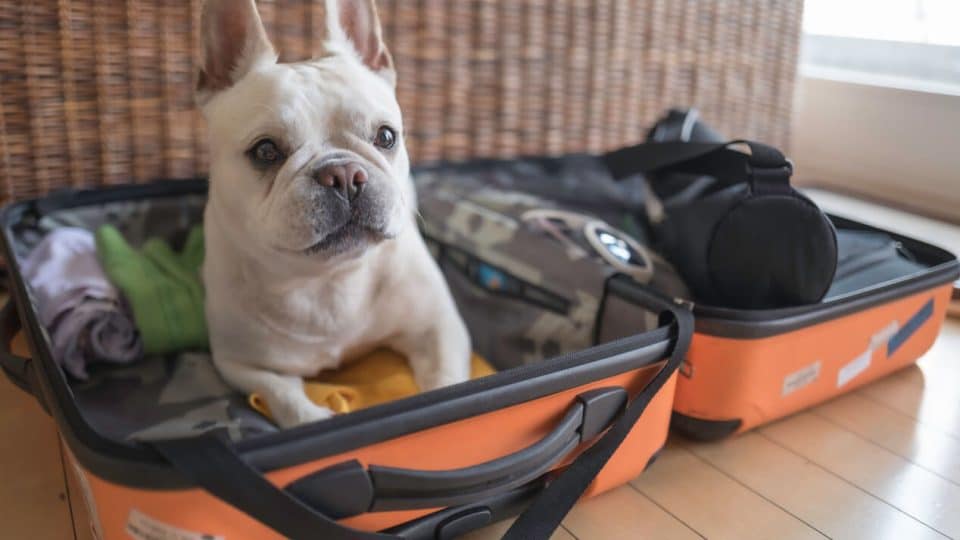
According to Bennett, dogs are really good at understanding cues that suggest you’re going on a trip. This may cause anxiety for some dogs, though this generally depends on their personality and history of boarding.
However, if your dog has boarded before and had a good time, they may get excited when you pack, Bennett points out. “If you choose a great boarding facility or pet sitter, your dog is likely going to have just as much fun as you do on your vacation.”
If you don’t know how your dog will react when you get out the suitcases, you may want to shut the door before you get started!
Will my dog be homesick?
It’s normal for some dogs to miss their people a little at first. That said, some dogs may have a great time boarding and playing with new dogs, especially if they’ve successfully boarded or visited a pet sitter before.
Even if they have never boarded, Bennett says many dogs adjust quickly—especially when they realise they get extra playtime, new friends, and lots of attention. They might even enjoy their own time away from home!
How do I reduce my dog’s stress during boarding?
Officially dropping your dog off at a boarding facility or a pet sitter’s home can be a big moment for both of you. Bennett recommends doing a trial day and night to give your dog a chance to adjust to their new environment. A trial stay will also help the facility staff or pet sitter get to know your dog. Then, when you get to departure day, that goodbye may feel more routine and less stressful!