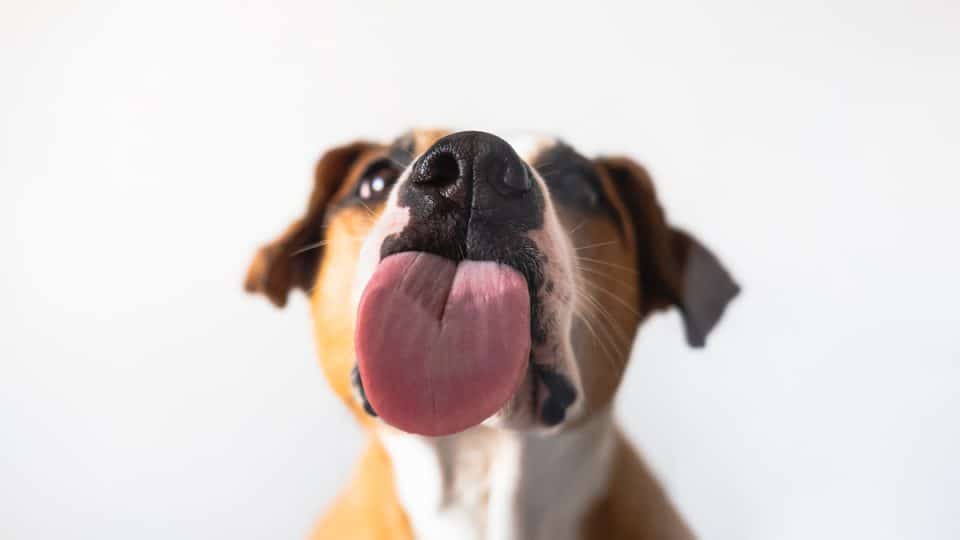
Lick mats are widely popular, mainly because they offer mental enrichment that can promote dental health, reduce anxiety, and address behavioural issues. We’ve had a lot of luck with them ourselves—but what does the science say? Can they really do everything they claim to? And what should you actually be putting on your dog’s lick mat?
We took a look at some of the most popular lick mats on the market and consulted Dr Krista A. Sirois, DVM, to find out if lick mats are worth it—and what you should really be using them for.
What Are Dog Lick Mats?
Typically made of TPR rubber or silicone, lick mats come in various shapes and sizes. Their textured surfaces hold spreadable food in place, making your pup work a little harder for their treat or dinner.
The most straightforward models look like the Hyper Pet IQ lick mats. These standard lick pads each have four quadrants that hold peanut butter or any preferred treat securely. The “Soother” style has a tighter pattern, while the “Reward” offers a deeper texture. At eight inches square, they’re made of food-grade rubber, clean up quickly in the sink (or dishwasher), and can be frozen or microwaved. Grippy silicone tends to keep them in place, but for especially enthusiastic lickers, there are mats with suction cups.
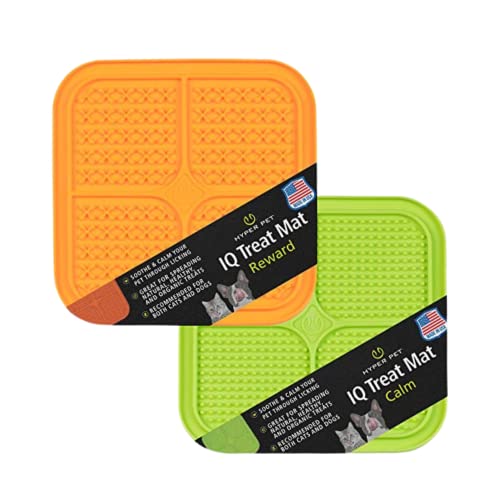
The Hyper Pet IQ mats are a good example of a standard lick mat.
Bowl-style lick mats are made for messy eaters and pet parents who want to feed chunkier food, like wet dog food. The LickiMat Wobble, for example, keeps food in one place and offers a challenge: since it doesn’t sit flat, your dog will have to work a little harder to get all of the goodies inside—combining the challenge of a lick mat and the joy of a puzzle toy. (Pro tip: You can also flip them inside out, spread food on the outer texture, and freeze them for a reverse dome challenge.)
Then there are wall-lick mats, such as the Aquapaw Suction Cup Lick Pad, designed to adhere to vertical surfaces, such as the shower or the side of the tub, to make bath time and grooming easier. They can also be used during car rides, vet visits, and other typically stressful situations. While the Aquapaw mat is on the slightly smaller end, it still provides a challenge.
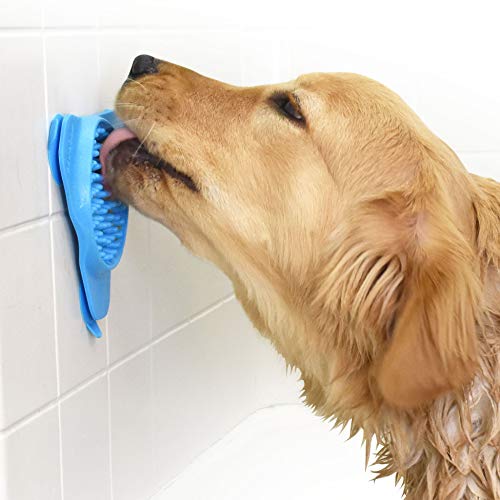
The Aquapaw wall lick mat is meant to make bath time easier.
Benefits of Lick Mats for Dogs
Some pet parents use lick mats as an alternative to a feeding bowl because they encourage slower eating, promote better digestion, and reduce the risk of a speed-eater finishing their meal as quickly as they ate it.
Lick mats have also been purported to be great for dental health, since they can stimulate your pet’s tongue and increase saliva production, which then helps clean the tongue, teeth, and gums. Dr Sirois of Paz Veterinary in Austin, Texas, advises pet parents not to skip brushing, noting that lick mats can help with oral health but shouldn’t be the only thing keeping your dog’s teeth clean. “If a dog nibbles on the mat, there will be some friction primarily on the front teeth, but not on the side and back teeth, which is where it’s needed most,” she says.
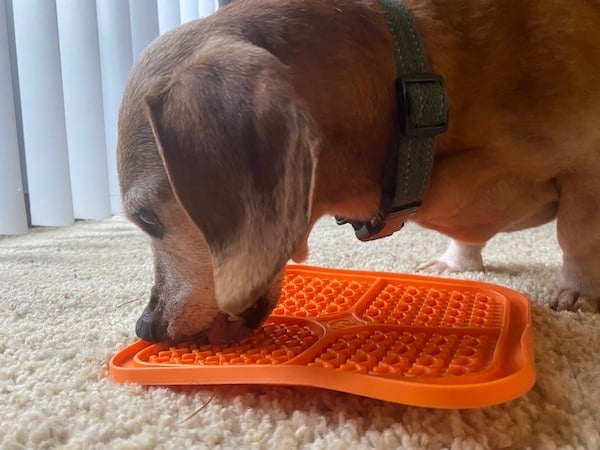
Rover test pup Oscar cleans his front teeth in pursuit of peanut butter.
Lick mats also receive significant press as anxiety-relieving tools. Licking is said to have a self-soothing effect that releases dopamine in your dog’s brain, ultimately calming them down in stressful situations. Dr Sirois doesn’t think licking is inherently soothing, but she does believe the textured mats provide a strong distraction, which is helpful in situations where a dog might be anxious.
Finally, lick mats are often recommended to address boredom-related behaviour issues, as they provide mental stimulation. “Any item that is curious or interesting to a dog is a form of mental stimulation,” says Dr Sirois, “and lick mats require them to think a little bit about how to best get the food out of those crevices.” She continues by noting that, since lick mats can distract dogs from scary and stressful situations, they can be a helpful tool in a comprehensive behavioural treatment plan.
What the Experts Say About Dog Lick Mats
Dr Sirois recommends using lick mats as a distraction during anxiety-inducing events such as vet visits, storms, bath time, grooming, or when visitors arrive—essentially, anything that may cause your dog stress.
While anything spreadable and non-toxic to dogs can be put on the lick mat—think dog-safe peanut butter, squeezy cheese, baby food, tinned dog food, yoghurt, and so on—Dr. Sirois advises matching the food with the occasion. “If you’re using the lick mat to distract from a stressful situation, you’ll want to use something more exciting for your dog,” she says. “For just keeping them stimulated and busy at home, less exciting options may work great.”
Using a lick mat can also help determine your dog’s threshold in certain situations. “If your dog is unwilling to eat from a lick mat covered in very high-value treats, that’s an indicator that their stress level is high,” says Dr Sirois.
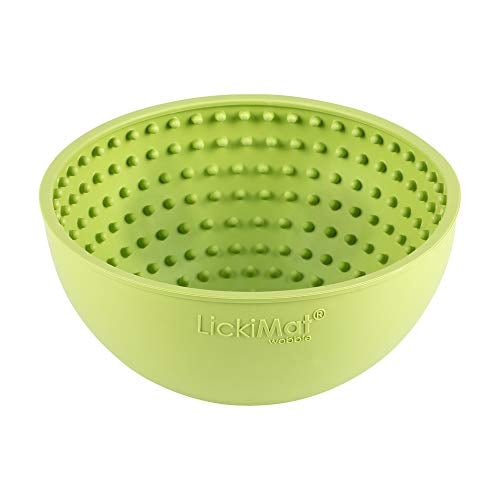
The bowl-style lick mats are popular for slowing speed eaters.
When opting for lick mat spreads, she also recommends using lower-fat, lower-calorie foods when possible. Most importantly, keep an eye on your pet so they don’t tear up the pad or eat pieces of it. “Always give your pets lick mats under supervision,” she says.
Do You Need a Dog Lick Mat?
While lick mats might not have the super teeth-cleaning and soothing powers their biggest fans claim, they can still be instrumental in management and training plans. In particular, we think they’re a good fit for:
- Energetic dogs who need a calmer activity to bring their arousal down after a walk or hike
- Anxious dogs who could benefit from the added distraction around a trigger
- Typical high-stress situations like thunderstorms, vet visits, bath time, and grooming
- Fast gobblers (goblins?) who need help slowing down during mealtime
Dog lick mats, however, might not be the best enrichment choice for some pups, including:
- Super chewers and dogs prone to destruction
- Dogs easily frustrated by food puzzles
- Puppies and their shark-like chompers
- Dogs who aren’t food motivated or don’t enjoy licking their meals/treats
And a word to the wise. As Dr Sirois pointed out earlier, it’s essential to keep track of the extra calories that lick mat fillers can add to your pup’s daily intake. While dog peanut butters and other high-value fillers are great as occasional treats, lower-calorie options like pumpkin and apple sauce are better for everyday use, especially if your dog uses their lick mat a lot.
How We Chose Our Dog Lick Mats
The lick mats featured here were selected based on our hands-on testing, a comprehensive review of customer reviews across a wide range of retail platforms, and interviews with veterinary experts, including Rover’s Dog People Panel. We selected these lick mats based on their durability, texture, and versatility. We’re also guided by our experience living and playing alongside our much-loved, strongly opinionated pets, who are never stingy with their feedback.