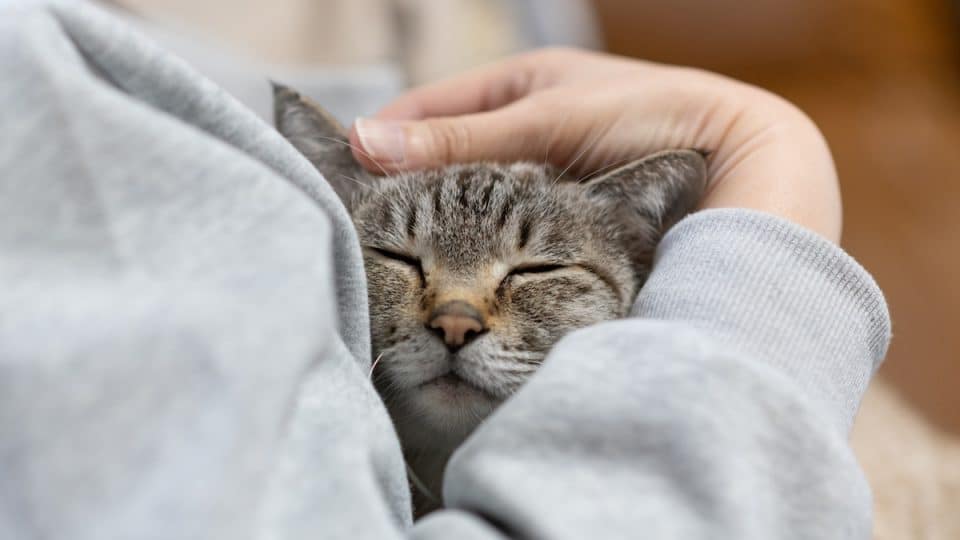
When life pulls you away from home, finding dependable cat care is a top priority. Whether you’re travelling for work, enjoying a vacation, or facing unexpected obligations, a reliable cat sitter makes sure your cat is well-fed, has a clean litter box, and gets all the affection and playtime they need. They may also handle grooming or medications, depending on your cat’s needs.
There are a lot of good cat sitters out there—but how do you know who to trust? And what type of care makes the most sense for your situation?

This guide will help you navigate the options, identify qualified caregivers, and ask the right questions. Our goal is to connect you with a trustworthy cat sitter who cares for your pet as deeply as you do.
What Kind of Cat Sitter Do I Need?
You’ll run into two main types of cat care: house sitting, where the sitter stays at your home, and drop-in visits, where the sitter comes by at scheduled times. It’s worth noting that devices like automatic feeders, water fountains, and self-cleaning litter boxes can help bridge the gap between drop-ins. However, these tools should never replace a sitter.

iStock/Magui-rfajardo
| Service | Drop-In Visit | House Sitting |
| Definition | Pet sitter visits your home once or twice a day to check on your cat | Pet sitter stays overnight in your home to care for your cat |
| Standard services | Feeding, litter box maintenance, medication administration if necessary, and brief playtime | All drop-in services plus continuous companionship and monitoring |
| Add-ons | For an extra fee, some sitters will extend their stay; others may provide services like grooming or baths | Some house-sitters also tend to household tasks, such as collecting mail, watering plants, and light cleaning |
| Cost | More affordable | Usually more expensive |
| Best for | Healthy, independent cats who are comfortable being alone and cats who prefer limited contact with unfamiliar people | Senior cats, kittens, and cats with health issues who need closer monitoring |
| Avoid for | Cats who need more interaction or medical attention | Shy cats who are stressed by the presence of a new person in their home |
Can I board my cat?
In some circumstances, boarding a cat can be a safe option, particularly for senior cats and kitties with severe medical conditions. However, most cats prefer the familiarity of home and will find a boarding facility too stressful. Unless your cat is exceedingly social or needs round-the-clock care, in-home sitting is usually preferred.
When boarding is necessary, Dr. Victoria Carmella, veterinary advisor for Pet Honesty, recommends choosing a cat-specific facility or one that has a quiet, dedicated area just for cats.
How To Find a Cat Sitter
Finding the right cat sitter doesn’t have to be stressful—there are plenty of resources available. Start by exploring platforms like Rover and Meowtel, which let you browse profiles, read reviews, and filter your search for specific services like overnight care or medication administration. These platforms conduct background checks and offer insurance for peace of mind. Sites like Care.com and TrustedHousesitters are also worth visiting.
Don’t forget to tap into your local community, too. You can ask friends and family for recommendations, or check with neighbours on community sites like NextDoor. Your veterinarian is another excellent resource. Many employ staff who offer pet-sitting services.
Finally, you can check professional organisations like the National Association for Pet Sitters & Dog Walkers (NARPS UK). This group lists certified members who’ve undergone training and background checks.

iStock/Chalabala
Qualifications, Licensing, and Background Checks
While professional qualifications aren’t necessary for every situation, they can offer a degree of assurance for pet parents. Look for qualifications from boards such as City and Guilds or iPET Network. These certifications demonstrate that the sitter has met industry standards and is committed to ongoing education in cat care.
Certifications in pet CPR and first aid are significant bonuses, especially for cats with medical conditions. A background check is another good idea, particularly with sitters entering your home. Additionally, Dr. Carmella says to make sure pet sitters are insured and bonded.
| Provider | Qualifications |
| Drop-in visits to your home |
|
| House sitting in your home |
|
| Cat boarding |
|
Reading Reviews Strategically
As you sift through sitter profiles, look carefully at the reviews—they contain valuable insights into whether a sitter aligns with your needs. Here’s what to zero in on.
1. Look for shared philosophies on cat care
Pay attention to reviews highlighting the sitter’s understanding of feline behaviour and care. Check for comments that demonstrate the sitter’s grasp of pet consent, boundaries, proper handling techniques, and feline body language. Look for mentions of using positive reinforcement and providing feline enrichment or play.
2. Look for similar situations
It helps to find reviews that reflect your specific needs. For example, consider whether you need care for an extended trip or daily drop-ins with playtime. Perhaps your cat has a fiddly feeding routine or needs regular medications or injections. Reviews that highlight the sitter’s experience with similar situations can offer reassurance.
3. Look for cats similar to yours
Focus on reviews by people with pets similar to yours—whether you have a high-energy kitten, a senior cat needing daily medications, or a cat prone to anxiety. This helps ensure the sitter is well-equipped to meet your cat’s unique needs.
4. Look for additional certifications
Check if the sitter has any relevant certifications, such as an iPET or City & Guilds qualification. Additional health certifications, like pet CPR, are a bonus. While these credentials aren’t a requirement for good care, they do show a commitment to pet care knowledge and professionalism.
-

iStock/Chalabala
Meetings and Trial Runs
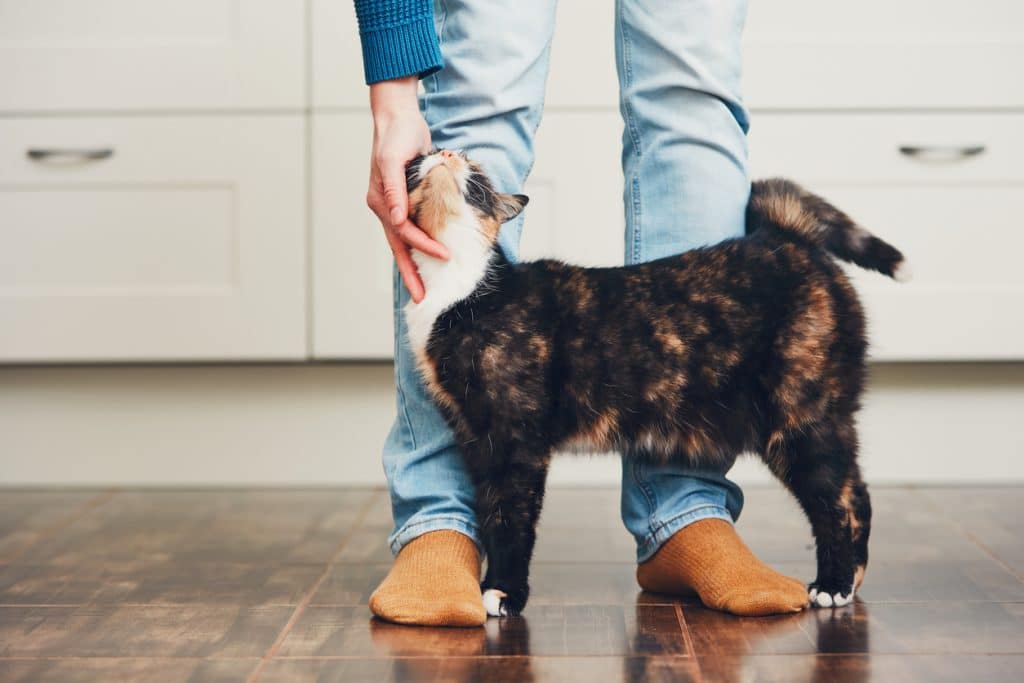
Setting up a meet-and-greet in your home is a key part of the hiring process. This initial encounter allows both you and the sitter to gauge if you’re a good fit.
During the meeting, pay close attention to how the sitter interacts with your cat. Are they respectful of your cat’s space? Or do they seem unaware of your cat’s comfort? This is your chance to observe their knowledge of feline behaviour and care. A good sitter should be engaging, open to questions, and genuinely interested in your pet’s well-being.
Questions to ask
Don’t hesitate to ask questions during the interview process. A responsible sitter will be happy to answer them.
Some areas to inquire about include:
- Professional experience. How much experience do you have with cat sitting? Have you cared for cats with special needs? Are you able to give medicine or accommodate health issues? Do you recognise signs of feline stress or illness?
- The sitter’s routine. What will a typical visit look like? Do you include services like feeding, litter box cleaning, and playtime?
- Communication methods. How will you update me about my cat? Will you send photos or messages?
- Emergency preparedness. What would you do in a medical emergency? Are you comfortable taking my cat to the vet if needed? Do you have a backup plan in case you can’t make it?
- Insurance. Are you insured and bonded?
- References & certifications. Can you provide references from previous clients? Do you have any relevant training or professional certifications?
Red & green flags
As you vet potential sitters, watch for signs they’re a dependable hire. Look for green flags like relevant experience, glowing references, and any professional certifications. During your first meeting, pay attention to how attentive they are to your cat’s specific needs. “A great pet sitter will ask thoughtful questions about your cat’s routine, preferences, and care needs,” notes Dr. Carmella.
On the flip side, if a sitter seems disinterested in learning about your cat’s care or provides vague answers about their experience, Carmella says it’s a sign to look elsewhere. Lack of communication during the hiring process and a one-size-fits-all approach are also warning signs that they may not be the right fit.

iStock/Wirestock
Setting Expectations
Providing your sitter with detailed information about your cat’s care ensures everyone is on the same page. Below are key points to include when writing care instructions for your cat.
Writing care instructions for your cat
Start by providing a detailed list of your cat’s needs. You might include:
- Feeding guidelines. Specify how much and when to feed your cat. Include any special instructions, such as heating up wet food.
- Litter box care. Show your sitter where the litter box and supplies are located. Explain how often it should be cleaned. If you use an automatic litter box, leave detailed maintenance instructions.
- Medication needs. If your cat takes any meds, outline the dosage, timing, and how it should be given.
- Personal preferences. Share your cat’s favourite toys and activities, and mention any quirks when it comes to handling, sleeping arrangements, or interaction preferences.
Writing care instructions for the house
Make things easy for your sitter by writing down where to find supplies like food, litter, and cleaning materials. If a sitter needs access to your home, provide a key or door code in advance, along with clear instructions for entry. Remember, cat sitting often involves light housekeeping tasks like collecting mail, watering plants, or turning on lights to give your home a lived-in feel. If your sitter offers these services, write down any necessary details they’ll need.
Establishing communication preferences
Set up a communication plan that works for you. Decide how often you’d like updates and whether you prefer texts, photos, or both.
Don’t forget to share important contact information, such as veterinarian details, emergency numbers, and your own contact info for any questions that may arise.
Establishing visit expectations
Finally, specify how many visits per day you need, how long each visit should last, and any specific activities you’d like your sitter to engage in with your cat. This helps your cat get the attention and care they deserve.
