- This post contains affiliate links. Read more here.
- Not a substitute for professional veterinary help.
Modern pets live in a human-centric world that can sometimes be difficult to navigate. Teaching your dog essential cues like “sit,” “stay,” and “come” helps keep them safe—and better able to adapt and thrive in daily life. It’s also a great way to build communication and strengthen your bond.
In this guide, we’ll explore 12 basic dog cues and what they can help you with. We’ll also share expert tips to troubleshoot the issues you might come across in your training journey.

Essential Cues
Before you set your cues, there’s the question of training method. Using positive-reinforcement is the best approach, says Lynn Brown, a certified dog trainer and behavior consultant in the Bay Area. “Science tells us that when behaviors are rewarded, they are likely to increase in frequency,” she notes. “This, in turn, helps solve the problem of ‘how do I get my dog to stop doing XYZ?'”
With R+ methods and techniques in your toolkit, here are six fundamental dog cues that every pup should know.
Name
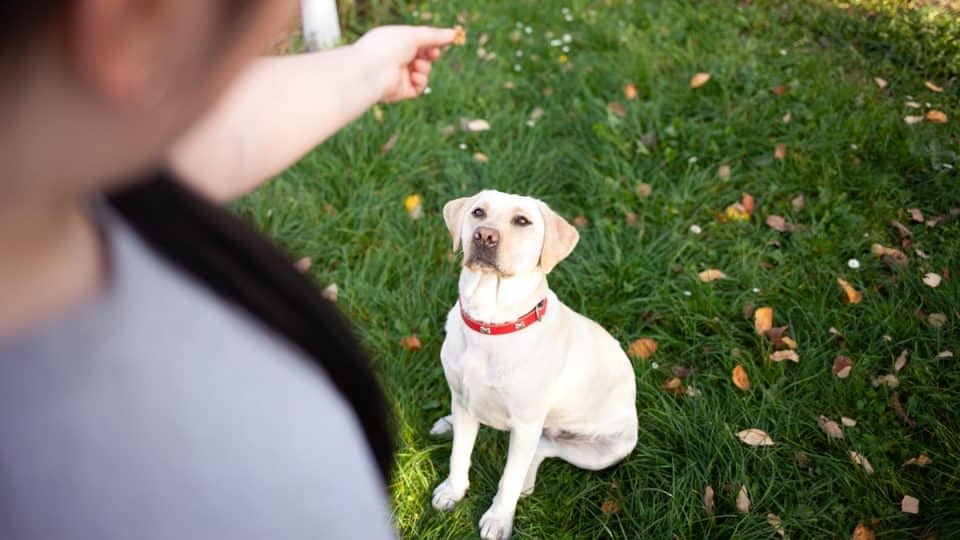
Teaching your dog their name is one of the first things to work on with a new pup. It’s the best way to get your dog to respond to you when you need their attention. It’s also the first step in building a strong recall.
It might take a month or more for a dog to fully recognize their name and respond without treat reinforcement, says Yvonne Feeney, a certified dog trainer at Anything Is Pawzible.
Once your dog really knows their name, they’ll engage with you by turning their head toward you, making eye contact, and coming to find you.
Go potty
Teaching your dog to potty on cue is convenient for the days you’re pressed for time, or the weather is less than ideal. This dog cue also offers predictability, which can come in handy when you’re traveling or are in new environments with your pup. You’ll know your dog has generalized this skill when they’re able to potty on cue in other areas besides your backyard.
While this cue is useful, it’s important to still let your dog “be a dog” whenever you can. Allow them the luxury to sniff and find their own ideal potty spot, especially on walks.
Touch
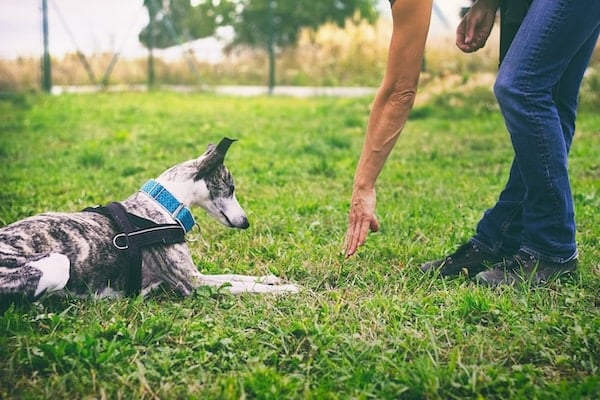
More than just a cute boop, teaching your dog to touch their nose to your hand is a surprisingly useful behavior for various situations. You can use it to bring your dog closer to you, like a recall. You can use it to keep them by your side while you walk to practice loose-leash manners. And you can even use it to provide predictability when greeting new people—the uses are many!
Sit
A “sit” is one of the easier training cues, since dogs tend to naturally do it on their own. Though simple, it’s a good cue to have on hand to help reduce unwanted habits like jumping on guests.
When teaching a sit, there are several methods to choose from, including capturing, luring, or shaping. Just make sure you mark the sit when your dog’s rear end touches the ground, so they don’t think that hovering is the preferred behavior.
Lie down
There are also several ways to teach a dog to lie down, since this is another natural behavior. Whether you teach your dog to get in the position from a sit or a play bow, or just capture it when they do it on their own, this skill is helpful to have on cue.
Getting your dog’s body closer to the ground can help lower their heart rate, calm them down, and encourage them to settle. It can also set the stage for a “down stay,” which can keep your dog from moving into dangerous situations.
Place
Place training involves asking your dog to move to a designated spot. This cue can help your canine companion settle down when visitors arrive and keep curious noses out of the kitchen during food prep. Your dog’s age and attention span impact how long it will take for them to learn this cue. But once they’ve picked it up, they’ll know it’s time to relax in their safe space.
Zbynek Pospisil via iStock
Safety Cues
Safety cues are critical in keeping our pups out of harm’s way. “The top cues that I teach and find most important are cues that help control and manage space,” says Brown. “Learning these behaviors can prevent things like your dog running out of the front door or eating something they shouldn’t. They can also move fearful or reactive dogs out of a situation before they feel trapped.”
Below are six dog training cues that are great tools for life’s unexpected moments.
Gotcha
Practicing a collar or harness grab is an excellent management skill. By conditioning your dog to the action and putting it on cue, a “gotcha” offers predictability in otherwise unpredictable instances. Think: when you need to quickly move your dog away—like when a cyclist appears out of nowhere or an off-leash dog comes running up to you.
Drop it
A “drop it” cue can help keep your dog safe if they have something dangerous in their mouth. You’ll need to build the cue, starting with lower value items and slowly working your way up to having your dog reliably drop more enticing things.
A good way to practice this cue is by incorporating it into play. For instance, have your dog drop a tennis ball on cue before throwing it again and continuing your game of fetch.
Leave it
Even better, teach your dog to leave things alone to prevent them from putting harmful or unwanted items in their mouths in the first place. Just like a “drop it,” a strong “leave it” will take some time and practice, starting with less enticing objects first and building your way up.
Stay
“Cues like ‘stay’ are essential as they support impulse control and boundaries,” says Feeney. For instance, having your dog stay put can prevent them from running into the street or darting off in busy places. As your dog becomes more confident, try practicing in noisier environments or asking them to “stay” for longer durations.
Come
“Recall is one of the most important pieces of training,” says Brown. Whether you live in a rural town with plenty of space or a bustling urban city, being able to call your dog to you at a moment’s notice can keep them from straying too far or engaging in a dangerous situation.
Brown recommends using a happy, upbeat, ear-catching verbal cue so that your dog will see “come” as enticing and welcoming. “It can also be a fun way to involve your kids in training, creating a healthy and productive way to play with their dog,” she adds.
Heel
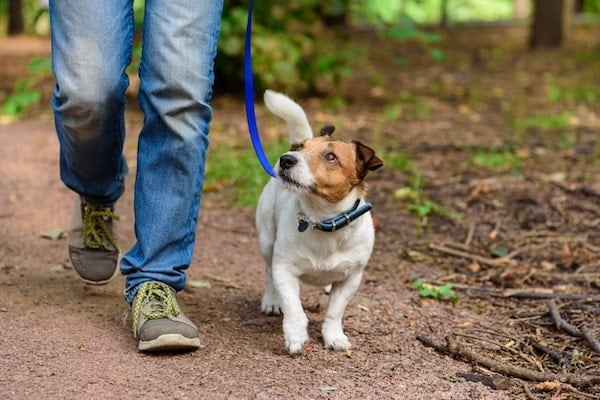
While giving your dog agency on walks and letting them zig-zag around to get the good sniffs provides an enriching experience, sometimes you need to keep them by your side. That’s where a “heel” cue comes in.
This cue is perfect for the times when you need to keep your dog close, like when passing other people or dogs, or when moving through a busy area.
alexei_tm via iStock
Troubleshooting
“When training, we might think that if we reward a word enough times, the dog should understand what it means,” says Brown. “Often, if a dog is being stubborn or not listening, it’s helpful to back up and determine if the cue was really taught in a way that the dog can understand.”
If you’re having trouble getting your dog to learn new cues, Brown says to consider the three Ds:
- Distance. How close in proximity are you to your dog? “If you’re standing too far away, for example, your dog may not respond to recall,” says Brown.
- Duration. How long are you asking the dog to participate in training sessions? Quick five-minute sessions throughout the day often work better than demanding your dog’s attention for too long.
- Distraction. Are your surroundings too busy? For instance, if your dog is distracted by other people or pets at the park, this may not be the best location for training.
“You may also need to increase the value of the reward and break the cue into smaller, more manageable steps to improve understanding and set them up for success,” adds Feeney.
Checking for signs of pain is also a must. A dog who hovers rather than sits might be experiencing joint pain or hip dysplasia, for example. If you believe your dog is experiencing discomfort, talk to your vet.
And finally, if you’re stuck, consider working with a certified dog trainer for a fresh perspective and a personalized training plan for your unique pup!