- This post contains affiliate links. Read more here.
- Not a substitute for professional veterinary help.
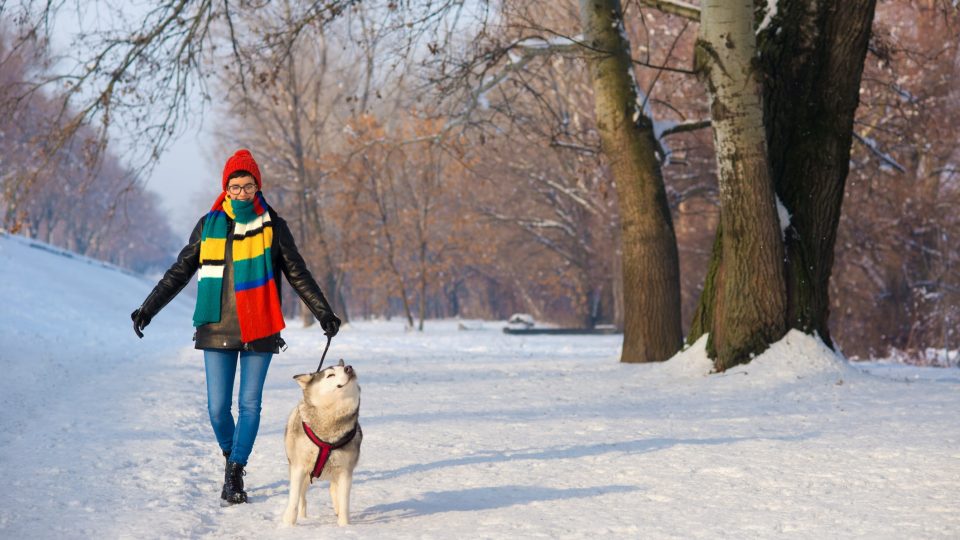
When the world is freezing and grey, it can take a lot of courage to get your dog out for their daily walks. But winter outings also offer some great opportunities for wonder and exercise—if you can find a way to make them fun.
That’s why January is National Walk Your Dog Month: to encourage pet parents to fight the cold and find their joy in outings alongside their pups. It was launched in response to the rise in canine obesity and to promote exercise for both dogs and their humans.

To help you and your dog find the joy in your January outings, we’re offering our best tips and tricks for keeping the outdoors fun. Renee Rhoades, Applied Animal Behaviorist and the founder of R+Dogs, offers her advice.
1. Change Up Your Routine
Changing up your routine is a great way to add color to your walks—for both you and your dog.
“When your dog is going to the same places every time, this can make the smells more boring and your dog is more likely to find other things to pay attention to,” says Rhoades. “For dogs who struggle with the environment, this may lead to more reactivity, pulling, and uncomfortable walks.”
To switch things up, consider driving to a new location, like a park, a riverwalk, a beach, or dog-friendly market. Looking for a bit of nature you and your dog can have all to yourselves? Check out a Sniffspot, where you and your pup can wander to your heart’s content.
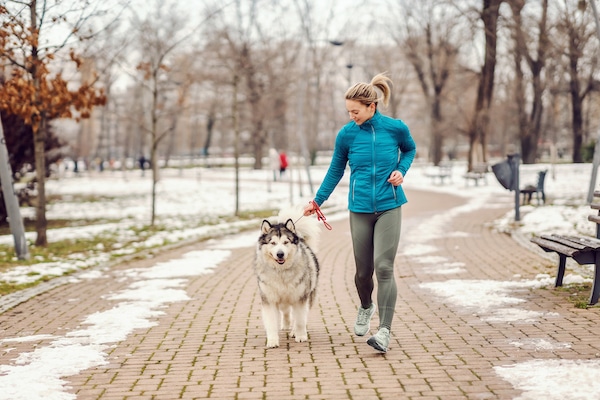
dusanpetkovic via iStock
2. Get The Gear You’ve Always Wanted
Sometimes good gear can be all it takes to transform a slog around the block into a great winter outing. Consider upgrading your supplies in a way you think is exciting, whether that means doubling down on safety, comfort, or style. Here are some of our favorites.
Light-up and reflective gear
One of the hardest things about winter dog walks is getting outside during limited daylight hours. Depending on where you live, good light-up gear might put night walks back on the table. Rechargeable LED collars are waterproof and come in a variety of dazzling colors, and leashes like the Illumiseen add even more visibility. We’ve also been known to enjoy a good headlamp.
Hands-free waist leash
An upgrade for leisurely walkers and athletes alike, a hands-free leash allows you to sip a cup of coffee or run with your dog. Bungee cords are built-in to absorb pulling or changes in pace. If you have multiple dogs to walk, give a double-dog leash a try.
Dog coat
It’s extra hard to walk your dog when they don’t really want to go out in the cold either. For some pups, especially short-coated breeds, small breeds, and seniors, an extra layer of warmth can make a big difference. A fleece jacket provides warmth without overheating, and on wet days, a waterproof rain jacket can keep your pup comfortable.
Hand warmers
Your dog isn’t the only one who might feel better about walks if they weren’t freezing. When the temperature drops, hand warmers tucked in your pocket can help. These come in a variety of types, from disposable heat packs to rechargeable electric warmers.

Oscar the Rover test pup models a glowing red collar.
3. Reinforce Walking Manners
For some pet parents, having a project or a goal can make walks fly by. Use winter outings to reinforce leash manners and practice loose-leash walking. Get in the habit of carrying a treat pouch, and reward your dog when they’re walking calmly by your side.
Need some help? Consider bringing a virtual trainer with you to work out the finer points of your walking game.
Don’t get too focused on walking perfectly all the time, though. Rhoades reminds pet parents that your dog will get the most out of engaging with the environment—so balance training with sniffs.
4. Track Your Progress
If motivation is low, consider a fitness tracker so you can feel good about all the miles you’re logging. You can even get your dog in on the fun with their own dog-specific activity tracker.
These dog Fitbits can monitor everything from steps walked and resting heart rate to scratching patterns and water intake. Some models let you compare your dog’s activity with others nearby, while others focus on GPS tracking and safety.
Whether your aim is weight loss for your dog or a quieter home, progress tracking can help keep you inspired, even on rough days.
5. Bring a Friend (People and Dogs)
The winter months can mean less social time for people and dogs. Asking friends—dog and human—to come along on a walk is good for both you and your pup. It can reduce feelings of loneliness or isolation for both of you, and it keeps your pup’s social skills strong.
Short on dog friends? Consider taking a winter class with your pup at a local dog gym to find some walking buddies, or head to your local dog park to seek out pups with a similar play style.
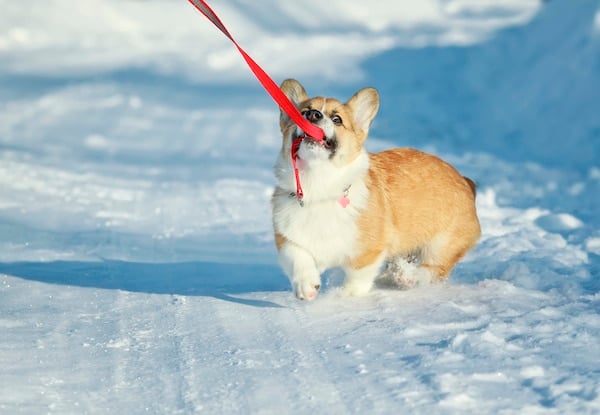
Nataba via iStock
6. Learn New Skills
Your dog isn’t the only one who can learn new tricks—try using the time outdoors to practice new skills, like photography. Whether it’s a frosty landscape or a snapshot of your dog frolicking in the snow, taking photographs can help give you a fresh perspective.
Or maybe you’re craving more intense exercise. Start a running regimen with your pup, or try some winter dog sports like skijoring or canicross.
During your pup’s sniff breaks, put your headphones in and try learning a new language, or find an audiobook on a subject you’ve always wanted to know more about. The possibilities are endless—but no matter what, don’t forget to enjoy the time with your pup.
“Winter walks can be fun when you focus on the enjoyment that you can bring to these walks,” says Rhoades. “For instance, if you want to play in the snow with your dog, this might be fun for both of you and an enjoyable, memorable event. It’s also really nice for you to take in the visual scenery while your dog takes in the olfactory scenery, allowing them to sniff and dig.”
7. Get Help When You Need It
Some days, getting out the door with your dog might not be in the cards. That’s where Rover can help. Find a dog walker in your neighborhood to get your pup the care and exercise they need, so you can do what you need to and get back out there rested and ready to go.