- Not a substitute for professional veterinary help.
The holidays are a time for festive cheer and delicious food, but they can also present hidden dangers for pets. From sweet pumpkin pie to savory stuffing, many seasonal favorites contain ingredients that are toxic to dogs and cats.
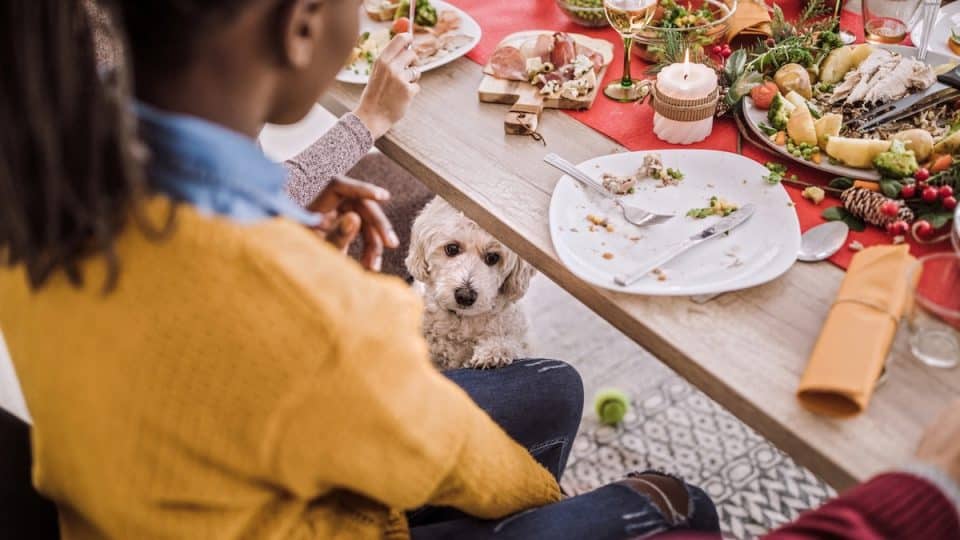
According to Dr. Jordan Beauchamp, DVM, the hustle and bustle of holiday celebrations increases the chances of your pet sneaking a bite of something harmful. “If you’re hosting a gathering in your home, there’s definitely a higher risk of exposure to toxic foods. You might be diligent in not sharing scraps with your pet, but guests aren’t always as knowledgeable.”
Dr. Rebecca Greenstein agrees: “Pets can’t metabolize fats, dairy, and other nutrients and foods the way we can, and sometimes what pet owners think of as innocent table scraps can land their pets in the hospital with severe illness.”
Fortunately, a few simple precautions go a long way toward keeping your pets safe. We review which popular holiday foods are toxic, which are safe to share, and how to pet-proof the holiday table.
Holiday Food Safety Checklist
- Make sure food is inaccessible. “Dogs and cats can get up higher than you might think when they are determined, and during big events, we are often distracted,” Dr. Beauchamp cautions.
- Create a pet-proof area outside of the kitchen and dining room. Consider confining pets to a designated area of the home, equipped with fresh food, water, toys, and a comfortable place to lounge.
- Keep food waste secure. Keep garbage and compost in a securely closed bin or in a room your pet can’t access.
- Be mindful of baked goods. Chocolate and artificial sweeteners, such as xylitol, can wreak havoc on a pet’s digestive tract.
- Keep a careful eye on bones. “In addition to damaging the pet’s mouth and throat, once a bone is cooked, it can splinter and cause trauma and lacerations to the intestines,” warns Dr. Beauchamp.
- Avoid sharing fatty foods. Fried foods and dishes high in fat can upset your pet’s stomach and cause organ inflammation.
- Get on the same page with guests about feeding pets. If you’re hosting a holiday event or bringing your dog into another home, let others know you prefer to stick to sharing doggie treats.
- Increase supervision. You might not catch your pet eating something—so it’s extra important to keep a close eye on them to monitor for symptoms of gastrointestinal upset.
- Make pet-friendly treats. Your furry friends can still get in on the fun with pet-friendly treats that utilize safe holiday foods, like this sweet potato casserole for dogs and this pumpkin no-spice latte for cats!

Toxic Holiday Foods for Dogs and Cats
“Although every pet parent considers their dog or cat to be a member of the family, remember that dogs are not simply small people, and cats are not simply small dogs,” says Dr. Greenstein, adding that it’s always worthwhile to know what your pet’s digestive system can and cannot handle.
From raisins to onions, many unassuming ingredients commonly found in holiday dishes pose a health hazard to your four-legged friend. Keep the festivities jolly by ensuring your pet doesn’t ingest the below holiday fare.
| Food | Health Hazards |
| Alcohol |
Skip sharing spirits of any kind with your pets. Alcohol can cause vomiting, diarrhea, and breathing issues. In severe cases, it can be fatal.
|
| Apple Pie |
While a bit of fresh or baked apple is okay in moderation, apple pie is chock-full of sugar and spices that can damage a dog’s or cat’s digestive tract.
|
| Bones |
Your dog might enjoy gnawing on a hearty dog bone, but avoid sharing cooked bones from your plate. These are a major choking hazard and can cause digestive problems and internal injuries. |
| Bread Dough |
If your pet snatches a morsel of raw bread dough, contact your vet or an emergency clinic. Yeasted dough can cause the stomach to twist and/or bloat, and may even lead to alcohol poisoning as it ferments.
|
| Brussels Sprouts |
While plain, cooked Brussels sprouts don’t pose a danger to dogs and cats, this raw vegetable can be difficult to digest and become a choking hazard.
|
| Candy |
In addition to being a choking hazard, many candies contain xylitol, which can lead to serious health problems such as heart and liver failure when consumed by pets. |
| Chocolate |
Chocolate is never good for pets, and its danger depends on quantity, size, and age. “If they react to it, it’s usually pretty profound and can cause respiratory depression and neurological side effects,” explains Dr. Beauchamp.
|
| Corn on the Cob | Though it won’t harm your pet to munch on a few corn kernels, a cob of corn is less digestible, and it can lead to blockage or obstruction of the intestines. |
| Cranberry Sauce |
Fresh cranberries are okay for cats and dogs in moderation, but consuming sugary cranberry sauce can lead to vomiting and diarrhea. Even sugar-free versions, often including xylitol, pose a serious risk.
|
| Eggnog |
The dairy, sugar, and spices in eggnog make it a human-friendly treat only. When alcohol is added, it poses an even larger risk to pets.
|
| Garlic |
The disulfides and thiosulfates in garlic are toxic to cats and dogs, causing damage to red blood cells. Keep both raw garlic and foods with garlic as an ingredient out of prying paws.
|
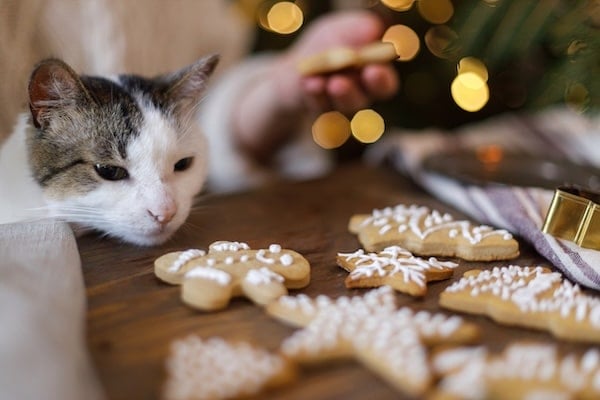
| Gingerbread | The nutmeg, sugars, and fat in your gingerbread house can be enough to warrant a trip to the vet if your pet decides to nibble at it. |
| Grapes/Raisins |
“If your pet ingests grapes or raisins, it may take 12 to 24 hours for any symptoms to appear, but some animals are extremely sensitive,” says Dr. Beauchamp. “You might have a dog that has no issue with these foods, and another that eats half a raisin and starts to go into kidney failure.”
|
| Gravy |
High sodium levels, fats, and toxic ingredients such as garlic and onion make gravy a human-only food. Want a substitute? Try pet-safe food toppers.
|
| Green Bean Casserole | Green beans are dog-safe, but green bean casserole has toxic ingredients like onion and garlic, and it’s high in salt and fats that can be problematic for both dogs and cats. |
| Holiday Ham |
Holiday ham can be difficult on a dog’s or cat’s digestive system and pancreas due to sodium, fat, and toxic seasonings.
|
| Holiday Turkey |
While unseasoned turkey scraps without skin can be shared with pets in moderation, a holiday turkey can cause an upset stomach due to fats and spices. The bones are also a choking hazard.
|
| Mac and Cheese |
This comfort food can cause your pet uncomfortable side effects, such as diarrhea, gas, and stomach pain due to dairy, fats, and added preservatives. |
| Nuts |
Walnuts, pecans, macadamia nuts, almonds, and other nuts can cause vomiting, diarrhea, and even pancreatitis in pets.
|
|
These plants found in the allium family are extremely toxic to pets. “These foods lead to anemia because they cause red blood cells to break down,” says Dr. Beauchamp.
|
|
| Stuffing |
Most stuffing recipes include garlic and onions, which have organosulfur compounds that damage red blood cells. The salt and fats in stuffing can also lead to pancreatitis and gastrointestinal issues in pets.
|
| Sweet Potato Casserole |
While cats and dogs can enjoy plain sweet potatoes in moderation, sweet potato casserole is a no-go due to high levels of dairy, sugar, and toxic seasonings. Try a dog-friendly version.
|
| Trimmings |
Side dishes containing high levels of fat, salt, and spice can be harmful to pets.
|
| Nutmeg |
Nutmeg contains a compound called myristicin, which is toxic to pets. Ingesting nutmeg can cause gastrointestinal distress, elevated blood pressure, and an increased heart rate.
|
| Mashed Potatoes |
A small taste of plain mashed potatoes is generally safe for pets, but recipes that include milk, cream, butter, salt, onions, or garlic can cause digestive upset.
|
| Pecan Pie |
It’s vital to keep pecan pie out of curious paws’ reach due to the high fat content and dangerous sugars that can cause gastrointestinal issues.
|
| Pumpkin Pie |
What if you think your pet ingested something they shouldn’t?
Accidents happen! If you suspect your pet has ingested a toxic food, it’s important to act quickly. Even if you didn’t witness your dog or cat sneaking a bite of something from the dinner table, don’t hesitate to seek medical care if your pet starts exhibiting the following symptoms:
- Vomiting
- Diarrhea
- Lethargy
- Tremors or seizures
- Trouble breathing
- Excessive drooling
- Change of gum color
To ensure you’re prepared in the event of an emergency, have a vet plan at the ready. Keep your primary vet’s contact information on hand, along with the nearest 24-hour emergency clinic (especially if your regular clinic is not open during the holidays).
If you believe your pet has eaten something toxic, call a trusted hotline even if they aren’t displaying symptoms:
Best Holiday Food Safety Practices for Pets
A little preparation can help keep your holiday celebrations festive, fun, and free of an unexpected vet visit. Follow these food safety tips to help your pets stay healthy all season long.
Keep human food out of reach
During the holidays, it can be hard to secure all food—so during busy cooking and meal times, consider securing your pets instead. Use a leash, or set up a relaxing dog-proofed space to keep your dog temporarily away from the action.
It can be harder to keep food away from counter-climbing cats, so a closed door is your first line of defense. Plus, some cats might prefer a cozy space away from the party.
Where separation isn’t feasible, focus on securing dishes with sturdy lids. “If a dish has toxic ingredients in it, always keep it covered,” says Dr. Beauchamp. She adds that covering a dish in aluminum foil isn’t foolproof. “Pets will chew right through this. My own dog has done it!”
Secure food scraps and take out trash
As your garbage fills with table scraps, it may pique your pets’ interest. To keep wishful whiskers out of the trash, make sure food scraps are disposed of in a secure, pet-proof garbage can. Choose a bin that’s sturdy enough to resist dumpster-diving, and consider tossing especially dangerous food waste into a sealed bag in the garage or an outdoor bin for extra safety.
Get on the same page with guests about feeding pets
It might seem harmless when your relatives dote on your pets and offer them table scraps, but this small act has the potential to be hazardous.
Gently remind guests that you prefer to keep human food away from your pets, and consider taking extra time to explain the danger to kids. You can also provide approved pet-safe treats for those who want to share the wealth.
Bogdan Kurylo via iStock
Pet-Safe Holiday Foods
Some common holiday foods may be okay to share with your furry friends in moderation. Before offering a taste, make sure the food is plain and unseasoned, with minimal added fats, sodium, or sugars.
| Food | Serving safety notes |
| Apples | Remove the core, stem, and seeds when letting your dog or cat nibble on a bit of plain apple. |
| Applesauce | Plain, unsweetened applesauce is a safe snack for canines, though their feline counterparts should avoid it! |
| Bone Broth | Since bone broth is mostly water, it promotes hydration for your furry friends. Choose pet-safe broth free of salt, onions, and garlic. |
| Collard Greens | As long as the stems are removed, it’s perfectly fine to offer your pet a nibble of cooked, unseasoned collard greens. |
| Cornbread | As long as there are no added sugars or xylitol, a small bite of cornbread can make a tasty treat for both cats and dogs. |
| Cranberries | Plain, unsweetened cranberries are a fun snack for pets in small quantities. It’s crucial to avoid sharing cranberries with added sugars and sweeteners. |
| Green Beans | While green bean casserole is toxic to pets, plain, cooked green beans offer a good source of vitamins. |
| Okra | Plain, cooked okra is chock-full of fiber and vitamins. Prepare this small snack for your pet by roasting, boiling, or steaming okra without any seasonings. |
| Mashed Potatoes (Unseasoned) | Though deliciously prepared mashed potatoes pose a danger to your pet due to added salt, garlic, onion, and cream, a plain and unseasoned version is okay to let them sample. |
| Pumpkin | Cooked pumpkin puree can be a great seasonal treat for your pup or kitty. Avoid sharing pumpkin pie, pumpkin-flavored baked goods, or puree with added sugars. |
| Sweet Potatoes (Plain) | While sharing sweet potato in casserole form is a no-go, a little bit of plain sweet potato without added sugars can provide your pet with fiber and vitamins. |
| Turkey (Unseasoned) | Plain turkey is the perfect snack for pets. “Cats in particular are obligate carnivores, so they should only get meat, technically,” says Dr. Beauchamp. “Make sure it is completely unseasoned and not cooked in oil.” |
| Yams | Yams are safe to share with your pet in moderation as long as they are cooked until soft and free of seasonings. |
Holiday Treats To Make for Your Pets
“As pet parents, we love involving our pet in the festivities, and there are plenty of safe homemade recipes for dog and cat treats,” says Dr. Beauchamp. Pet-friendly recipes give your dog or cat a holiday feast of their own—without the worry of added toxic ingredients. Your pet can still join in the fun with special DIY treats just for them.
Treats for dogs:
- Hearty Sweet Potato Casserole for Dogs
- Homemade Pumpkin Pie Dog Treats
- The Turdoggen: A Gloriously Stuffed Butternut Squash for Dogs
- Leftover Turkey Meatballs for Dogs
- 5-Minute Holiday Eggnog for Dogs
- Gravy Meal Topper for Dogs
- Homemade Christmas Cookies for Dogs
- No-Bake Snowball Treats for Dogs
- Cranberry Coconut Shortbread Cookies for Dogs
- Gingerbread Treats for Dogs
- Gingerbread House for Dogs
Treats for cats: